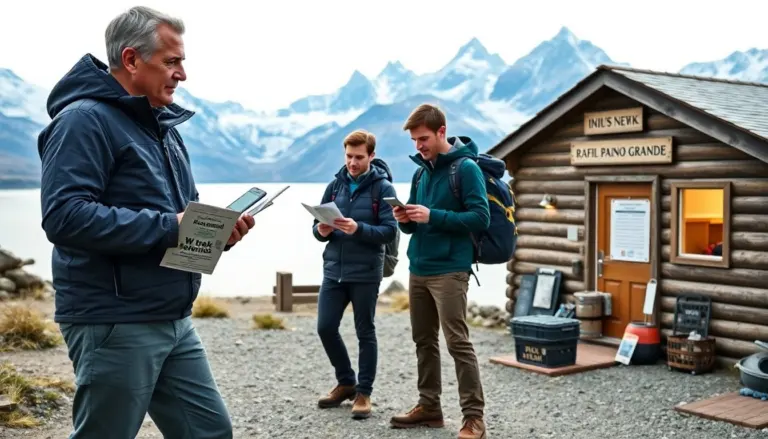
Teen volunteer abroad offers teens an early chance to learn skills and grow. Families look for safe programs that fit goals and budgets. Counselors seek evidence of impact and safety. This guide lists types of programs, safety checks, cost options, and practical steps. Readers will get clear steps to choose a program that fits the teen’s age, interests, and college goals. Below are concrete considerations, red flags to watch for, and practical checklists that parents and teens can use when comparing programs and preparing for a meaningful placement.
Key Takeaways
- Teen volunteer abroad programs help teens develop independence, leadership skills, and empathy while enhancing college applications with real-world experience.
- Families should choose safe, accredited programs that align with the teen’s interests, include clear safety policies, and have strong local community partnerships.
- Programs vary from education and conservation to health and community development, offering diverse opportunities to match teens’ skills and goals.
- Parents must ensure all legal, health, and travel requirements are met, including visas, vaccinations, and insurance for a secure volunteer experience.
- Costs differ by program length and location, but scholarships and fundraising can help make teen volunteer abroad opportunities more affordable.
- Preparing teens with cultural readiness, practical skills, and clear communication plans maximizes the impact and safety of their volunteer abroad experience.
Why Teen Volunteering Abroad Matters For Growth And College Applications
Teen volunteer abroad helps a teen build independence and empathy. The experience shows colleges that the teen acted on interests outside school. Teen volunteer abroad can supply concrete examples for essays and interviews. The activity gives the teen leadership chances in real settings. Admissions officers often value sustained commitment and measurable results. Teen volunteer abroad can also guide career choices. The program can teach skills such as teaching, conservation, and basic health work. These skills translate to stronger application materials and clearer career intent. Beyond admissions, teens often return with practical soft skills—problem solving in unfamiliar contexts, cross‑cultural communication, resilience when plans change, and reflective practice—that schools and employers increasingly value. Describeable outcomes (hours, roles, projects completed) and a portfolio of work or references from local supervisors strengthen any application or resume.
Types Of Programs And Typical Volunteer Activities
Teen volunteer abroad programs fall into several clear categories. Educational programs place teens in classrooms to tutor and support local teachers; common tasks include after‑school tutoring, literacy camps, and lesson‑planning under supervision. Conservation programs place teens in fieldwork to plant trees, monitor wildlife, and restore habitats, often paired with training on data collection and species ID. Health and public‑health programs place teens in clinics to assist with outreach and education, focusing on awareness campaigns, basic hygiene workshops, and community surveys rather than clinical procedures. Community development programs place teens in projects such as building wells, repairing schools, and supporting small businesses through vocational training or microenterprise support. Service‑learning trips pair volunteer work with classroom study and reflection, using structured debriefs and journals to turn tasks into learning. Virtual volunteer options let a teen start from home before travel, offering remote tutoring, translation, or research that complements an on‑site placement. When choosing among types, consider age‑appropriate roles, the balance of hands‑on work versus observation, and whether the project offers measurable benefits for the local community.
How To Choose A Safe, High‑Impact Program
A parent should check safety records, staff training, and local partnerships. A family should confirm legal permissions, age limits, and background checks. A good program should list measurable outcomes and community partners. A family should prefer programs that work under local leadership. A teen should pick projects that match skills and interests. A reviewer should seek third‑party reviews and accreditation when possible. A clear contract should list duties, supervision ratios, and emergency plans. A program should allow exit or refund if safety concerns arise. Practical steps include asking for written copies of safeguarding policies, names and qualifications of in‑country staff, sample daily schedules, and references from previous teen participants and local partner organizations. Red flags include vague descriptions of work, refusal to provide references, insistence on cash payments without receipts, and placements that require unsupervised work with vulnerable people. Good programs will also provide predeparture orientation, on‑site training, regular check‑ins, and a clear chain of communication for emergencies.
Safety, Legal, And Health Considerations For Teens Abroad
A parent should confirm passport and visa rules for the teen. A guardian should secure travel insurance that covers medical evacuation. A program must share a risk assessment and crisis plan. A program should provide local staff and clear supervision ratios. A teen should get required vaccines and a pretravel medical check. A family should plan for medication, allergies, and dietary needs. A teen should get training on local laws, gender norms, and acceptable conduct. A parent should register the teen with the embassy when required. Also verify consent and guardianship documentation if the teen will travel without a parent, and ensure the program understands any legal limits on minors performing certain tasks (for example, no unsupervised medical care). Create a health folder with prescriptions, an emergency contact list, copies of travel documents, and instructions for managing chronic conditions. Discuss digital safety and device use—how to share location, protect personal data, and behave respectfully when posting about host communities.
Program Quality, Ethics, And Measuring Community Impact
A family should ask how the program measures results. A program should share baseline data and follow‑up reports. A program should avoid unpaid clinical work that could harm locals. A good program should hire local staff and pay fair wages. A program should plan work that local communities request and lead. A teen should check for transparency about budgets and outcomes. A reviewer should prefer programs that include local voices in planning and evaluation. A program should offer reflection activities that help the teen learn. Look for examples of sustained community benefits—skills transfer, improved facilities, or local employment—rather than one‑off tasks that create dependency. Questions to ask providers include: how are local priorities assessed? Who benefits from the work? Are there plans for long‑term maintenance? Ethical programs will document community consent, explain how volunteers fit into wider plans, and show evidence that projects would continue without short‑term volunteer labor.
Costs, Funding Options, And Scholarships For Teen Volunteers
Costs for teen volunteer abroad vary by country, length, and services. A short home‑stay trip costs less than a long placement with housing and staff. A family should compare what the fee covers: food, transport, insurance, and staff. A family should ask about hidden costs and departure fees. A teen can apply for need‑based scholarships from NGOs and program providers. A teen can fundraise through school, community events, or online campaigns. A family can explore grants from youth foundations and local civic groups. A program should state refund and cancellation policies clearly. Practical fundraising ideas include bake sales, sponsored challenges (walks, bike rides), grant applications to local civic organizations, and crowd‑funding with a clear project description and budget. When evaluating value, compare included supervision levels, local partnerships, predeparture training, and post‑placement reporting; the cheapest option is not always the most ethical or safe.
Preparing Your Teen: Practical Skills, Packing List, And Cultural Readiness
A family should teach basic first aid and communication skills before travel. A teen should practice local language phrases and simple greetings. A packing list should include a durable backpack, copies of documents, and a small first‑aid kit. A teen should pack clothing that respects local norms and a day bag for site visits. A teen should learn to manage money and basic budgeting. A family should review cultural do’s and don’ts and role‑play common situations. A teen should set realistic goals for the placement and agree on check‑ins with parents and program staff. Also plan for quiet time and mental health—teens may face homesickness or culture shock—so include a plan for regular debriefs, journaling prompts, and contact methods with a trusted adult. Skills practice might include leading a short lesson, conducting a community survey, or doing a mock emergency scenario so the teen arrives confident, practical, and ready to turn volunteer work into meaningful learning.