W trek refugios offer hikers shelter, meals, and logistics on the W route in Torres del Paine. This guide explains why hikers choose refugios, where main refugios sit on the trail, how to book, and what facilities and sleeping options to expect. It gives clear, practical steps for hikers who plan a multi-day trek and want to rely on refugios for safety and comfort. Below you will find detailed, actionable information on itinerary planning, packing, alternatives to refugios, and common on-trail scenarios so you can decide whether relying on w trek refugios matches your goals and experience level.
Key Takeaways
- W trek refugios provide essential shelter, meals, and logistics that lighten hikers’ packs and enhance safety on the W route in Torres del Paine.
- Main refugios like Paine Grande, Grey, and Central shelters are strategically located to align with daily hiking stages, facilitating a 3 to 5-day trek.
- Advance booking of refugios and park entrance permits is crucial, especially from November to March, to secure accommodations and avoid delays.
- Refugio Paine Grande acts as a central hub offering meal services, warm water, and resupply opportunities, easing access to key trail sections.
- Facilities include shared bunk beds, communal bathrooms, and set meals with options for private rooms, while hikers should bring a sleeping liner and towel for comfort.
- Using refugios reduces planning stress and risk, allowing hikers to focus on walking and enjoy social and emergency support during their trek.
Why Choose Refugios On The W Trek?
Refugios give hikers a predictable base on each stage of the W trek refugios network. They cut pack weight because hikers carry fewer food and sleeping items. They provide hot meals, water, and emergency support when weather turns bad. They let groups and solo hikers meet guides, share route updates, and book park transport. They also reduce daily planning: hikers book a bed and focus on walking. Many hikers choose refugios to save time, reduce risk, and enjoy a steady place to rest after long glacier and ridge sections.
Beyond convenience, refugios offer practical benefits for varying skill levels. For new multi-day hikers, a refugio simplifies logistics (fixed sleeping, predictable meals, and staff support), which shortens the learning curve for backcountry travel. For experienced hikers, refugios provide a social hub: shared meals are useful for exchanging local conditions and timing ferry crossings. Refugios also act as safety anchors — staff can coordinate evacuations and advise when weather or trail conditions demand changes — so they are especially valuable during the shoulder and winter seasons when conditions are less stable.
When deciding whether to use refugios, weigh cost, solitude, and itinerary flexibility. Refugios cost more than camping but save time and equipment. If you prioritize quiet and independence, camping is a good alternative; if you prefer structured days, meal service, and lighter packs, refugios are the better choice. Consider hybrid plans too: combine refugios on the busiest nights (Paine Grande, Grey, Central) and camp on quieter stretches to balance budget and comfort.
Overview Of The Main Refugios And Where They Sit On The Route
The W route has several key refugios spaced to match daily stages. The main refugios include Paine Grande, Grey, and the Central area shelters near Las Torres. Each refugio fits a common day plan: lake crossings and valley approaches end at Paine Grande: glacier views and moraine trails lead to Grey: steep ascents toward the towers lead to central shelters. Hikers can link these refugios to cover the W in three to five days. The park map and refuge schedules determine exact camping and bed options for each night.
Typical placement and day-stage logic: – Refugio Paine Grande: located on the south shore of Lake Pehoé, it is usually the overnight after the Pudeto boat crossing or the endpoint for the French Valley day. It functions as a logistical hub for resupply and boat timetables. – Refugio Grey: set near the trail to Grey Glacier, it is the common stop for people who want a full glacier viewpoint day and an easier push or shorter day toward Paine Grande. – Central refugios (near Las Torres and the towers base): these are the last stage for many itineraries aiming at the iconic tower viewpoint and are useful for east-to-west and west-to-east routing.
Because the W trek has many unofficial staging options (smaller refugios, campsites, and day shelters), you can tailor nights to match fitness and daylight. For example, a 4-day plan frequently used by refugio users is: Day 1 — Pudeto to Paine Grande; Day 2 — Paine Grande to Grey and back or to Paine Grande; Day 3 — Paine Grande to Central (through the French Valley or via the eastern route); Day 4 — Central to Torres viewpoint and exit. Adjustments depend on ferry times, weather delays, and personal pace.
Refugio Paine Grande — Location, Access, And Highlights
Refugio Paine Grande sits on the shore of Lake Pehoé. Hikers reach it by trail from the park entrance and by the Pehoé boat crossing from Pudeto. The site serves as a hub for west-to-east or east-to-west itineraries. It offers clear views of the Cuernos and short access to the French Valley trail. The refuge supplies warm meals and hot water. The location shortens the crossing to Grey and provides a common resupply point for hikers who carry minimal food.
Key practical notes about Paine Grande: – Access and timing: boat timetables from Pudeto dictate common arrival and departure windows; plan your day to match a crossing to avoid long waits. – Services: meal packages are usually available (breakfast, packed lunch, dinner) and can be purchased with a bed. Some basic snacks, beverages, and limited supplies are sold at the refugio store, useful if you intentionally travel light. – Trail connections: from Paine Grande you can day-hike up to the French Valley viewpoint or continue toward Grey Glacier; both are popular day options that return to the refugio if you prefer a single overnight base. – Alternatives nearby: if Paine Grande is full, check smaller nearby refugios or campsites and consider a short extra hike to secure a bed or tent spot.
Booking, Permits, And Best Time To Reserve A Spot
W trek refugios require advance booking in high season. Hikers must reserve beds directly with park-approved operators or through third-party booking sites. The park also requires an entrance pass for Torres del Paine: hikers should buy it before arrival. The best time to reserve a spot is three to six months before travel for peak season (November to March). If hikers travel in shoulder months, they can often find last-minute openings but should still confirm reservations and transport in advance to avoid long waits at trailheads.
Practical booking tips: – Book early for contiguous nights: securing consecutive nights in the same refugio network (Paine Grande → Grey → Central) prevents forced reroutes and long ferry waits. – Meal reservations: many refugios only serve set meals to guests who pre-book them; if you arrive without a meal reservation you may have limited options. – Cancellation windows and changes: check the operator’s cancellation policy and the park’s refund rules; weather-related changes are common, so understand how flexible your booking is. – Park permits: the Torres del Paine entrance pass is separate from refugio bookings. Buy the pass in advance where required and keep proof of purchase available during your hike.
Timing strategy: – High season (Nov–Mar): book 3–6 months ahead. Weekends, holidays, and Southern Hemisphere summer weeks fill fastest. – Shoulder season (Oct, Apr): book 6–8 weeks ahead for good options; bring warmer gear. – Off-season (May–Sep): refugios may have reduced service; confirm availability and staff presence before relying on a bed.
What To Expect: Facilities, Meals, And Sleeping Arrangements
Refugios vary in size and service level. Most provide bunk beds in shared dormitories, communal bathrooms, and a dining room. Some offer private rooms or small cabins at a higher price. Refugios serve two or three set meals per day: hikers must book meals with the bed reservation or bring food for gaps. Refugios supply hot water and basic kitchen access at some sites. Electricity and Wi‑Fi appear at larger refugios but can be limited. Hikers should carry a lightweight sleeping liner and a small towel even when beds include blankets. Staff manage waste and water, and they keep a simple first‑aid kit for emergencies.
More details on what each item means on the trail: – Sleeping: expect bunk-style dormitories with thin mattresses and communal bedding; a sleeping liner or silk liner improves hygiene and warmth. Private rooms exist but are limited and more expensive. – Bathrooms and showers: many refugios offer shared flush or basic toilet facilities; hot showers may be available for a fee or included with certain room types. In colder months, hot water availability can be limited—confirm with staff. – Meals: meal plans are normally plated group meals (starter, main, dessert) served at set times. Vegetarian options are often available if requested. Bringing snacks, energy bars, and a lightweight dinner option is wise for long hiking days or for dietary restrictions. – Gear and drying: refugios commonly provide drying areas where you can hang wet clothes; consider a small line or straps to speed up drying. Lockers or luggage storage may be limited—keep valuables with you. – Power and connectivity: electricity may be limited to common areas or charging stations with a small fee; don’t rely on Wi‑Fi for navigation or emergencies. – Medical and emergency: staff can render basic first aid and contact park services; however, severe incidents require coordinated evacuation, so carry a personal first-aid kit and consider a satellite communicator in remote or bad-weather seasons.
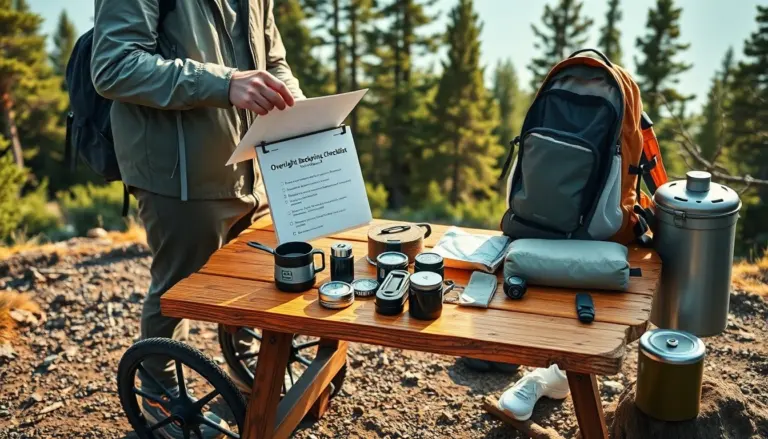
Final packing checklist for refugio users: – Lightweight sleeping liner and small towel – Comfortable daytime trekking kit and a warm midlayer for evenings at the refugio – Waterproof shell, warm hat, and gloves (weather changes fast) – Small personal hygiene kit, quick-dry towel, and toiletries – Headlamp (for dorms and late-night trips to the bathroom) – Snacks, electrolytes, and allergy-specific food if needed – Small padlock for lockers/bag security and a dry bag for electronics – Printed or digital confirmations for refugio bookings and park pass
Using refugios on the W route simplifies many planning elements and lets you enjoy the trail with fewer heavy items. With the information above on placement, booking, and what to expect, you should be able to choose whether w trek refugios fit your itinerary and comfort needs, and to prepare appropriately for a safe, enjoyable trek.