They search for guatemalan food recipes to bring bold, homey flavors into their kitchen. This article lists core ingredients, simple tools, and three authentic recipes. It shows clear steps and practical tips. It helps them cook with confidence and save time.
Key Takeaways
- Guatemalan food recipes offer a balanced blend of spice, fresh ingredients, and slow-cooked depth inspired by Mayan and Spanish influences.
- Essential ingredients like corn tortillas, masa harina, dried chiles, and fresh herbs allow home cooks to recreate authentic flavors with simple tools.
- Starting with classic recipes such as a main stew, hearty soup, and simple dessert builds confidence and introduces core cooking techniques.
- Toasting chiles and seeds enhances aroma and flavor, while substitutions like smoked paprika and ancho chiles keep recipes accessible.
- Serving Guatemalan dishes with rice, corn tortillas, and curtido-style sides enriches the meal experience and highlights traditional pairings.
- Preparing sauces ahead and finishing proteins the same day maximizes flavor and allows leftovers to develop deeper taste over time.
Why Guatemalan Food Deserves A Spot In Your Kitchen
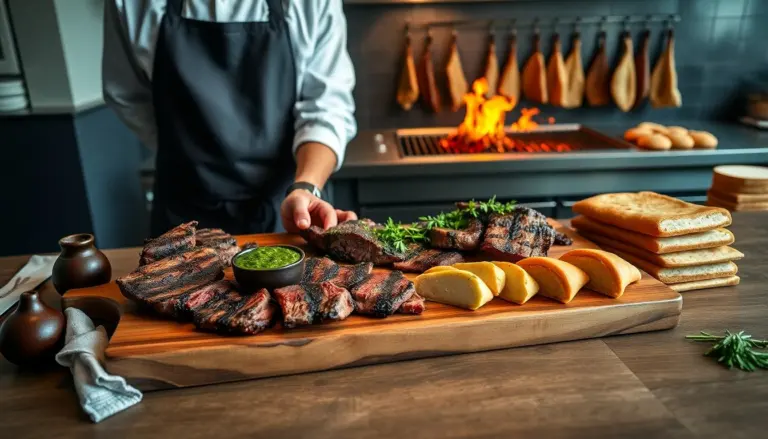
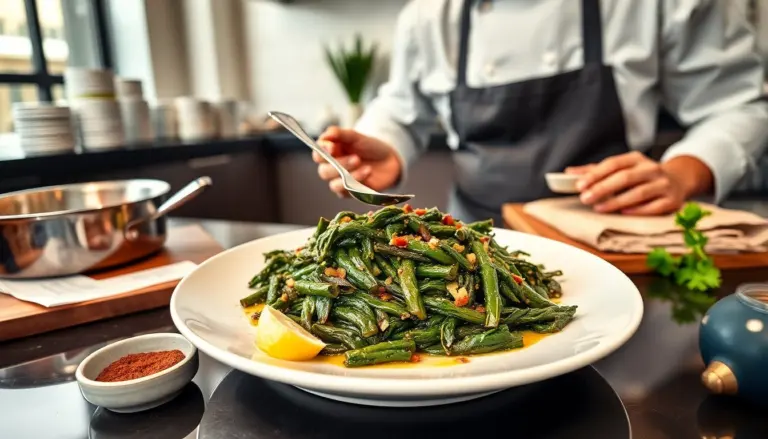
Guatemalan food recipes show a balance of spice, fresh ingredients, and slow-cooked depth. The cuisine blends Mayan techniques, Spanish influence, and local produce. It focuses on corn, chiles, squash, beans, and fresh herbs. These elements produce layered, satisfying meals. Home cooks gain variety without complex techniques. They can use modest tools and affordable staples. The dishes travel well from weeknight dinner to a small dinner party. Learning a few recipes gives cooks reliable new weeknight options and a strong weekend showpiece.
Beyond flavor, Guatemalan cooking emphasizes texture and contrast: soft masa-based items, crisp pickles or slaws, and rich, saucy mains. Staples such as tamales, guisados (stews), and pepián-style dishes combine roasted or toasted aromatics with simmered proteins and vegetables. This makes the cuisine adaptable — you can swap proteins or scale spice levels without losing the character that makes these guatemalan food recipes memorable.
Finally, many recipes are built around techniques that reward repetition. Mastering one basic chile sauce, a masa dough, and a simple braising method opens dozens of authentic variations. That efficiency is why guatemalan food recipes are both approachable for curious cooks and satisfying for anyone who values ingredient-driven, homey food.
Essential Ingredients, Spices, And Kitchen Tools For Guatemalan Cooking
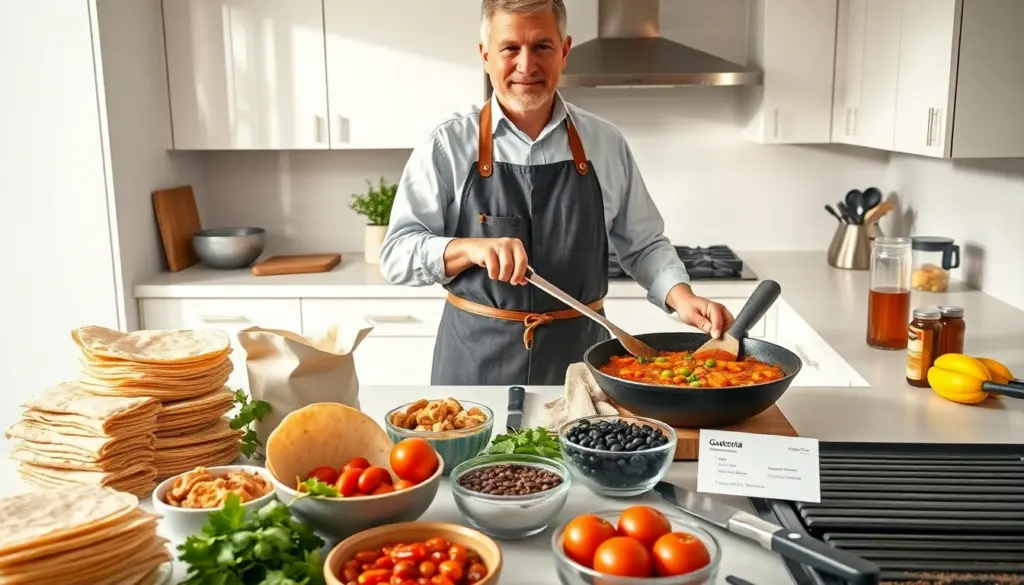
Every pantry for guatemalan food recipes should include corn tortillas, masa harina, and rice. Add dried guajillo or pasilla chiles, achiote (annatto), cumin, and oregano. Keep canned tomatoes, tomatillos, and chicken or turkey stock on hand. Store black beans and red beans for soups and sides. For herbs, keep cilantro and fresh thyme where possible. Tools stay simple: a heavy pot, blender or molcajete, and a good knife. A griddle or cast-iron skillet helps with tortillas and searing. These items let cooks recreate classic flavors with minimal shopping or exotic sourcing.
Breakdown of pantry essentials you’ll use often in guatemalan food recipes:
- Corn products: masa harina for tamales, tortillas, and atol; fresh or dried corn if available for tamalitos and soups.
- Dried chiles: guajillo, pasilla, ancho — each gives different heat and fruitiness; keep one or two varieties plus a neutral chile for heat control.
- Spices & aromatics: cumin, oregano (preferably Mexican oregano if you can find it), achiote paste or seeds for color and a mild earthy flavor, plus garlic and onion.
- Beans & grains: split peas, black beans, white rice; these form the backbone of many daily meals.
- Acids & condiments: fresh lime, vinegar for curtido-style slaws, and pickled onions to brighten rich stews.
Recommended kitchen tools for home cooks preparing guatemalan food recipes:
- Heavy Dutch oven or pot for braising and soups.
- Molcajete or blender for grinding toasted seeds and chiles into sauces.
- Comal or flat griddle for toasting tortillas and chiles, and for searing proteins.
- Fine-mesh strainer for smooth sauces and stocks.
Classic Recipes To Start With
This section presents three starter recipes for guatemalan food recipes. Each recipe uses common pantry items and clear steps. Cooks will find a main stew, a hearty soup, and a simple dessert. The instructions focus on flavor building and straightforward technique. They avoid long lists of hard-to-find items. Each dish offers a chance to practice key steps: toasting chiles, simmering stocks, and working with plantain dough. These recipes scale for two to six people.
Suggested starter recipes (brief outlines):
- Pepián-style chicken stew — a richly spiced, slightly nutty tomato-and-chile sauce simmered with browned chicken pieces. Key steps: toast chiles and seeds, blend to a smooth salsa, brown the meat, then simmer until tender. Serve with rice and warm corn tortillas.
- Kak’ik-inspired turkey or chicken soup — a clear, aromatic broth with roasted tomatoes and chiles, shredded poultry, and fresh herbs. Key steps: roast aromatics, simmer a flavor-forward stock, adjust acidity with lime, and finish with cilantro and sliced onion.
- Plátanos en dulce or simple plantain-based dessert — ripe plantains cooked with a lightly spiced syrup; offers a gentle finish after savory guatemalan food recipes. Key steps: caramelize a small sugar base, add cinnamon and orange zest, simmer plantains until tender, and serve warm with cream or plain yogurt.
For each of these guatemalan food recipes, focus on three technique goals: proper toasting without burning, balancing acid and heat, and resting dishes so flavors meld. These practices yield reliable results whether you’re cooking for two or scaling up for guests.
Tips For Authentic Flavor, Substitutions, And Serving Suggestions
To make authentic results, toast seeds and chiles before blending. Toasting improves aroma and deepens flavor in guatemalan food recipes. If achiote proves hard to find, use a small pinch of smoked paprika and a dash of turmeric. For chiles, swap dried ancho or New Mexico chiles if needed. Use turkey or chicken stock to add body to stews and soups. Serve guatemalan dishes with rice, corn tortillas, curtido-style slaw, or pickled onions. For timing, prepare sauces ahead and finish proteins the same day. Leftovers often taste better the next day as flavors blend.
Practical substitution and technique tips:
- Chiles: rehydrate in hot water for 15–20 minutes, then strain the soaking liquid into sauces for extra depth.
- Achiote: if you only have annatto seeds, bloom them in warm oil and then strain; the oil carries color and a mild flavor into sauces.
- Masa and tortillas: if fresh masa is unavailable, use masa harina rehydrated according to the package and rest the dough 10–15 minutes before shaping.
- Thickening stews: grind a small amount of toasted sesame or pumpkin seeds for a traditional nutty thickener rather than relying on flour.
Serving and presentation ideas to highlight guatemalan food recipes:
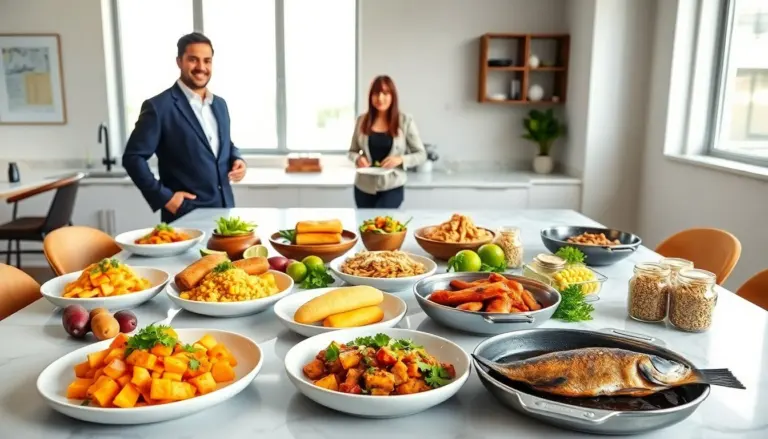
- Build a simple spread: a central stew or soup, a bowl of warm corn tortillas or rice, and two or three bright sides (curtido, pickled onions, fresh sliced radishes).
- Adjust spice at the table: offer chopped fresh chiles, lime wedges, and a mild crema or yogurt for cooling contrast.
- Make components ahead: prepare chiles and sauces a day in advance, store in the refrigerator, and reheat gently to allow flavors to marry before serving.
With these expanded notes on ingredients, tools, recipes, and serving, you’ll find guatemalan food recipes both approachable and rewarding. Start with one sauce and one masa-based item, and you’ll quickly have a small repertoire of dependable, delicious dishes.