Planning a trek and wondering what to eat along the way? For adventure travel food and culture, eat regional dishes tied to your route, shop at local markets, and learn host etiquette before you arrive.
That is the short version. The rest of this guide sorts the choices by what you are trying to do on the route: eat well while trekking, learn a cuisine hands-on, try street stalls, or share a meal in someone’s home. Pick the path below that matches your trip and start with that section.
Choose your path through the topic
Food on an adventure trip is rarely one decision. Meals might be arranged for you on a guided route, or you might be assembling them yourself in markets and village cafes. Work through the paths in the order that fits how your trip is organised.
- Your meals come from a lodge, camp or guide. Start with “Eating on the trail” to see how supported routes use local cooking and how to handle snacks and dietary needs.
- You want a map of dishes by region. Go to “Regional dishes by destination” for a comparison table and notes on what each food experience asks of you.
- You want to learn, not just eat. “Markets, cooking classes and learning by doing” covers guided market walks, classes and farm visits.
- You plan to eat at stalls. “Street food and market stalls” explains where street food fits and where to find the safety detail.
- You will be a guest at someone’s table. “Homestays and home-cooked meals” and “Etiquette” cover hosted meals and manners.
- You want to go deeper on one country. “Dish guides by destination” links to country-specific food guides.
Whichever path you take, a few ideas hold across the whole topic, and the next section explains why food deserves a place in your planning at all.
Why food belongs on an adventure itinerary
Food is one of the quickest ways to understand a place you are crossing on foot, by bike or by boat. Another World Adventures puts it plainly: food is always an important part of every culture. Wilderness Travel makes the same point from the table: every great meal or glass of wine captures the heart and history of a place.
Traveller interest backs this up. An annual adventure travel survey summarised by TripInfo reported that culinary activities took first place in activity popularity in the 2025 report (2024 data, 259 responses), surpassing hiking, trekking and walking. The same coverage notes that culinary-focused adventures rank ninth out of 12 in the category of high-demand trips.
A sensible reading of those two results is that travellers like food as a layer within a route more than as the entire reason to travel. That should shape how you plan. You do not need a dedicated food tour to eat well; you need to choose parts of your trip where food is built into the day.
Active food experiences
The survey coverage also describes food experiences in adventure travel as active, participatory, and rooted in landscape and culture, not passive consumption. Two examples from it show what that looks like. One is a culinary safari in Grenada that includes harvesting and then hand-pressing coconuts for fresh coconut milk at Tower Estate. The other is hiking one of Germany’s distillery trails to learn about small-batch fruit brandies and herbal liqueurs.
The decision rule that follows is simple: when you compare two similar trips, favour the one where you walk to, pick, cook or press something yourself. That is where the food connects to the route rather than sitting beside it.
Eating on the trail
What you eat while trekking is largely set by who feeds you, so find out how meals are arranged before you worry about what to pack. On supported trips the trail food is often local cooking by design, and your own shopping fills the gaps.
Meals the route provides
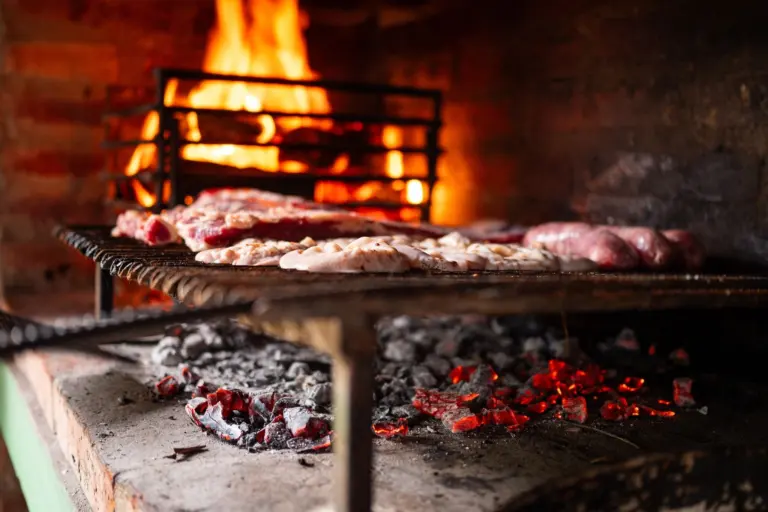
Several operators describe trail meals as part of the regional food story rather than a logistical afterthought. Wilderness Travel describes Alaska expedition meals that feature ingredients from local fishermen and organic farmers. On its Tuscany itinerary, walkers hike through olive groves and centuries-old Chianti vineyards and picnic at a family-run winery. On the Inca Trail, a feast called pachamanca is prepared by the families of the trek’s staff in a remote mountain village.
This answers a question many trekkers ask: what should I eat while trekking? On a guided route, the best answer is usually the meals your hosts prepare, because they reflect what the region grows and catches. Ask your operator which meals will be local specialties, which will be simple trail lunches, and whether any of them need advance notice, such as a feast cooked in advance in an earthen pit.
Snacks and market shopping
Between meals you will want food you can carry. A local market is the natural place to get it, and it doubles as an introduction to what people in the area actually eat. Our guide to what to buy at local markets for hiking snacks goes through the buying side in detail.
Shopping at a market stall rather than a packaged-food shop also puts you in direct contact with the people who grow and sell the food, which is the same participatory quality the survey coverage highlights.
Dietary needs
Regional feasts and set menus are planned ahead, so they leave little room to adjust on the day. Tell your operator or host about restrictions at booking, not at the table. Our guide on how to handle dietary restrictions on a guided trek covers what to raise and when.
Regional dishes by destination
The table below compares food experiences that operators describe in specific destinations. Use it to decide which kind of food experience suits the trip you are building, not as a complete list of what each country eats.
| Destination | Food or food experience | Planning use |
|---|---|---|
| Peru, Inca Trail | Pachamanca: meat and vegetables slow-roasted over hot stones in an earthen pit, prepared by families of Inca Trail staff in a remote mountain village | A feast rather than a snack; confirm with your operator whether it is on your itinerary and tell them about dietary needs early. |
| Georgia | Supra gatherings led by a village toastmaster | Expect a spirited, social table; let the toastmaster set the pace. |
| Italy, Lake District | Freshwater fish, cheeses and distinct wine varietals on lakeside hikes | Suits walkers who like a day structured around local produce. |
| Italy, Tuscany | Hikes through olive groves and Chianti vineyards with a picnic at a family-run winery | A good match for a relaxed walking day with a planned lunch stop. |
| Southeast Asia | Laotian, Vietnamese and Cambodian specialties, alongside French restaurants | On a multi-country route, expect the menu to change as you cross borders. |
| Alaska | Expedition meals using ingredients from local fishermen and organic farmers | Suits travellers who want local supply built into camp or lodge meals. |
| Vietnam | 10-day food trip with cooking classes, herb identification and a market in Saigon | Choose it if you want to learn to cook, not only to eat. |
| Japan | 12-day trip with food market visits and cooking of traditional dishes | Pairs markets with hands-on cooking; read the etiquette section before bargaining. |
| Mexico | Regional recipes influenced by pre-Columbian and Spanish traditions | Suits travellers who want to follow regional variation through a route. |
Dishes and itinerary details above come from Wilderness Travel’s food and wine adventures roundup and Another World Adventures’ food trip listings.
How to read the table
The Peru and Georgia rows are about occasions. Pachamanca on the Inca Trail and a supra in a Georgian village are meals you plan a day around, and both depend on local families and a host who leads the gathering. The Italian rows are about terrain: lakeside fish and cheeses in one, vineyard picnics in the other. They suit walkers who want food to arrive as a reward at a natural stopping point.
The Vietnam and Japan rows are about skills. A trip with cooking classes and market visits asks more of your time and attention than one where meals simply appear, so choose it only if you want to spend part of each day on food. Mexico is the broadest row: Another World Adventures notes that the recipes carry both pre-Columbian and Spanish influence, which is a good reason to eat widely across regions rather than repeat the same dish.
Markets, cooking classes and learning by doing
If you want a deeper food experience than a plate at the end of the day, build in a market walk first and a cooking class second. The market shows you the ingredients; the class shows you what to do with them.
Vaya Adventures describes culinary experiences that may include guided market tours, intimate cooking classes, and private tastings at small, family-run vineyards. Its Asia food trips combine market walks, cooking classes with local chefs and vineyard visits. A Portugal journey on Modern Adventure‘s chef trips page explores markets, vineyards and farms over a week.
What a guided market visit adds
A guide matters most at the stalls where you cannot read labels or recognise produce. The Vietnam trip in Another World Adventures’ listing pairs cooking classes with herb identification, and notes that the market in Saigon sells everything you need to cook delicious dishes. That combination is the point: learn to recognise the ingredients, then use them the same day.
When to choose a class over a market walk
Choose a market walk alone if your schedule is tight, you are trekking most days, or you simply want orientation. Add a class when you have a rest day, because cooking is slower than looking and tends to involve several people at a table. Learning a few words before you go helps in both settings, and our list of useful phrases for hiking in another country is a good starting point for stall and kitchen conversations.
Street food and market stalls
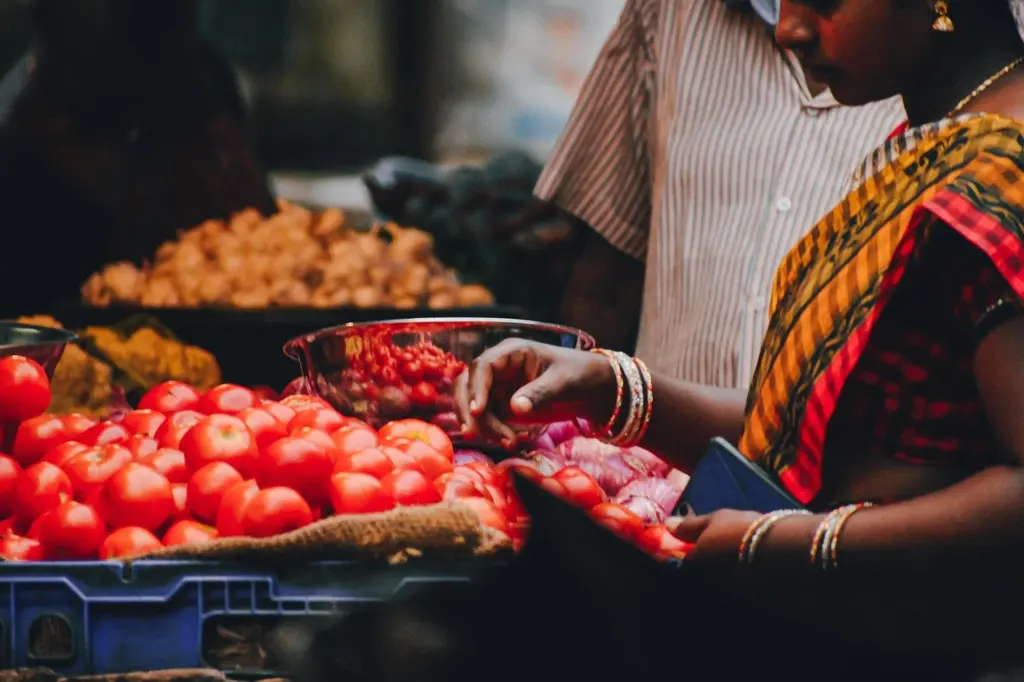
Street food and market stalls are where many regional dishes are found, and they are a legitimate part of an adventure trip when approached with some care. A Modern Adventure chef trip in Oaxaca, for example, has travellers eating regional specialities at rooftop restaurants and in local street markets, which shows how central market eating is to the food culture there.
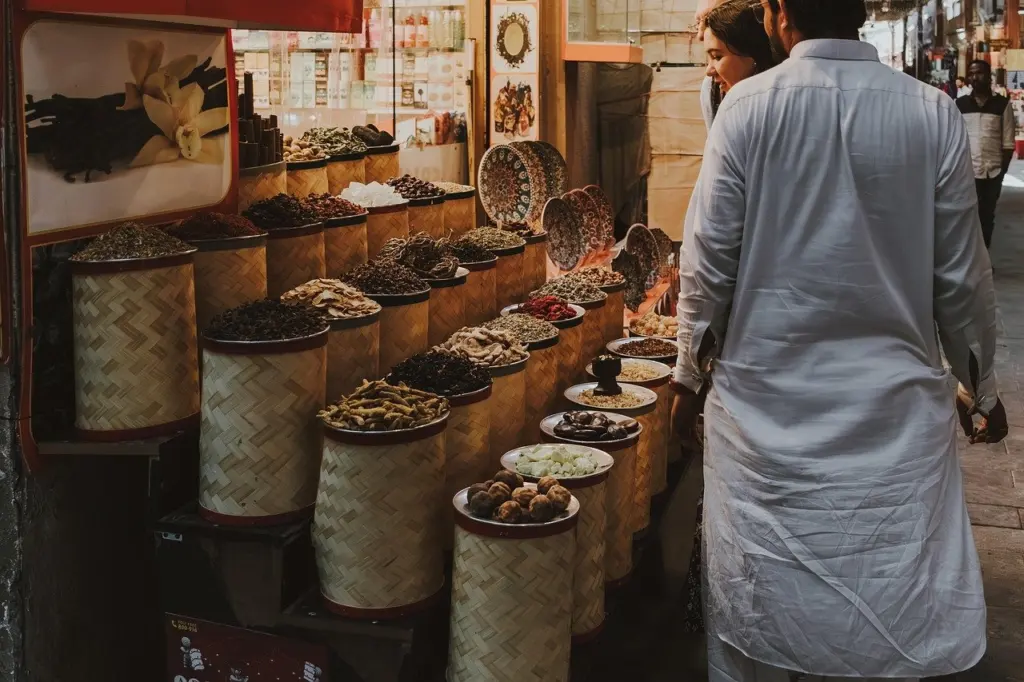
The decision is rarely whether to eat street food but how to start. Treat your first meals as a way of calibrating: eat where a guide or host sends you, then use that experience to judge other stalls. Because the right precautions depend on your destination and your own health, read our guide on how to eat street food safely while traveling before the trip, and check destination health advice from your national health agency.
Market food also sits well beside trail shopping. The same market that sells snacks for tomorrow’s walk usually has cooked food for tonight, so one visit can serve both purposes.
Homestays and home-cooked meals
A home-cooked meal is often the most memorable food on an adventure route, because the cook, the setting and the dish all come from one place. Two of the best-documented examples are not restaurant meals at all. The pachamanca on the Inca Trail is prepared by the families of the trek’s staff in a remote mountain village, according to Wilderness Travel. The same source describes the Georgian supra as a gathering led by a village toastmaster.
Both examples show what to expect from hosted meals. Someone local is in charge, the menu is set by what the household and region provide, and your role is to take part. That fits the participatory nature of food experiences described in the survey coverage, and it is a good reason to say yes when a host invites you to help or join in.
Making the most of a hosted meal
- Tell hosts about dietary needs early. A meal planned around a regional specialty is hard to change at the last minute.
- Let the host set the structure. At a supra, that means following the toastmaster rather than leading the table yourself.
- Offer to help if invited. Participation is part of the experience, and a willingness to learn goes a long way.
Etiquette
Good etiquette on an adventure route mostly comes down to watching, asking and following local lead. Customs vary by region and even by village, so treat the points below as habits to apply with judgement, not universal rules.
- Follow the host’s lead at gatherings. Where a village toastmaster leads a supra, the gathering has a rhythm that guests are not expected to set.
- Bargain only where it is expected. One Another World Adventures Japan itinerary describes negotiating good deals in the vibrant food markets as part of the fun. Treat that as a market-specific custom, and watch how locals behave at the stall before you haggle.
- Learn a few words. Greetings and thanks help at stalls, in kitchens and at family tables. Our guide to useful phrases for hiking in another country is a practical place to begin.
- Respect places of worship along the route. Many food stops, villages and trails pass near religious sites, and our guide on how to respect sacred sites while hiking explains how to behave around them.
If you are ever unsure, ask your guide or host before you act. Most people welcome the question, and asking signals the same respect that good etiquette is meant to show.
Dish guides by destination
Once you know where you are going, a country-specific guide helps you recognise dishes and order with confidence. Use these as the next step after this overview.
Nepal
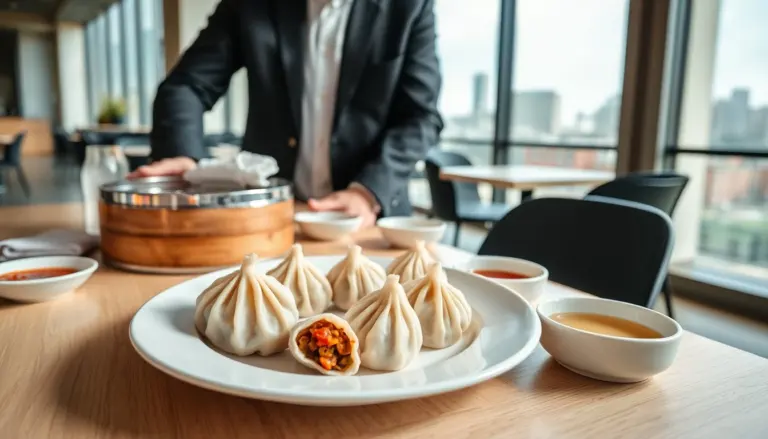
For a broad introduction, read Top 10 Nepali Foods: A Flavor Journey Through Nepal’s Best Dishes (2026 Guide). If you want to focus on one dish you are likely to meet on the trail, Momo Nepali Food: The Ultimate Guide To Nepal’s Steamed Dumpling Delight (2026) goes into detail.
Ethiopia
Begin with Traditional Ethiopian Food: A Flavorful Guide To Injera, Wot, And More (2026) for the overall picture. Then look at individual dishes in Shiro: Ethiopia’s Comforting Chickpea Stew — How To Make, Eat, And Find It In 2026 and Gomen: How To Make And Enjoy Ethiopia’s Savory Collard Greens (2026 Guide).
The Andes and the Americas
Pachamanca on the Inca Trail is one Peruvian dish worth planning around, and Taste Of Peru: A Friendly Guide To Traditional Peruvian Food In 2026 widens the view to the rest of the cuisine. Neighbouring routes are covered in Traditional Bolivian Food: A Flavorful Guide To Andean Classics In 2026 and Taste of Argentina: A Friendly Guide to Traditional Argentine Food (Classic Dishes, Ingredients, and Where To Try Them in 2026). In Central America, Taste Guatemala: 9 Must-Try Dishes And Flavors To Know In 2026 is the place to start.
Mongolia
If your route crosses open country far from towns, Beyond The Steppe: A Practical Guide To Traditional Mongolian Food In 2026 explains what to expect at the table.
Putting it together on your trip
Food planning works best as a short sequence of decisions made before and during the trip. Follow these steps in order and adjust to the length and style of your route.
- Ask how meals are arranged. Find out which meals your operator or lodge provides and which you need to source yourself.
- Flag dietary needs at booking. Planned feasts and set menus leave little room for last-minute changes.
- Pick one or two food experiences. A market walk, a class or a hosted meal is enough; the survey results suggest food works best as a layer within the trip, not as everything.
- Learn the basics of etiquette and language. A handful of phrases and an understanding of local custom make hosted meals and stall visits smoother.
- Start street food with local guidance. Build from a first recommended stall rather than choosing blind.
- Buy trail snacks at markets. It supports local sellers and gives you food that reflects the region you are walking through.
Done this way, food stops being a side issue and becomes part of how you read the landscape, the people and the route.
Frequently asked questions
| Question | Answer |
|---|---|
| What should I eat while trekking? | On a guided route, eat the meals your hosts prepare, since operators describe these as drawing on local ingredients, such as fish from local fishermen in Alaska or a family-cooked feast on the Inca Trail. Fill the gaps with market snacks and tell hosts about dietary needs early. |
| What local foods are worth trying in adventure destinations? | Pick dishes tied to an occasion or place: pachamanca in Peru, a supra in Georgia, regional specialities from street markets in Oaxaca, and freshwater fish and cheeses around Italy’s lakes. |
| Can I learn to cook on an adventure trip? | Yes. Operators describe cooking classes with local chefs, guided market tours and farm or vineyard visits, often combined on one itinerary. |
| Is it normal to haggle at food markets? | It depends on the market. One Japan itinerary describes negotiating deals at food markets as part of the experience, but watch local behaviour and ask your guide before you start. |
| Do travellers really choose trips for food? | Interest is strong. An annual survey summarised by TripInfo ranked culinary activities first for popularity in the 2025 report, though culinary-focused adventures ranked ninth out of 12 for high-demand trips. |