Popular Guatemalan food centres on pepián, kak’ik, tamales and a handful of street snacks. Most are built on Maya staples and are milder than their Mexican cousins, with heat served on the side. Where you eat each dish matters as much as what you order.
This guide is part of our wider look at adventure travel food and culture. It follows the order a traveller meets the food: staples first, then the nine dishes worth ordering, then the places along a highland route where each one turns up.
Maya staples behind the menu
Guatemalan cooking rests on ingredients the ancient Maya already used. According to The Bamboo Traveler, these include corn, beans, squash, chayote, chilies, tortillas, avocado, tomatillo and chocolate. That explains why so many dishes share a vocabulary: a corn-based wrapper or tortilla, a seed or tomato-based sauce, and beans or rice alongside.
The practical result for a visitor is that unfamiliar menus become easier to read. A plate that pairs a sauce-heavy main with tortillas and rice is following the same pattern whether it is a stew or a soup. Ordering becomes a matter of choosing the sauce rather than decoding a new cuisine each meal.
How hot is it?
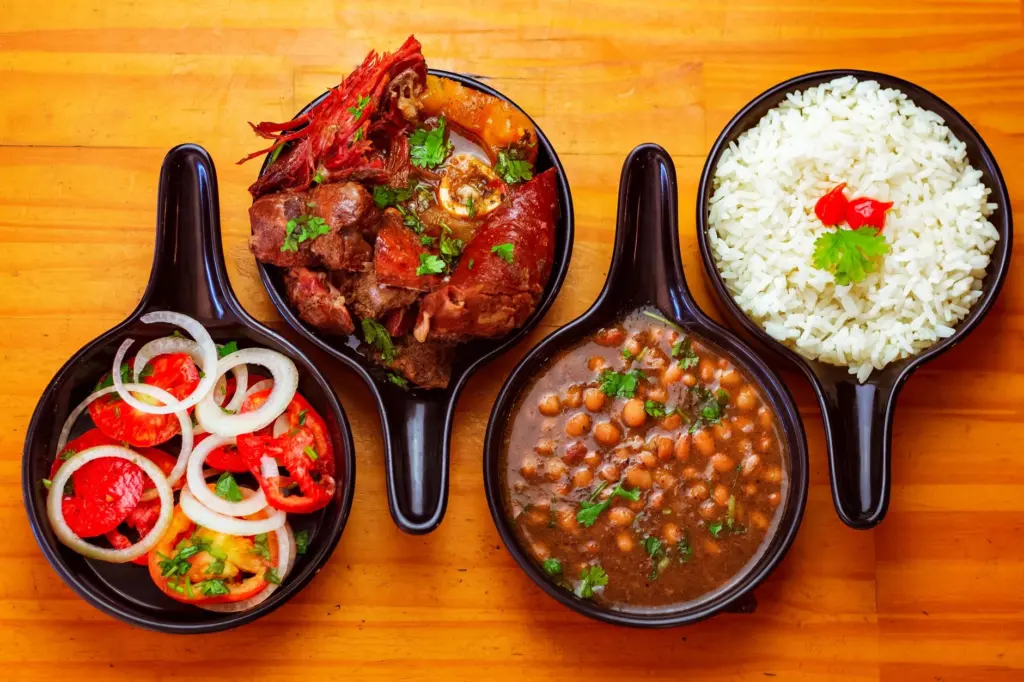
Guatemalan food is generally less spicy than Mexican food, according to Growing Up Bilingual. Heat usually arrives separately, as chiltepe or chirmol served on the side. Cautious eaters can taste the dish first and add chile in small amounts. People who want more fire can ask for the side sauce directly.
Coastal cooking is a different branch
Not every route runs through the highlands. Garifuna cooking around Livingston and Río Dulce leans on coconut and seafood, as The Bamboo Traveler notes. If your trip includes the Caribbean side, expect a menu that looks little like the seed-and-chile stews of the interior.
Nine dishes to order first
Three dishes carry most of the cuisine’s reputation: pepián, kak’ik and tamales. The remaining six add occasion food and street snacks that fill out a week of eating.
Pepián
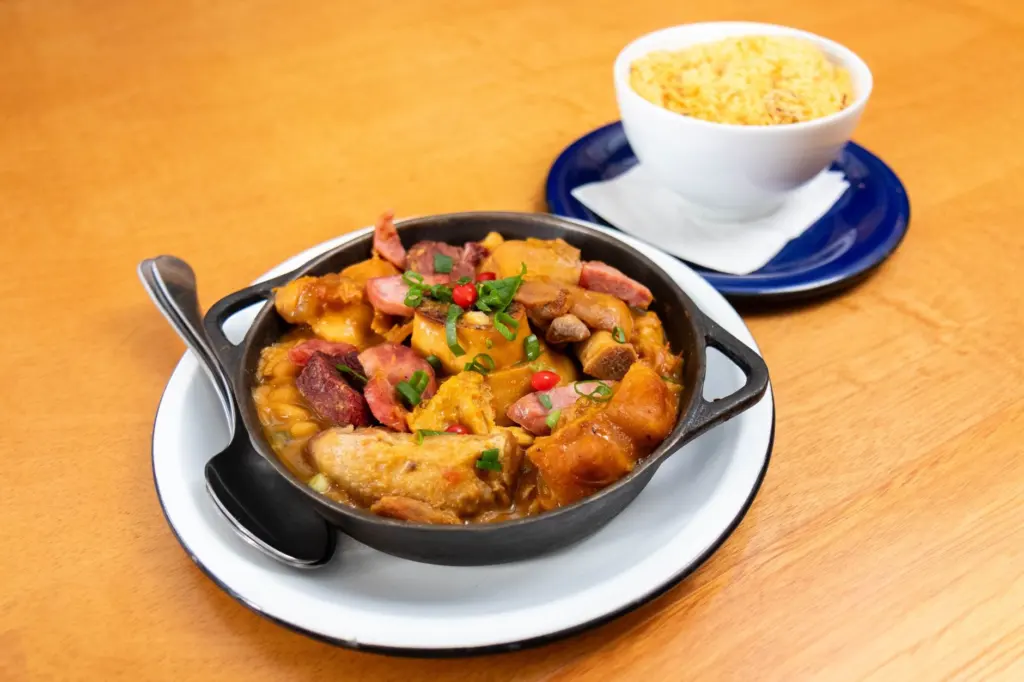
Pepián is Guatemala’s national dish and was declared Intangible Cultural Heritage of the Nation, according to Growing Up Bilingual. It is a thick, smoky stew built on toasted pumpkin seeds (pepitoria), sesame, dried guaque and pasa chiles, and tomatoes, and it is served over white rice.
Kak’ik
Kak’ik is a Q’eqchi’ Maya turkey soup from Cobán in Alta Verapaz, as Growing Up Bilingual describes it. Rio Grande Foods adds that it is a spicy soup seasoned with achiote, coriander and cumin and served with corn tortillas. It is the better choice when you want a brothy dish after a cold highland day rather than a heavy stew. Because it is tied to Cobán, a bowl there is the most direct way to meet its origins.
Tamales
Guatemalan tamales are wrapped in banana leaves more often than corn husks, per Growing Up Bilingual. The same source notes that tamales colorados are what Guatemalans eat at midnight on Christmas Eve. If you travel in December, ask about them specifically. Outside the season, unwrapping any banana-leaf tamale still shows the characteristic wrapping.
Fiambre
Fiambre is a multi-ingredient salad that appears only on the Day of the Dead.
Jocón
Chicken jocón gets its green colour from a recado of miltomates and cilantro. It is a good counterpoint to pepián: bright and herbal where pepián is dark and smoky. Order both on different days to taste how two sauces from the same pantry differ.
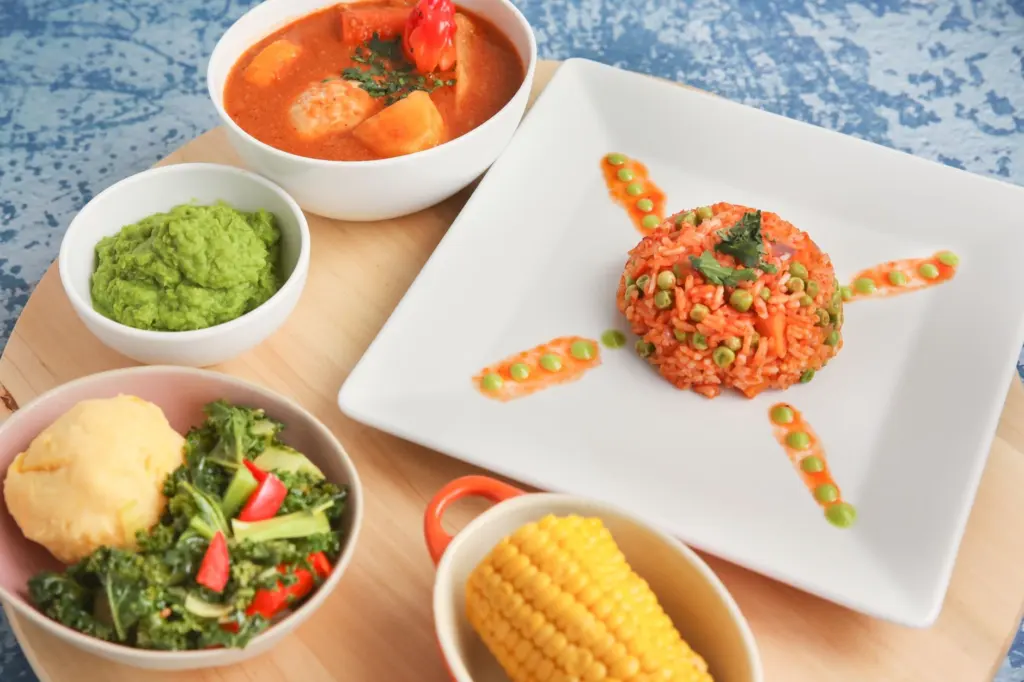
The last three of the nine, chuchitos, gringas and shucos, are street food, covered next along with pupusas.
Street food and what it costs
Antigua is the country’s original capital and, per A Taste for Travel, one of the best places in Guatemala to sample street food. The same source reports that vendors set up in the evening in front of Iglesia de La Merced, around the Central Market, at Parque Central and at Tanque La Unión.
- Gringas: a very inexpensive Antigua street food at 22 Q, around USD 3 by the source’s conversion. This is the one price in the evidence, so treat it as a rough marker for a snack rather than a fixed menu rate.
- Shucos: grilled beef, pork or sausage on a soft bun, found in Jocotenango, a 15-minute drive north of Antigua. They suit a hungry traveller after a long day.
- Chuchitos: small parcels with savoury fillings, a tidy, compact and nutritious option. They travel well in a daypack-friendly way: small, self-contained and easy to eat standing.
- Pupusas: a Salvadoran dish rather than a Guatemalan one, but sold near Antigua in San Pedro Las Huertas, about 15 minutes’ drive south. Order them as a tasty detour, not as a regional specialty.
Nine dishes at a glance
| Dish | Where or when it appears | What defines it | Planning use |
|---|---|---|---|
| Pepián | National dish | Thick, smoky stew of toasted seeds, dried chiles and tomatoes, served over white rice | First order for a sit-down meal |
| Kak’ik | Cobán, Alta Verapaz | Q’eqchi’ Maya turkey soup | Best tried in its home region |
| Tamales colorados | Midnight, Christmas Eve | Wrapped in banana leaves | Ask for them in December |
| Fiambre | November 1 | Multi-ingredient salad | Plan around the date |
| Jocón | Chicken dish | Green recado of miltomates and cilantro | Pair with pepián for contrast |
| Chuchitos | Street stalls | Small parcels with savoury fillings | Portable snack |
| Gringas | Antigua | Street snack at 22 Q (around USD 3) | Cheap evening bite |
| Shucos | Jocotenango, 15 minutes north of Antigua | Grilled meat on a soft bun | Filling stop outside town |
| Pupusas | San Pedro Las Huertas, about 15 minutes south of Antigua | Salvadoran dish sold locally | Optional detour |
Dish descriptions and regions come from Growing Up Bilingual, while the street food locations and price come from A Taste for Travel.
Matching dishes to a highland route
A route through the highlands lines up neatly with the menu, because each stop has a dish that suits it.
- Antigua: start with street food. Walk to the evening vendors near La Merced, the Central Market, Parque Central or Tanque La Unión and try gringas. Antigua is the easiest place to sample several snacks in one outing.
- Jocotenango or San Pedro Las Huertas: add a short drive of about 15 minutes for shucos to the north or pupusas to the south. Both make sense as a spare evening, not a day trip.
- Lake Atitlán: consider a cooking class. The Bamboo Traveler describes a highly regarded class run by the same community organisation that owns Café Sabor Cruceño. A class suits travellers who want to learn how pepián or a tamale comes together and who would like their money to go to a community group.
- Cobán: save kak’ik for here, where the soup originates.
If you like comparing highland cooking across countries, Traditional Bolivian Food: A Flavorful Guide To Andean Classics In 2026 covers another mountain cuisine. For a stew-and-bread tradition from a very different region, see Traditional Ethiopian Food: A Flavorful Guide To Injera, Wot, And More (2026).
Eating well and eating safely
Good habits matter more than any rule for street food. Pick stalls that are busy, where food is cooked or reheated in front of you and served hot. Choose small, contained items such as chuchitos when you cannot see how a dish is prepared. Because heat is served on the side, you also control how much chile goes into an unfamiliar sauce.
Before you travel, check your national travel-health agency for current food and water guidance for Guatemala, particularly if you have a sensitive stomach or an upcoming strenuous trek. Occasion foods such as fiambre and tamales colorados are tied to dates, so ask locally before assuming a restaurant will have them.
Frequently asked questions
What are the most popular Guatemalan dishes?
Pepián, kak’ik and banana-leaf tamales lead the list. Fiambre, jocón and chuchitos round out a first-time menu.
What street food should travelers try in Guatemala?
In and around Antigua, try gringas, shucos and chuchitos. Pupusas are sold nearby but are a Salvadoran dish.
Is Guatemalan food spicy?
It is generally milder than Mexican food. Chiltepe or chirmol usually comes on the side, so you can add heat to taste.
When are fiambre and tamales colorados eaten?
Fiambre is served on November 1, and tamales colorados are eaten at midnight on Christmas Eve.