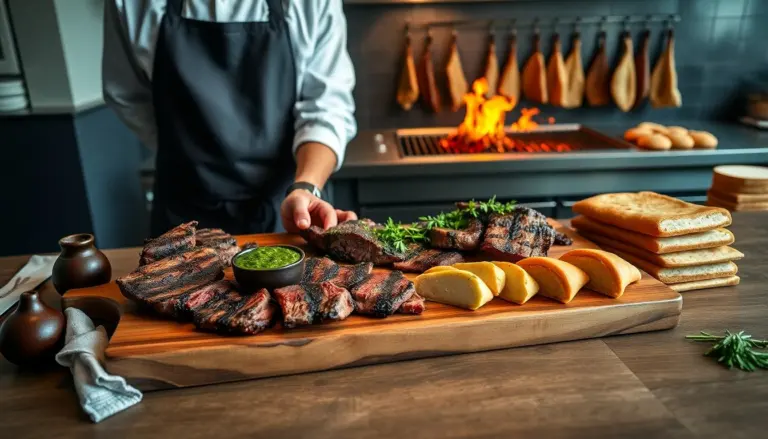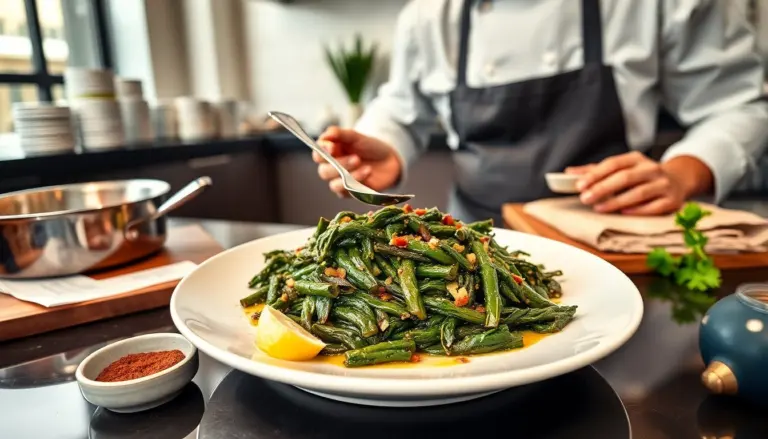
Traditional Ethiopian food offers bold flavors and shared plates. The guide shows staple dishes, habits, and where to eat. Readers learn what defines traditional Ethiopian food and how people prepare and share meals. The tone stays clear and direct. The piece aims to help visitors spot authentic restaurants and try key dishes with confidence.
Key Takeaways
- Traditional Ethiopian food is characterized by communal eating, slow-cooked spiced sauces like berbere, and the tangy flatbread injera made from teff.
- Injera serves both as a plate and utensil, connecting taste with cultural rituals through its unique fermentation and sharing practices.
- Staple ingredients include teff, lentils, and meats, prepared with clarified butter and layered spices to create rich, flavorful stews such as doro wot and shiro.
- Eating etiquette involves using the right hand to tear injera and scoop from shared platters, emphasizing hospitality and respect among diners.
- To experience authentic traditional Ethiopian food, seek out restaurants with fresh daily injera, Ethiopian chefs, and communal dining setups like a mesob.
- Diverse dishes from raw beef kitfo to mild alicha offer options for various palates, highlighting the balanced textures and heat of Ethiopian cuisine.
What Makes Ethiopian Cuisine Unique
Ethiopian cuisine uses slow-cooked sauces and spiced blends. It pairs sour, spicy, and mild tastes with soft flatbread. Many meals center on communal eating. The cooking highlights berbere, nitir qibe, and injera. Berbere mixes chili, fenugreek, and warm spices. Nitir qibe adds butter and herbs. Injera absorbs sauces and changes each bite. Traditional Ethiopian food balances texture and heat. It draws from highland grains and regional produce. The result feels both simple and rich.
Beyond flavors, Ethiopian cuisine is shaped by history and geography: highland farming favors teff and pulses, while trade and local seasons influence available vegetables, grains, and preserved ingredients. Seasonal variations—such as vegetable-heavy plates during fasting periods—produce a flexible cuisine that adapts to religious calendars and local harvests. The communal presentation and layered seasoning methods produce complex dishes that reveal themselves over the course of a meal.
Staple Ingredients And Cooking Techniques
Ethiopian cooks rely on teff, lentils, and sheep or chicken. They use clarified butter and spice blends for depth. Stews simmer for hours to build flavor. Teff yields a tangy, soft flatbread. Lentils form red and yellow stews. Meat stews often braise in berbere. Vegetables roast, boil, or sauté with onion and garlic. Fermentation adds sour notes to injera. Many cooks season in stages to layer taste. Traditional Ethiopian food emphasizes ingredients that age well and pair across plates.
Common techniques include slow-braising, dry-roasting spices to awaken oils, and browning onions low and long to develop sweetness before adding liquids. Pulses (lentils, split peas, chickpeas) are transformed into purees or textured stews, while meats are often marinated in spice pastes. Clarified butter (nitir qibe) and spiced oils carry heat and aromatic notes across dishes. These methods create the deep, cohesive flavors associated with authentic traditional Ethiopian food.
Injera: Preparation And Cultural Role
Injera serves as plate and utensil. Cooks mix teff flour with water and let it ferment for two to four days. Fermentation creates a light sourness and tiny holes on the surface. The batter cooks on a large hot griddle until it puffs. People place stews on top and tear pieces to scoop food. Guests share from a common platter. Hosts display skill in making even, thin injera. The bread connects taste and social ritual in traditional Ethiopian food.
Injera also has nutritional and practical roles: teff is naturally nutrient-dense and gluten-free, making injera a filling base that pairs well with protein-rich stews. Regional variations may use teff blends or other grains depending on availability; however, authentic preparations emphasize the fermented batter and the characteristic spongy texture. Learning to tear and use injera properly enhances the experience and is often taught by hosts as part of the meal ritual.
Classic Dishes To Try
Doro wot stands as a national favorite. It pairs chicken with hard-boiled egg and rich berbere sauce. Kitfo uses raw or lightly cooked beef with mitmita spice and butter. Alicha offers milder stews with turmeric and onion. Tibs showcases sautéed meat with peppers and herbs. Shiro uses ground chickpeas or broad beans in a spiced puree. Each dish highlights a different spice profile. Visitors find that traditional Ethiopian food offers options for many palates.
Other notable dishes include misir wot (spicy red lentils), gomen (collard greens braised with garlic and spices), and azifa (a lemony green lentil salad served cold). Many restaurants present a mixed platter (often called a combo) so diners can sample several items at once—an ideal way to appreciate the range of textures, from silky stews to crisp sautéed vegetables. For those curious about fermentation and preservation, try dishes that feature tej (honey wine) or buna (traditional coffee ceremony) that often accompanies meals.
How To Eat Ethiopian Food: Etiquette And Sharing
People eat with the right hand and avoid the left for serving. Hosts share a large platter called a mesob. Diners tear injera and scoop stews from the center outward. Guests may eat directly from the shared plate if the host invites them. It is polite to finish what one takes and to accept offers of more. Diners should use small bites near others on the platter. These habits shape the social side of traditional Ethiopian food.
Beyond basic rules, there are common courtesies that help guests blend in: allow elders or hosts to serve first, avoid reaching across someone else’s portion, and be open to the communal pace—meals often unfold slowly with conversation. If you have dietary restrictions, mention them when invited; hosts are usually accommodating and can point to milder or vegetarian options. Participating in a coffee ceremony after the meal is a customary way to show appreciation and complete the dining experience.
Where To Experience Authentic Ethiopian Dining
Look for restaurants that make injera fresh daily. Seek eateries that display a mesob or communal platters. Ask staff if they use teff or a teff blend for injera. Check menus for doro wot, misir wot, and shiro. Cultural events and community centers often host Ethiopian meals. Markets and pop-up dinners can offer home-style cooking. Travelers should read reviews and favor places run by Ethiopian cooks. These steps help people find true traditional Ethiopian food.
Authentic experiences often extend beyond the plate: communal dining rooms, open kitchens where injera is prepared, or hosted meals in community centers give a fuller sense of the cuisine and its social context. When dining in your city, look for establishments that emphasize daily preparation, list specific Ethiopian ingredients on their menus, or offer a traditional coffee ceremony. For a richer visit, ask about seasonal specialties or chef recommendations so you can sample regional variations and less-common preparations.