Traditional Bolivian food mixes Andean, Amazon, and Spanish influences. The cuisine shows local ingredients, altitude effects, and long family recipes. This guide highlights key dishes, staple ingredients, and eating customs. It gives clear tips for visitors who want authentic meals. It keeps language simple and practical so readers can act on the advice quickly.
Key Takeaways
- Traditional Bolivian food combines Andean, Amazon, and Spanish influences, reflecting regional geography and local ingredients.
- Signature dishes like Salteñas, Pique a lo Macho, and Sopa de Mani showcase diverse flavors and textures unique to Bolivia.
- Potatoes, quinoa, maize, and meats like pork and guinea pig are staple ingredients in traditional Bolivian food.
- Cooking techniques such as slow simmering, open-fire grilling, and freeze-drying with chuño create authentic taste experiences.
- Street markets and local eateries offer the best opportunities to enjoy authentic traditional Bolivian food by sampling small portions.
- Visitors should use simple Spanish phrases, try milder spice versions if needed, and respect dining customs to connect with Bolivian culture during meals.
Regional Flavors: How Geography Shapes Bolivian Cuisine
Highlands, valleys, and lowlands create different tastes in traditional Bolivian food. The Altiplano yields potatoes, quinoa, and lamb. Chefs in La Paz use those items in hearty stews. Regions near Cochabamba favor corn, pork, and fresh vegetables. Cooks in the valleys use mild spices and frying methods. The Amazon basin adds fish, yucca, and tropical fruits. Markets in Rurrenabaque sell fresh river fish and plantains. Coastal influence from Bolivia’s past appears in salt-cured fish recipes and simple sauces. Climate and altitude affect cooking times and textures. High-altitude cooks boil longer and press out moisture from tubers. Farmers choose crops that withstand cold nights or seasonal rain. Travelers learn about these differences by visiting regional markets. Local vendors explain dishes and offer small samples. Tourists who eat where locals eat will taste clear regional contrasts in traditional Bolivian food.
Signature Dishes You Should Try (Salteñas, Pique A Lo Macho, Sopa De Mani, And More)
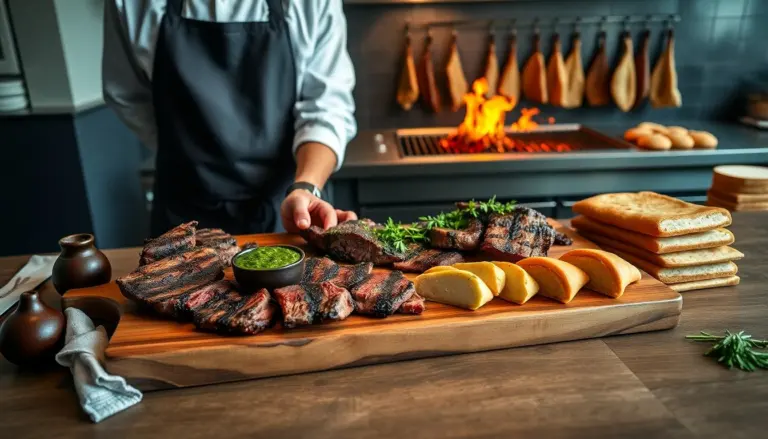
Salteñas offer a savory, slightly sweet filling inside a baked pastry. Vendors sell them in the morning and people eat them as snacks or light meals. The filling often includes beef or chicken, potatoes, peas, and a rich sauce. Pique a lo macho layers fries, beef, sausages, and peppers. Chefs add fried eggs and a spicy sauce. Groups often share this dish with beer. Sopa de mani presents a creamy peanut soup with beef and potatoes. Cooks simmer peanuts into a smooth base and add herbs for aroma. Chairo serves as a thick shepherds’ soup with chuño, meat, and vegetables. It warms the body at high altitude. Anticuchos appear as grilled heart skewers. Street stalls grill them over wood fire and serve them with spicy sauce. Llajwa, a tomato and pepper salsa, accompanies many plates. It adds heat and freshness to simple dishes. Each of these foods shows a point of Bolivian flavor history. Trying several dishes helps visitors compare textures, spice levels, and regional styles in traditional Bolivian food.
Staple Ingredients And Traditional Cooking Techniques
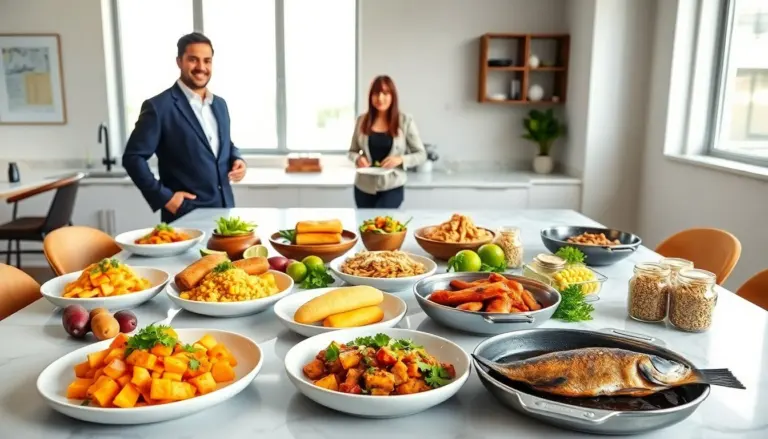
Potatoes and quinoa serve as core staples in traditional Bolivian food. Farmers grow thousands of potato varieties across the highlands. Cooks boil, mash, and roast these potatoes in daily meals. Quinoa appears in soups, salads, and side dishes. Maize appears as cornmeal, tamales, and fresh kernels. Cooks use pork, beef, lamb, and guinea pig in many recipes. River communities use fish and shellfish. Peanuts add body to soups and sauces. Onions, garlic, and local peppers build most flavor bases. Traditional techniques include slow simmering, open-fire grilling, and baking. People use clay pots for even heat and flavor retention. Salt curing and smoking preserve meat in remote areas. Frying fills street food stalls with quick, popular choices. Steaming appears in certain tamale and huminta preparations. Freeze-drying with chuño gives potatoes long shelf life and unique texture. Markets sell fresh and preserved components so cooks can prepare food across seasons. These ingredients and methods form the practical backbone of traditional Bolivian food.
Where To Eat, How To Order, And Cultural Etiquette For Visitors
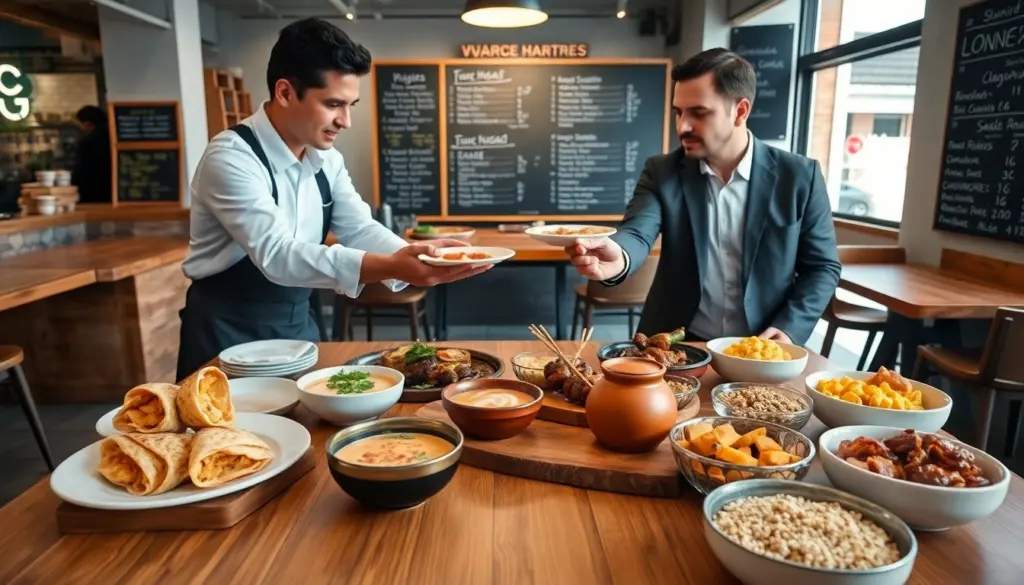
Street markets present the most direct path to authentic traditional Bolivian food. Plaza markets open early and sellers display food in plain trays. Visitors should ask for small samples before they buy. Restaurants in city centers offer set menus called platos del día. These meals often include soup, main, and drink for a fixed price. To order, point to menu items or use simple Spanish phrases. Servers respond well to clear requests. Pay attention to portion sizes. Many Bolivian plates arrive large enough for sharing. Diners should eat with forks and spoons: knives are rare at the table. Tipping norms remain modest. People often leave 5–10% when service is good. Respect local habits by accepting an offered drink or tasting a small bite. Hosts expect polite thanks and brief conversation. If a dish contains peppers, ask for a milder version. This step prevents surprises for sensitive eaters. By following these steps, visitors will enjoy food safely and respectfully and will connect with local culture through traditional Bolivian food.