| Dish or custom | What to expect | Planning use |
|---|---|---|
| Buuz | Large dumplings of sheep or beef, onion and garlic, steamed for twenty minutes | A sensible first order for anyone who likes dumplings. If a family makes them for you, allow for the steaming time. |
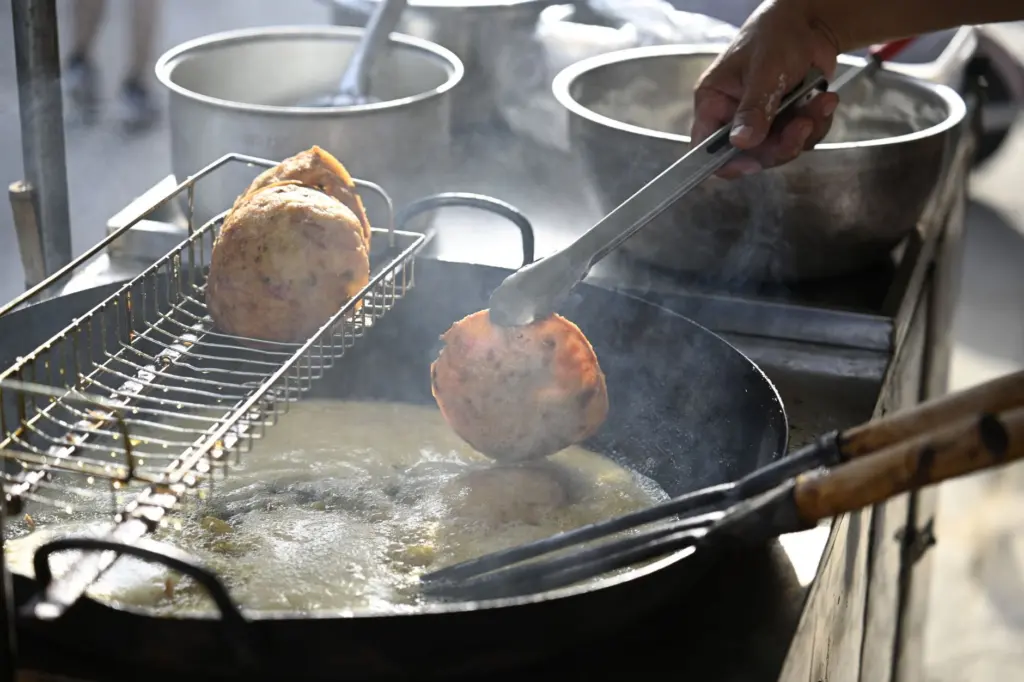
| Khuushuur | Small half-moon pastries filled with meat and fried | Suits a quick, filling bite rather than a long sit-down meal. |
| Khorkhog | Goat stew cooked for hours with hot stones in a sealed pot; usually kept for big special occasions | Do not expect it on an everyday menu. If it is served, the occasion is a special one. |
| Airag | Fermented horse milk, traditionally offered to guests in a bowl when they enter a nomadic family’s ger | Take at least a few sips, because refusing is considered rude. |
| Milk tea | Tea with milk and salt added instead of sugar | Expect a savoury cup, not a sweet one. |
The dish details and customs in the table come from the travel guides at Travel Buddies and Nomadic Boys.
Traditional Mongolian food centres on meat and dairy, and the key rule in a ger is to accept what you are offered: a bowl of airag, salted milk tea, then dumplings, fried pastries or a hot-stone stew.
If you are planning meals across a whole trip, our guide to adventure travel food and culture shows how to fit dishes like these into a route. The sections below cover manners first, then the dishes, where to find them, and why the menu looks the way it does.
Eating in a ger: what changes for your trip
A ger stay shapes how you eat as much as what you eat. According to Nomadic Boys, a nomadic family traditionally offers guests a bowl of airag on arrival, and it is considered rude to reject these gifts. That makes the first minutes inside the ger part of the meal, so arrive ready to drink before you eat.
- Accept the first bowl. Guests are encouraged to take at least a few sips of airag. That is the supported minimum, and it is enough to show respect.
- Expect to share. With khorkhog, the cooking juice is collected in a bowl and passed around for everyone to sip, so the meal works as a group event rather than individual plates.
- Allow for slow cooking. In a nomadic ger the khorkhog pot sits on a small stove fuelled by wood or dried dung (argal), and the stew cooks for hours. Treat it as a slow meal, not a quick stop.
- Do not assume a sweet cup. Milk tea is made with salt, so ask for nothing extra and drink it as a savoury warm-up.
With the etiquette settled, the dishes themselves are easier to choose between.
Dishes worth ordering
Buuz
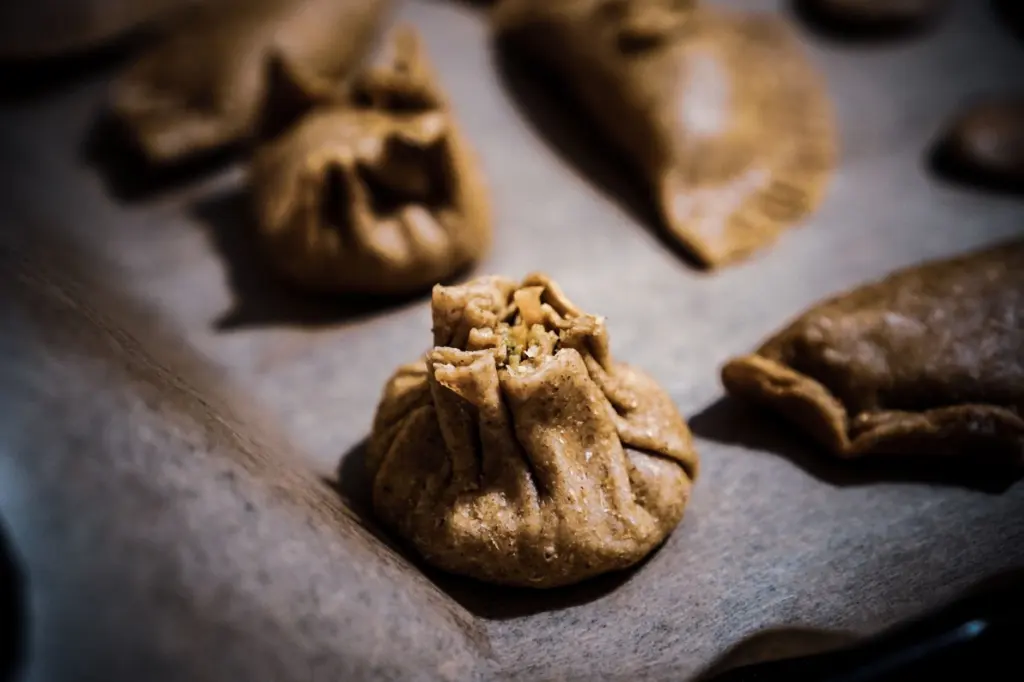
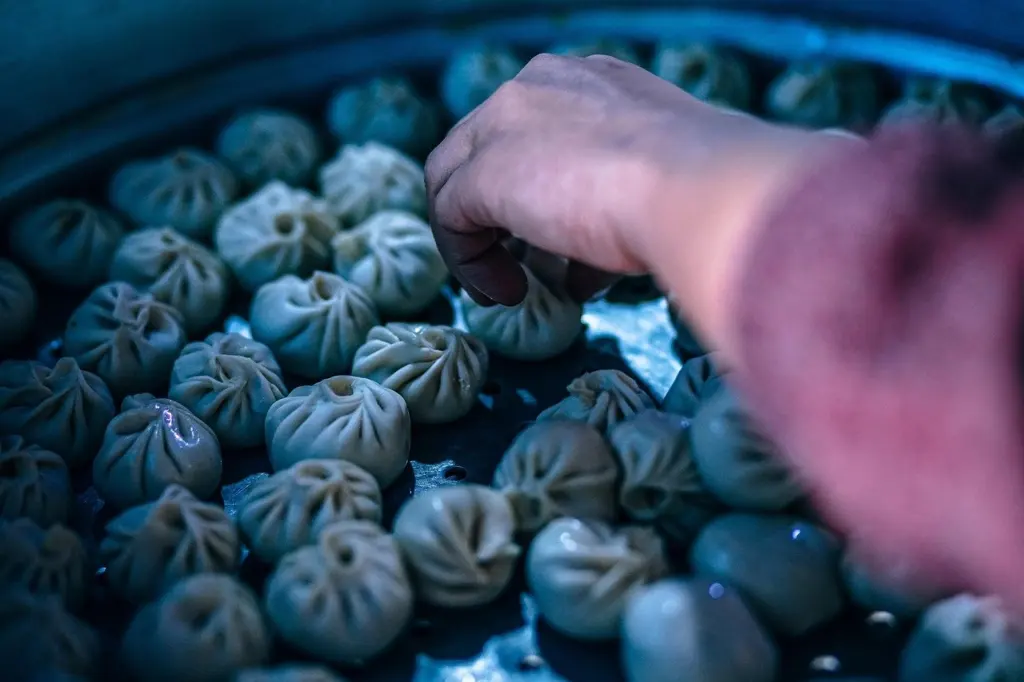
Buuz are two-bite dumplings that come in different shapes and are usually steamed, though they are occasionally pan-fried, as New City’s Mongolian food feature describes. View Mongolia notes that they can be made from any type of meat combined with fat, so the filling will differ from one kitchen to the next. At Tsagaan Sar, hosts prepare as many as 1000 dumplings for their guests, according to Travel Buddies. Buuz are the dish to pick if you want the least risky introduction to the cuisine.
If steamed dumplings are your draw, Nepal’s version is covered in Momo Nepali Food: The Ultimate Guide To Nepal’s Steamed Dumpling Delight (2026), which is useful for comparing how two mountain cuisines treat the same format.
Khuushuur
Khuushuur are small, half-moon shaped pastries filled with sheep or beef and onions, then fried. They are the fried counterpart to buuz, so ordering both in one meal gives you the steamed and fried sides of the same idea. Choose khuushuur when you want something you can eat quickly, and buuz when you are happy to wait for the steamer.
Boodog and khorkhog
Both of these dishes cook meat with hot stones. Travel Buddies describes boodog as goat meat cooked by putting hot rocks inside the skin, and The Flavor Vortex adds that the animal is typically a goat or marmot. Khorkhog is a stew of goat meat in a sealed pot. Nomadic Boys says it is usually reserved for weddings, birthdays, anniversaries and other big occasions. Because both dishes suit groups and celebrations, they are best sought out with a host or a tour rather than ordered casually.
Airag
Airag, fermented mare’s milk, is the national drink of Mongolia and is high in vitamin C, according to New City. Treat it as a cultural stop as much as a drink, since in a ger it is the welcome rather than an optional extra.
Where travelers can try it
Gers and local restaurants are the most direct route. The dishes above are easy to find in many gers and local restaurants, per Travel Buddies, so a ger stay doubles as a tasting trip. The choice depends on what you want to see:
- Ger stay or rural restaurant. Best for hosts who explain the food and for the full welcome routine. View Mongolia reports that dried-meat dishes are found in restaurants year-round and at nomads’ gers, especially in spring and summer.
- Ulaanbaatar and other cities. Best for variety. Urban menus offer far more noodles and vegetables than rural areas, and they include foods introduced from other meat-loving cultures, according to New City. If you want the traditional dishes in the capital, order the named dishes rather than the generic menu.
- Festivals and big events. Khuushuur is particularly common at any festivals or big events, Nomadic Boys notes, so timing a trip around one gives you easy access.
For a contrast with another highland cuisine, Top 10 Nepali Foods: A Flavor Journey Through Nepal’s Best Dishes (2026 Guide) is a useful companion read.
Why the menu leans on meat and dairy
Geography explains most of what Mongolians eat. Almost 80% of Mongolia is steppe pastureland and less than 1% of land is arable, according to New City. The harsh climate limits growing, so most fruit and vegetables are imported and expensive, as Nomadic Boys explains. In practice, herd animals supply the staples, and you should not count on fresh produce at a rural ger.
The season changes the balance. View Mongolia says Mongolians prepare meat dishes mostly once a day in summer and autumn, with more meat in winter and spring, while summer and autumn are the seasons when dairy products are most commonly consumed. A summer or early-autumn ger stay therefore suits travelers who want to try milk-based foods. A winter or spring trip will be heavier on meat.
The regional split that matters most for a visitor is between city and countryside: cities bring noodles, vegetables and foreign influences, while rural cooking stays closest to meat, dairy and the stove in the ger.
Frequently asked questions
Is airag alcoholic?
Yes, but only mildly. Nomadic Boys puts the alcohol content of airag at around 2-3%.
Can vegetarians find buuz?
Sometimes. Vegetarian buuz have been spotted in a few modern upscale restaurants in Ulaanbaatar, so the capital is a better bet than a rural ger, where cooking centres on meat.
What do people eat at Naadam?
Khuushuur is the main dish of the Naadam Festival, held in July, according to View Mongolia. Nomadic Boys adds that street vendors sell it around the Ulaanbaatar stadiums during the festival.
Can I try Mongolian food outside Mongolia?
Possibly. New City reported in 2022 on Mazalae Mongolian Restaurant in Morton Grove, near Chicago. Check that a restaurant is still open before you travel.