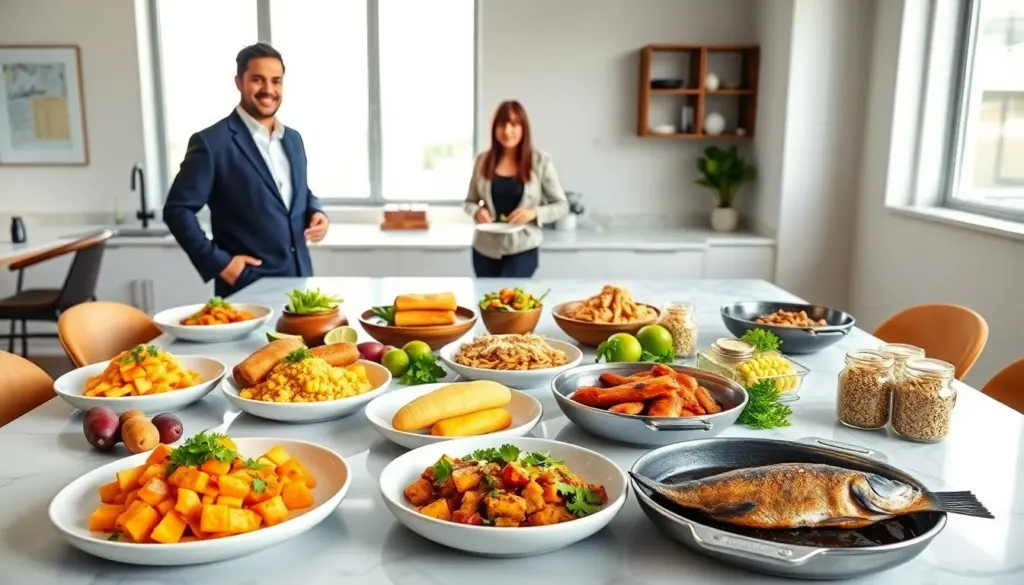
They explore traditional Peruvian food in this guide. The guide shows key ingredients, classic dishes, and daily eating habits. The guide gives clear context for tourists and home cooks. The guide stays practical and direct. The guide prepares readers to recognize flavors, order food, and try recipes.
Key Takeaways
- Traditional Peruvian food combines indigenous, Spanish, African, and Asian influences for a rich culinary tradition.
- Core ingredients like potatoes, corn, rice, ají peppers, lime, and cilantro shape the distinct flavors of Peruvian dishes.
- Iconic dishes such as ceviche, pachamanca, and juanes highlight coastal, Andean, and Amazonian regional specialties.
- Daily eating habits include street foods like empanadas and anticuchos, as well as set meals like desayuno, almuerzo, and cena.
- Understanding traditional Peruvian food helps tourists and home cooks recognize flavors, order meals, and try authentic recipes.
Why Peruvian Cuisine Is One Of The World’s Great Food Traditions
Peruvian chefs draw on indigenous, Spanish, African, and Asian influences. The chefs mix local crops and imported techniques. The result makes traditional Peruvian food varied and deep. Food historians point to biodiversity and trade as drivers. Farmers supply potatoes, corn, and quinoa that define many dishes. Fishers deliver fresh seafood that shapes coastal plates. Markets support small producers and keep flavors local.
Beyond ingredients and history, innovation is central: home cooks and restaurant chefs alike layer techniques—acid-cooking, smoking, long braises, and quick stir-fry methods introduced by Chinese and Japanese settlers—so a single cuisine can present vivid raw preparations like ceviche and slow, mineral-rich stews from the highlands. That mix of respect for heritage and openness to influence is why traditional Peruvian food continually earns global attention and why its restaurants and street stalls offer such varied experiences.
Core Ingredients And Signature Flavors You’ll See In Every Dish
Peruvian cooks use potatoes, corn, and rice as staples. They add ají peppers for heat and flavor. They use lime and cancha to balance texture and acidity. They include cilantro and garlic to scent sauces and soups. They use native tubers and grains in stews and sides. They pair seafood with citrus and spice in many recipes. These choices shape traditional Peruvian food across regions.
Look for repeating flavor building blocks: an acidic element (often lime or fermented chicha), a savory base (onion, garlic, and lard or oil), and an ají for aroma and heat. Textures also matter—crunch from cancha or toasted corn contrasts with silky causa or creamy potato mash. Staples such as aji amarillo, rocoto, and huacatay (a native herb) appear in sauces, marinades, and garnishes, giving dishes a recognizable Peruvian profile even when the primary protein or grain changes.
Iconic Dishes You Must Try
Peruvian tables present bright and bold plates. Travelers find dishes that highlight local produce and technique. The dishes below show coastal and urban styles that tourists often seek.
Some classics to look for when exploring traditional Peruvian food include:
- Ceviche – fresh fish cured in lime with ají, onion, and cancha or sweet potato on the side; a concise lesson in acidity and texture.
- Lomo saltado – a Sino-Peruvian stir-fry of beef, tomatoes, onions, and fries, served with rice, reflecting the Chinese influence on urban cuisine.
- Pachamanca – an Andean earth oven feast of meats and tubers cooked with hot stones, showcasing communal cooking traditions.
- Ají de gallina – shredded chicken in a creamy, yellow pepper sauce thickened with bread or nuts, a home-style comfort food.
- Pollo a la brasa – rotisserie chicken marinated with spices and cooked over charcoal, a national favorite for casual meals.
Each of these dishes shows a different way Peruvian cooks use local products and techniques. Sampling a range of these will give a clear picture of the cuisine’s breadth.
Regional Cuisines: Coastal, Andean, And Amazonian Specialties
Coastal chefs favor seafood, citrus, and light sauces. They prepare ceviche, tiradito, and seafood stews. Andean cooks use potatoes, corn, and dried meat. They prepare pachamanca, stews, and layered tamales. Amazonian cooks use cassava, plantains, and river fish. They prepare juanes and grilled fish with local herbs. Each region frames traditional Peruvian food around available crops and water sources.
Within those broad regions there are further distinctions: Lima’s food scene blends street vendors and high-end fusion; northern coastal towns emphasize sweeter, spice-forward seafood plates; highland villages rely on hardier tubers, alpaca and cuy (guinea pig) in ceremonial or family meals; and Amazonian communities base much of their diet on cassava, fruitstarches, and smoked river fish. Recognizing those micro-regional differences helps when ordering or shopping—asking what local ingredient is in season will often lead to the most authentic and flavorful choice.
Street Food, Everyday Meals, And How Peruvians Eat Day-To-Day
Vendors sell empanadas, anticuchos, and tamales on many corners. Families eat desayuno, almuerzo, and cena at set times. Workers grab quick sandwiches or a bowl of sopa on lunch breaks. Markets offer cheap plates called platos del día that feed most locals. Home cooks prepare simple rice, beans, and a protein for dinner. These habits show how traditional Peruvian food fits daily life.
Typical day-to-day rhythms: desayuno (breakfast) is often light—bread, tamales, or coffee with milk—while almuerzo (midday meal) is the heart of the day and commonly includes a soup, a main, and a drink sold as a set. Cena (evening meal) tends to be lighter. Street food is not only for tourists: anticuchos (grilled skewers), tamales, and salchipapas are real working-class staples, and market stalls serve nourishing, inexpensive platos del día that change with the season. For home cooks, mastering a handful of staples—rice, fried onions, aji-based sauces, and a versatile protein—lets you replicate the essential flavors of traditional Peruvian food at home.