Seen gomen on an Ethiopian menu and unsure what you are ordering? Gomen Ethiopian food is a collard greens stew, cooked meatless or braised with beef, and simple enough to make at home.
Knowing which version is on the plate matters more than any single recipe, and it is a good example of why adventure travel food and culture adventure travel food and culture rewards a little menu reading before you order.
What gomen is and how the names differ
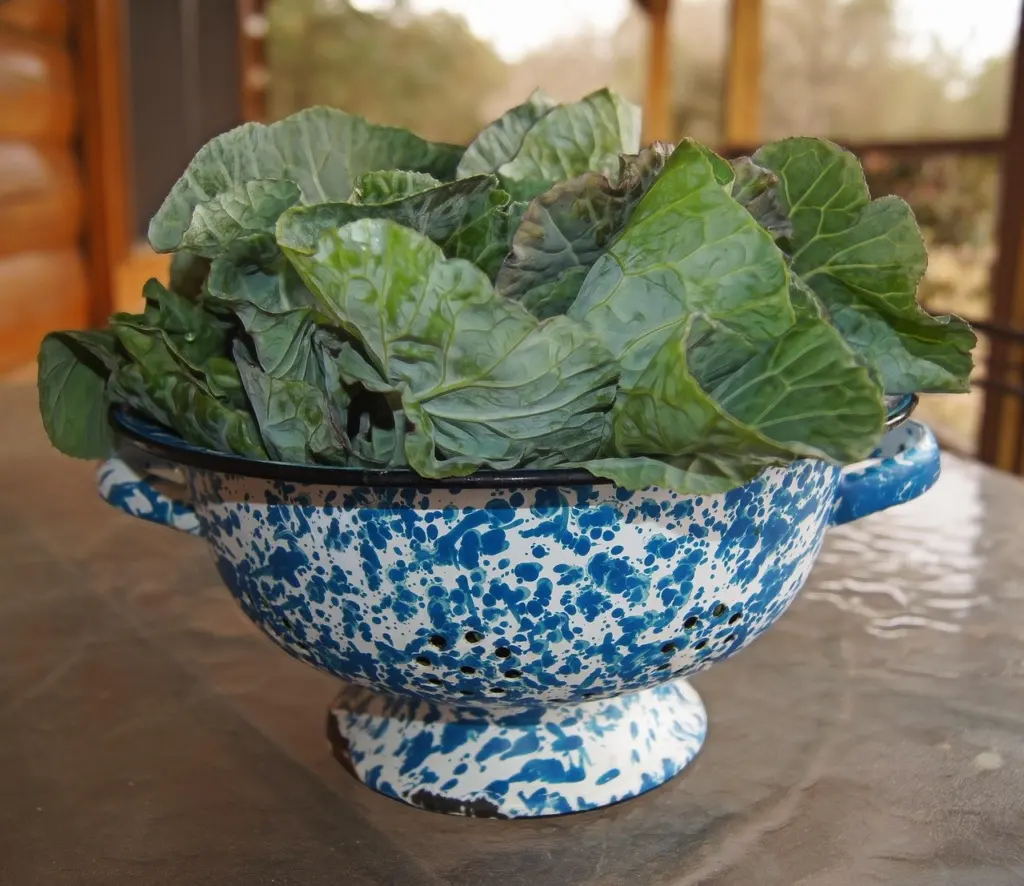
Gomen wat translates as “collard greens stew,” according to Milk Street’s gomen wat recipe, so the name itself describes a stewed greens dish rather than a special occasion centrepiece. The same source notes that when the greens are braised with beef, the dish is called gomen besiga. Its cooks tasted multiple versions of the hardy greens braised with beef while in Ethiopia, which shows the beef style is a real part of the cuisine and not a rarity.
That gives a traveller a simple decoding rule. The plain stew is the greens-only dish, and besiga signals beef. The table below sets the two side by side.
| Version | What goes in the pot | Character | Planning use |
|---|---|---|---|
| Gomen wat (meatless) | Collard greens cooked without meat | Milk Street prefers it as the lighter, brighter, more flavorful version | Choose it when you want the vegetable dish, and ask what fat the greens were cooked in |
| Gomen besiga | Collard greens braised with beef | Multiple versions were tasted in Ethiopia | Order it when you want meat in the greens; the name tells you beef is included |
The naming and flavour comparisons above come from Milk Street.
Common misunderstandings about gomen
Most confusion comes from assuming gomen is one fixed dish. A few corrections help both when ordering abroad and when cooking at home.
- “Gomen always contains meat.” It does not. The beef-braised version carries its own name, gomen besiga, and Milk Street’s recipe deliberately cooks the greens without meat because it finds that version lighter and brighter.
- “Meatless means vegan.” Not automatically. Milk Street notes that Ethiopian butter, made from fermented milk, infuses dishes with flavor, and the Spin the Globe recipe allows butter to replace some of the oil. So gomen can be vegan, but only when no meat and no butter are involved. If you avoid animal products, ask how the greens were cooked, or cook with oil alone at home.
- “Restaurant and home versions match.” Seasoning varies between cooks, from ginger and chili-led pots to turmeric, paprika and lemon, as the variations below show. Treat any single recipe as one reliable starting point.
On a menu, the practical move is to read the name for besiga, then ask a quick question about butter if dairy matters to you. That is enough to avoid a surprise without turning ordering into an interrogation.
Ingredients and quantities
The Spin the Globe recipe makes 4 servings from a short, pantry-friendly list:
- Collard greens: 2 bunches, the backbone of the dish.
- Onion: 1 large onion, chopped, which becomes the soft base of the pot.
- Fat: 1/3 cup oil, or replace some of it with butter.
- Garlic and ginger: 1 teaspoon minced garlic and 1 teaspoon minced ginger root.
- Chili: 2 jalapeño peppers, de-seeded and chopped, which supply gentle heat once the seeds are removed.
- Salt: to season the finished greens.
The Milk Street version adds a finishing idea worth borrowing: it reserves 1 tablespoon of the minced ginger and stirs it in at the end. If you like ginger to read clearly in the final bowl, hold some back in this way rather than cooking all of it from the start.
Cooking gomen at home
Two timings are on offer, and the right one depends on your evening. Spin the Globe lists 30 minutes to cook and rates the recipe easy, which suits a weeknight. Milk Street lists a cook time of 1 hour, with 20 minutes of active work plus cooling, and also makes 4 servings. Pick the shorter route when you want greens on the table quickly, and the longer one when you can leave the pot largely alone.
The method below follows the Spin the Globe approach:
- Cook the collards. Chop the greens and cook them until they turn color and soften, about 10 to 15 minutes.
- Soften the onion. Cook the chopped onion in the oil over medium heat until it is soft and translucent, about 7 minutes.
- Add the aromatics. Stir in the garlic, ginger and jalapeños so they warm through in the onion base.
- Combine. Add the softened greens to the pan and mix until they are coated, then season with salt.
- Finish. If you want a sharper ginger note, stir in reserved minced ginger at the end, as Milk Street does.
The checkpoint that matters most is the onion. Wait until it is translucent before adding anything else, because that base carries the flavor of a dish with so few ingredients. Rushing it leaves the finished greens tasting thin.
What to eat with gomen
Gomen works best as part of a spread rather than a stand-alone plate. Recipes That Fit describes its collard greens as a perfect complement to the very spicy doro wat, which is a useful guide: put the mild greens next to a heavily spiced stew and let each dish set off the other.
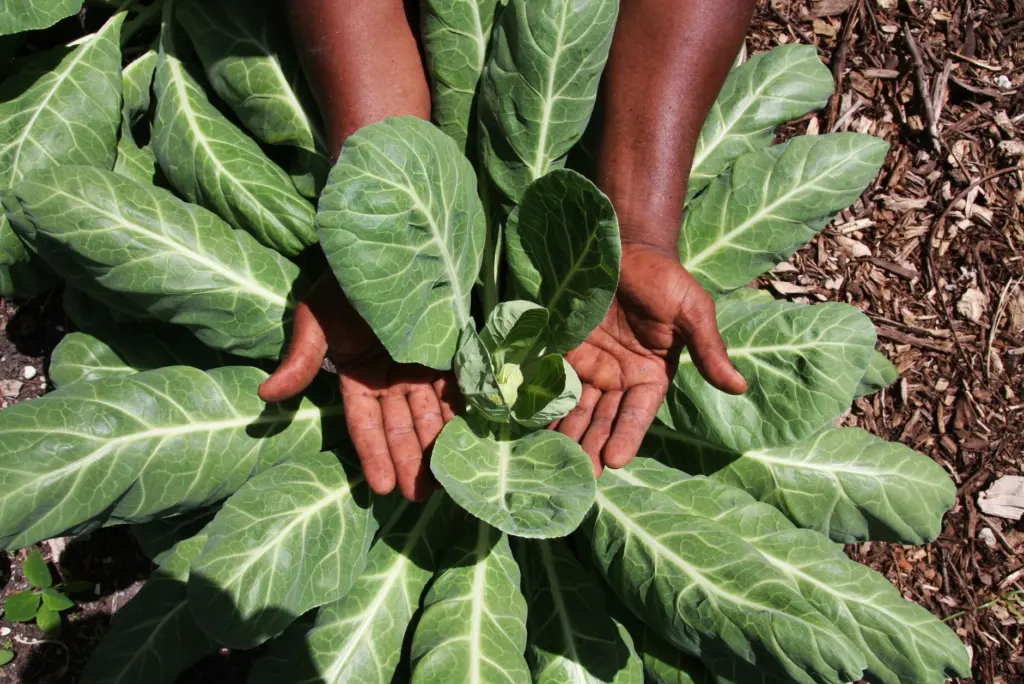
When you order in a restaurant, gomen usually joins other dishes on a shared platter. The image below shows that setup with lentils and injera alongside the greens. Build your own table the same way at home: one spicy main, the greens, and another dish or two to share.
For travellers, this is also the easiest way to taste gomen: order it as one part of a shared meal, and match it to the spiciest dish on the table.
Variations to try
Because recipes differ, you can steer the dish toward the flavor you like.
- Beef-braised: cook the greens with beef for gomen besiga. Milk Street prefers the meatless pot, so start there if you are new to the dish and add beef when you want a heartier plate.
- Turmeric, paprika and lemon: Recipes That Fit cooks the collards with chopped onion and seasons them with garlic, turmeric, paprika and freshly squeezed lemon juice. This suits cooks who want a more golden, citrus-lifted bowl instead of a ginger-and-chili one.
- Ginger and jalapeño: the Spin the Globe style builds heat from de-seeded jalapeños and keeps garlic and ginger as the aromatics. It suits anyone who wants warmth without a long spice list.
- Richer fat: Milk Street’s cooks use Ethiopian butter for depth, while Spin the Globe leaves the choice between oil and some butter to the cook. Oil keeps the dish plant-based; butter adds richness.
Pick one direction at a time. Changing the fat, the spice blend and the greens in a single batch makes it hard to tell what improved the pot.
More food guides for the road
If gomen has you planning a trip around the table, the guide Taste Of Peru: A Friendly Guide To Traditional Peruvian Food In 2026 covers another country’s staple dishes, and Taste of Argentina: A Friendly Guide to Traditional Argentine Food (Classic Dishes, Ingredients, and Where To Try Them in 2026) does the same for Argentina.
Frequently asked questions
| Question | Answer |
|---|---|
| Can I use kale instead of collard greens? | Curly kale will work, but Milk Street advises cutting the greens’ cooking time to 15 to 20 minutes. |
| What replaces Ethiopian butter? | Indian ghee is a reasonably good substitute and easier to find. Without ghee, Milk Street suggests salted butter plus 1 teaspoon of white miso added with the broth. |
| How many people does one pot feed? | Both the Milk Street and Spin the Globe recipes make 4 servings. |