Vegan Ethiopian food offers bold spice, rich textures, and plant-based variety. Readers can learn key dishes, pantry staples, and simple cooking steps. The guide shows where to eat, what to buy, and how to cook common recipes. It uses clear advice and practical tips for home cooks and diners.
Key Takeaways
- Vegan Ethiopian food features bold spices and plant-based ingredients centered on grains, legumes, and vegetables, making it naturally vegan-friendly.
- Staple dishes like misir wat, kik alicha, shiro, and atakilt alicha use pantry essentials such as teff flour, lentils, split peas, and berbere spice for authentic flavors.
- Home cooks can recreate vegan Ethiopian recipes by using simple ingredient swaps like curry powder for berbere or flatbread for injera while preserving taste and texture.
- Restaurants commonly offer vegan options including lentil stews and vegetable plates, but it’s best to confirm vegan choices in advance.
- Cooking tips include toasting spices, slowly sweating onions, and fermenting injera batter briefly to develop rich aromas and tangy flavors.
- Enjoy vegan Ethiopian meals socially by sharing multiple small dishes with injera or rice, using hands or cutlery for an authentic experience.
Why Ethiopian Cuisine Is Naturally Vegan-Friendly
Ethiopian cuisine often centers on grains, legumes, and vegetables. Injera serves as a neutral base and a utensil. Many traditional stews use lentils, chickpeas, and split peas. People season those stews with berbere and niter kibbeh or oil. Church fasting days led cooks to develop many meat-free recipes. That history made vegan Ethiopian food common in households and restaurants.
Chefs often layer flavors with toasted spices. Cooks roast and grind cumin, coriander, and fenugreek. They mix those spices with garlic and ginger. Berbere adds heat and depth to vegetable and legume dishes. Simmering allows those spices to infuse pulses and greens. Diners then scoop the stews with injera and taste multiple textures in one bite.
Markets supply teff flour, pulses, and fresh greens. Teff gives injera its sour tang and light texture. Buyers can use wheat or sorghum blends if they cannot find teff. Sellers also offer berbere, mitmita, and niter kibbeh alternatives. Those pantry items let cooks reproduce classic flavors at home. Many cooks adapt recipes to keep them vegan while preserving the original taste.
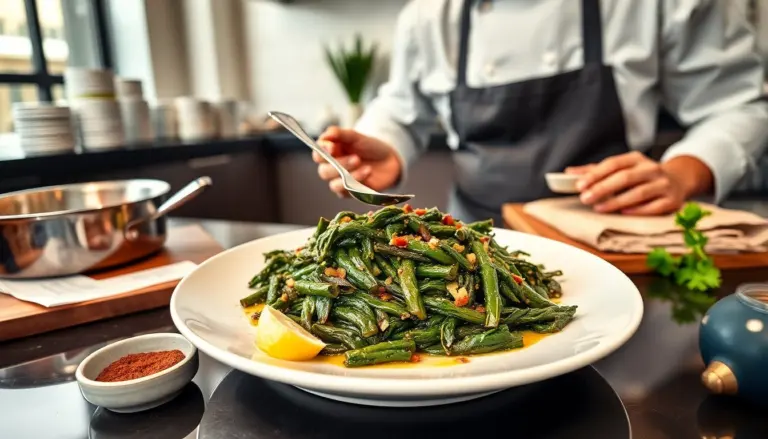
Beyond pulses and flatbread, seasonal vegetables and leafy greens are prominent in Ethiopian home cooking. Dishes such as gomen (braised collard greens), atkilt (braised cabbage and root vegetables), and fresh tomato salads accompany the heavier stews, providing balance and texture. The structure of meals—several small plates shared communally—makes it easy to assemble a fully vegan spread without special modification.
Understanding the role of fasting and religious tradition clarifies why many recipes are meat-free by design. During fasting periods, households created rich, satisfying dishes using only plant-based ingredients; those approaches persist year-round. This cultural context explains why vegan Ethiopian food is not just a modern adaptation but a deep-rooted part of the cuisine.
Essential Vegan Ethiopian Dishes And Pantry Staples
People should start with staple dishes to learn vegan Ethiopian food. Misir wat is a red lentil stew that uses berbere and onion. Kik alicha is a mild split pea stew that uses turmeric and garlic. Shiro is a pureed chickpea or broad bean dish that cooks with berbere or mild spices. Atakilt alicha is a vegetable stew with cabbage, carrots, and potato.
Cooks need a short pantry list to make these dishes. They should stock teff flour, red lentils, split peas, and chickpeas. They should buy berbere, mitmita, and ground cardamom. They should keep garlic, ginger, onions, and oil on hand. If they prefer a buttery flavor, they should use vegan niter kibbeh or plain oil.
Cooks can make simple swaps when ingredients are scarce. They can use brown rice or flatbread if they lack injera. They can use curry powder and smoked paprika if they lack berbere. They can use canned lentils or dried pulses depending on time. Those swaps let cooks maintain flavor and texture while using local items.
Restaurants and home cooks both serve fresh greens and salads. They often pair the stews with tomato salad or collard greens. Diners receive many small portions on the injera. That format helps people taste multiple dishes in one meal.
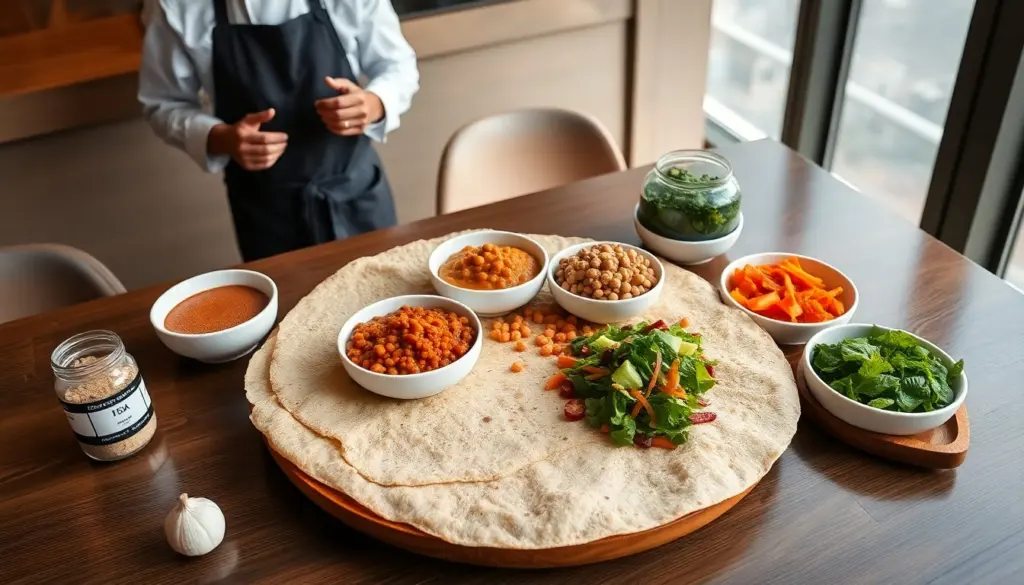
Other frequently seen dishes include ful (stewed fava beans), azifa (green lentil salad), and beyaynetu (a mixed platter of several vegetable and legume dishes served on injera). Learning two or three of these staples gives a good foundation: misir wat for heat, shiro for creaminess, and atakilt or gomen for vegetal contrast. Stocking a basic spice kit and a few types of pulses allows you to turn out a wide range of vegan Ethiopian food with minimal fuss.
When shopping, look for single-origin teff or labeled gluten-free teff if dietary restrictions matter; otherwise, teff/wheat blends work well for practice. Pre-mixed berbere is convenient, but blending your own lets you control heat and smoke levels—start mild and adjust as you become more comfortable with the flavor profile.
How To Enjoy And Cook Vegan Ethiopian Food: Where To Eat, Key Tips, And Simple Recipes
People can find vegan Ethiopian food at community restaurants and markets. Diners should call restaurants to confirm vegan options. Many Ethiopian restaurants list lentil stews and vegetable plates as vegan. Market vendors sell ready-made injera and stew containers for takeout.
Home cooks should follow a few simple tips. They should toast whole spices briefly to increase aroma. They should sweat onions slowly to build a sweet base. They should add berbere in stages to control heat. They should simmer lentils until they soften and absorb the sauce. They should rest injera batter for a short fermentation to gain tang.
Simple misir wat recipe: Heat oil. Sauté chopped onion, garlic, and ginger. Add berbere and tomato paste. Stir for one minute. Add washed red lentils and water. Simmer until lentils become tender and thick. Season with salt and lemon juice.
Simple shiro recipe: Heat oil. Sauté onion and garlic. Add shiro powder or ground chickpeas. Add berbere if desired. Pour water slowly and whisk to avoid lumps. Simmer until the mix thickens. Finish with lemon juice and chopped cilantro.
Beyond those simple recipes, a few technique notes improve results: always rinse dried lentils and peas to remove dust, use a heavy-bottomed pot to prevent sticking, and taste as you cook—acid from lemon or tomato can brighten a dish near the end. For injera, keep the batter consistency like a thin pancake batter; if you cannot ferment it long, a touch of yogurt or a mild vinegar can help mimic the tang.
Storage and reheating: Many stews develop deeper flavor after a day in the refrigerator. Store stews airtight and reheat gently on the stovetop, adding a splash of water to loosen thickness. Injera stores poorly when wet; if you buy or make extra, keep it wrapped and reheat briefly in a dry skillet or steam to refresh softness.
Where to eat: Look for Ethiopian restaurants that offer a “vegan combo” or beyaynetu, and ask staff about niter kibbeh (clarify if it’s vegan or made with oil). Community markets and food co-ops often sell teff, berbere, and ready-made injera, and food festivals are good opportunities to sample diverse vegan Ethiopian food in small portions.
Presentation and etiquette: Serve several small bowls of stews and salads arranged on a large piece of injera, or offer rice for those who prefer it. Encourage communal sharing—using the injera to scoop food is traditional, but forks and spoons are perfectly acceptable. Label dishes that contain heat or allergens, and offer milder options for guests sensitive to spice.
With modest equipment and a short pantry, home cooks and diners can enjoy the layered flavors, textural contrasts, and social dining experience that make vegan Ethiopian food both accessible and deeply satisfying.