W trek patagonia is a classic trek in Torres del Paine National Park. The guide lists what hikers should expect, how to plan, and sample 3–5 day itineraries. It focuses on practical details for English-speaking visitors. The guide uses clear steps, simple advice, and direct gear recommendations. Hikers will find timings, permit notes, and safety tips they can use immediately. The information below expands on daily pacing, realistic time windows, options for lodging vs camping, and on-the-ground tips that help you make the most of the route without unnecessary risk or expense.
Key Takeaways
- The W trek Patagonia offers stunning mountain, glacier, and lake views along a moderately challenging route suitable for hikers with basic fitness.
- Planning is essential: book park permits, refugios, campsites, and boat tickets in advance, especially during peak season to secure your spot.
- Pack practical gear including waterproof clothing, trekking boots, sun protection, and emergency supplies to handle sudden weather changes safely.
- Choose from 3–5 day itineraries that balance hiking intensity and sightseeing, allowing flexibility based on your pace and interests.
- English is widely understood at major refugios, but learning basic Spanish phrases helps enhance communication in remote areas.
- Arrive early to organize transport and gear, reserve boat and bus rides on moving days, and prepare for varied costs with early bookings to save money.
Quick Overview — What To Expect On The W Trek (Scenery, Difficulty, Best Time)
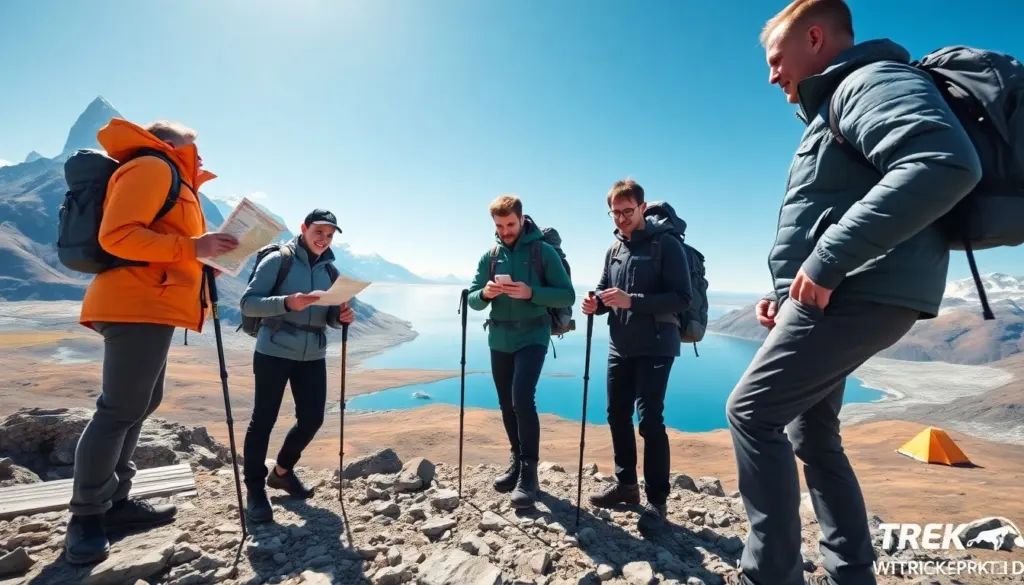
The W trek patagonia delivers sharp mountain views, blue glaciers, and wide lakes. Hikers will see the Towers (Torres), the French Valley, and Grey Glacier along the route. The trail crosses mixed terrain. They will walk on gravel, dirt, and some steep rock. The route favors moderate fitness. A hiker who trains with hill walks will manage most sections.
Scenery changes quickly: open steppe, lenga forest, steep scree, and panoramic ridgelines all occur in single days. Photo opportunities are frequent—sunrise on the Towers viewpoint, reflections on Calm Lake sections, and glacier ice textures at Grey—so build time into each day for stops and short detours to viewpoints.
The W trek patagonia varies by season. Spring (October–November) brings lower crowds and wildflowers. Summer (December–February) gives long daylight and warmer daytime temperatures. Fall (March–April) gives clear skies and color. The park opens year-round, but services shrink in winter. Peak season runs roughly December–February, when refugios fill and boat crossings are busiest; shoulder months offer quieter trails but fewer service options.
The difficulty stays moderate to hard on some days. Hikers face wind and sudden weather shifts. They should carry layers, waterproof gear, and sun protection. The main climbs include the Torre base and the French Valley approach. Both require steady pacing and breaks. Expect full days of 6–10 hours on the trail for the longer sections; short, steep stretches (for example the final ascent to the Torres viewpoint) concentrate effort into steep, rocky terrain that rewards persistence.
The W trek patagonia needs planning for lodging or camping. Many hikers book refugios or campsites months ahead for peak season. The trail offers clear markers and frequent viewpoints. Hikers who keep a steady daily distance will enjoy the highlights without rushing. The route remains one of the most accessible long hikes in Patagonia. Consider contingency plans for bad weather: flexible reservations, extra food for a spare day, and the ability to switch to a shorter exit route if necessary.
Sample Itineraries: Practical 3‑Day, 4‑Day, And 5‑Day Plans With Key Stops
3‑Day Itinerary (compact)
Day 1: Hikers start at Laguna Amarga or Pudeto. They walk to the Torres viewpoint (Torre Base). Plan 4–6 hours one way depending on start point and pace. They return to camp or refugio near the towers. Total 6–10 miles, many steep sections. Suggested timing: start before dawn for cooler winds and best light at the viewpoint.
Day 2: Hikers move to the French Valley sector. Typical plan includes hiking to the base of Valle Francés and climbing to the main viewpoint on a day loop. Expect 7–10 hours if adding the viewpoint; consider leaving heavy packs at the refugio if permitted. They camp or stay at a refugio near Paine Grande. Total 8–12 miles.
Day 3: Hikers walk to Grey Glacier viewpoint. This day often includes the hike along the Grey lake shore and optional short boat transfer if available. They return to the park exit by boat or bus from Pudeto. Total 7–11 miles. Allow extra time for boarding the boat and for weather-related delays.
This 3‑day plan suits hikers with limited time. It prioritizes the main photo points and needs early starts. It is physically demanding; pack light where possible and use trekking poles to conserve energy on descents.
4‑Day Itinerary (balanced)
Day 1: Hikers enter at Laguna Amarga and reach central campground or refugio. They cover the Torres approach and spend the night close enough to the trailhead for an early start the next day.
Day 2: Hikers cross to the French Valley. They add the Valle Francés viewpoint and return to Paine Grande area. If weather prevents the full ascent, the valley floor still offers dramatic views with shorter effort.
Day 3: Hikers transfer to Paine Grande and hike toward Grey Glacier viewpoint. This day can include an afternoon rest at the lake to shorten the next day and to account for boat schedules.
Day 4: Hikers take the Grey boat return and exit the park. Building in a half-day for the final transfer reduces stress and provides buffer time for late departures or crowds.
This 4‑day plan balances effort and recovery. It keeps daily distances steady and leaves time for weather delays. It’s a good option for hikers who want solid time at each highlight without the push of the 3‑day option.
5‑Day Itinerary (relaxed)
Day 1: Hikers reach the Torres base and rest near the towers. Use the afternoon to acclimate and check gear; short warm-up walks help shake out legs.
Day 2: Hikers move to the central valley and rest at a refugio. Keep the day light and use it to reorganize packs and resupply small items if available.
Day 3: Hikers climb into the French Valley and return to Paine Grande. Break the ascent with scenic stops and allow time for photography and snacks.
Day 4: Hikers do an extended walk toward Grey Glacier and view the glacier from the shore. Consider a guided short boat outing (if scheduled) to see icebergs up close—this requires prior booking.
Day 5: Hikers return by boat and exit via Pudeto or take a final short hike to a scenic lake. Leaving a final morning for a short walk gives a relaxed finish and extra margin for bus connections.
This 5‑day plan gives time for slow pace, extra photos, and short side hikes. Hikers can swap nights between refugios and campsites depending on availability. Each itinerary above names the W trek patagonia highlights and keeps daily mileage realistic for moderate hikers. If you prefer more solitude, use shoulder seasons or early/late starting times on trail sections to avoid peak crowds at viewpoints.
Logistics, Permits, Gear, And Safety Tips For English‑Speaking Travelers
Permits and bookings
Hikers must pay the Torres del Paine park entrance fee. They must book refugios or campsites in advance for high season. Some campsites accept same-day arrivals in low season, but services limit in shoulder months. Boat crossings on the Grey and Pudeto routes require separate tickets. Hikers should confirm bookings and carry printed or digital receipts. Practical booking tips: check cancellation policies, note the check‑in and check‑out times for refugios, and stagger reservations to allow alternate exit points if weather forces a change.
Gear essentials
Hikers need a sturdy backpack, waterproof jacket, warm insulation, and trekking boots. They need a sleeping bag if they camp. They need a headlamp, water filter or tablets, and sun protection. They should pack food for gaps between services. Hikers should use poles for steep descents. A small first aid kit and blister care will prevent many issues. Additional useful items: lightweight gaiters for scree, a dry bag for electronics, spare socks, and a compact repair kit for boots and tents. For refugio stays, a thin sleeping liner can increase warmth and hygiene.
Language and navigation
English works at major refugios and tour desks. Hikers should learn a few Spanish phrases for remote staff and rangers. Trail signs mark distances and directions. Hikers should carry a simple paper map and a charged phone with offline maps. They should download park maps before arrival. Basic map-reading skills help when wind or fog affect visibility—know the key junction names (Paine Grande, Italiano, Chileno, Pudeto) so you can confirm your route at waypoints.
Safety tips
Hikers must respect weather. They must stop when winds exceed safe levels. They must keep to marked trails and avoid glacier edges. They should tell a refugio or ranger their plan and expected return time. They should carry emergency cash and ID. In case of injury, the park has rescue coordination, but response time can vary. Specific safety practices: monitor weather forecasts daily, shelter from sudden squalls (look for windbreaks or refugio access), and avoid solo day hikes in exposed sections. If you rely on devices for navigation, bring power banks and know basic offline fallback options (compass and map).
Transport and timing
Most hikers use buses from Puerto Natales or Torres del Paine lodging. Some hire a private transfer. Travel times vary by road and season. Hikers should arrive one day before to check gear and supplies. They should reserve boats and bus seats on moving days to avoid delays. When planning arrival and departure, allow buffer time for slow roads, ferry schedules, and park checkpoints—this prevents missed connections and reduces stress on moving days.
Budgeting tips
Hikers should expect park fees, accommodation, boat fares, and food costs. The W trek patagonia has both low-cost and premium options. Hikers who book early usually save money and secure preferred sleeping spots. This approach helps them focus on the trail and the views. To save: bring some packaged meals, share group cookware if camping, and compare multi-day refugio packages versus nightly bookings. Remember that paying slightly more for flexible cancellation or refundable boat tickets can be worth the peace of mind during unpredictable weather.