| Factor | What is supported | Planning use |
|---|---|---|
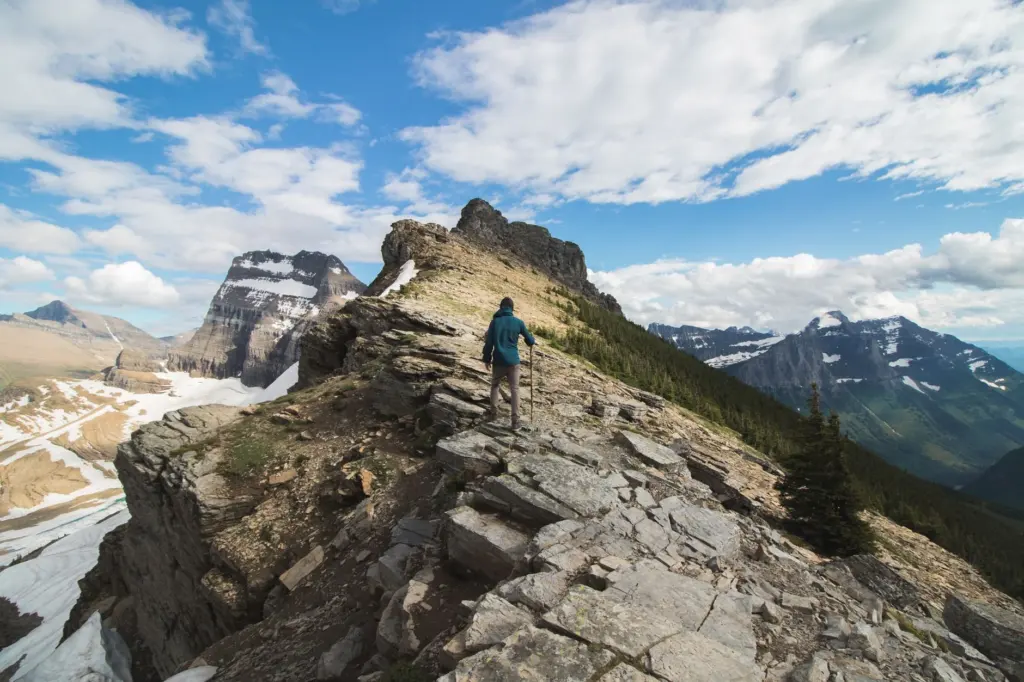
| Exposure | Narrow trail, not for people with a fear of heights | Choose a lower-exposure hike if heights bother you; this trail is not the place to test your nerves. |
| Shade and water | Both limited on Highline | Carry extra water and plan for long stretches without shade. |
| Season | Many places in the park open only from late June or July to September; hazardous snow can linger well into summer | Aim for the July-to-September window and check trail status before you commit to a date. |
| Crowds | July and August are peak months; fall can bring more solitude | Start early in peak months, or consider fall for a quieter day. |
| Bears | Black and grizzly bears are present; rangers recommend carrying bear spray | Carry bear spray and make noise on blind corners. |
Figures and conditions in the table come from American Field Trip’s Glacier guide and the Glacier Park Collection hiking page.
The best hike in Glacier National Park is the Highline Trail, a narrow, exposed route that suits confident hikers who are comfortable with heights. Go in the July-to-September window, after snow has cleared.
If you are still choosing a region before choosing a trail, the best adventure travel destinations guide puts Glacier in context with other trips.
Why the Highline Trail is the pick
Highline earns the top spot because it is the hike most often held up as the park’s defining day out. A day-hiking guide by an author who hiked all 734 miles of trail in Glacier starts with the Highline Trail, saying it embodies what makes Glacier so unique.
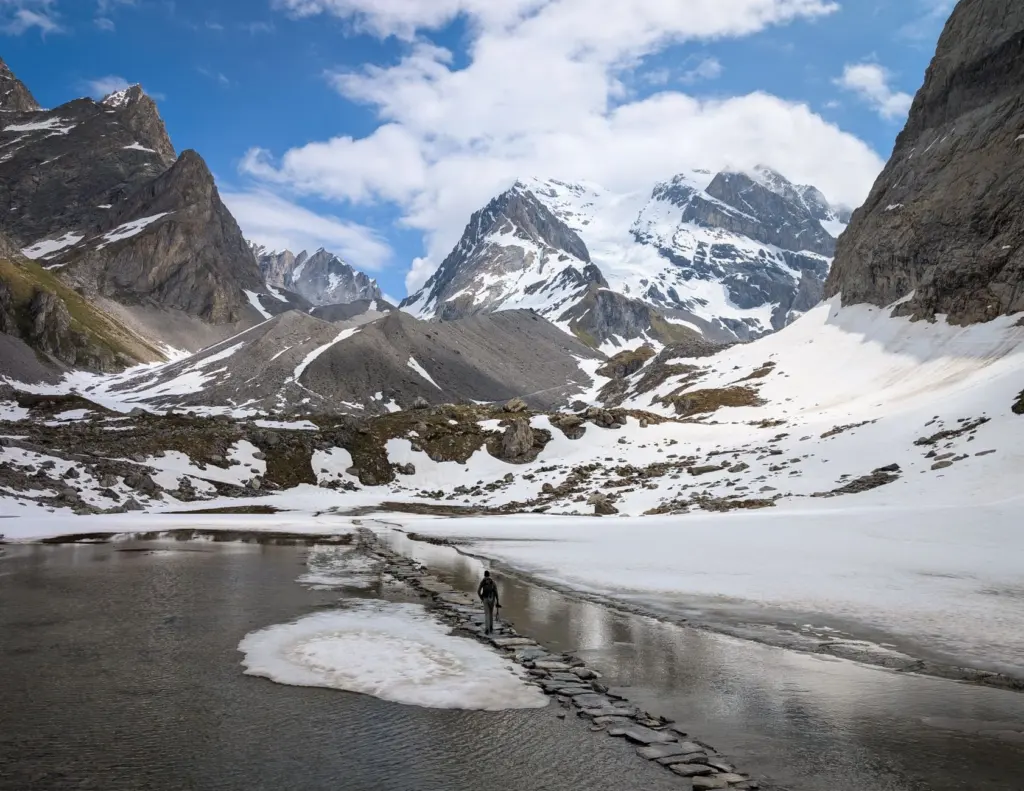
That is one guide’s ranking, not an official designation, so the choice also rests on trade-offs. Highline gives you the most characteristic scenery in the park, but it asks for a head for heights and careful water planning. If those two conditions suit you, it is the single trail worth building a day around. If they do not, the alternatives below are better matches than forcing it.
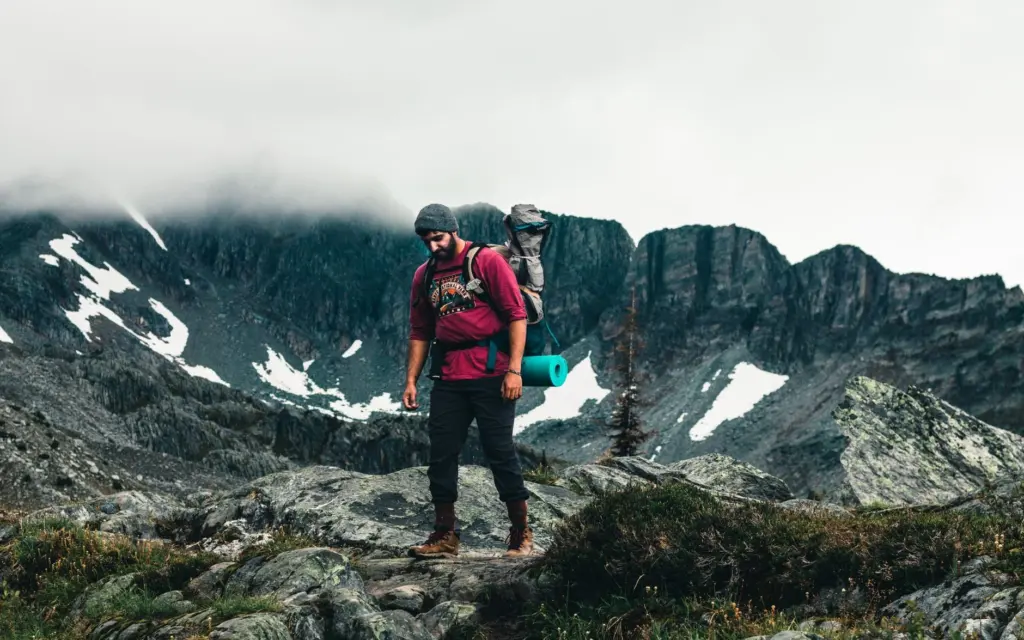
Highline suits hikers who:
- Are comfortable on narrow ground. The trail is described as narrow and not for the acrophobic, so a nervous companion can turn a great day into a stressful one.
- Can manage their own water. Shade and water are both limited here, which rewards people who plan ahead rather than improvise.
- Can pick their date. Flexibility lets you avoid snow-affected early summer and the busiest weeks.
Distance, elevation and difficulty
Difficulty on Highline comes mainly from exposure and logistics rather than from a single hard climb. The trail is narrow and shade and water are both limited, so the main demands are nerve, preparation and self-sufficiency. For the current length and elevation gain of the route you intend to walk, use the trail information at a visitor center, since rangers always recommend stopping by to check trail status before a hike.
Scale against other Glacier hikes
Other popular hikes show what a big Glacier day looks like. These figures come from a Many Glacier hiking guide and from American Field Trip:
- Grinnell Glacier: 10 miles (16.1 km) round-trip, a full day for most people.
- Iceberg Lake: 9.6 miles (15.4 km), but the trail is closed frequently because of bear activity, so keep a backup plan.
- Grinnell Lake: 7 miles, described as easy with relatively little elevation gain, though the Many Glacier guide notes about 1,000 ft of gain in the final mile. Treat the effort as moderate at the end and check conditions before you set out.
- Ptarmigan Tunnel: the tunnel sits at 7,200 ft elevation. That is its height above sea level, not the total climb, so do not read it as gain.
Pick Grinnell Lake if exposure rules out Highline and you want a shorter outing. Pick Grinnell Glacier if you want a longer day without a narrow trail as the main hazard. Choose Iceberg Lake only if you can be flexible about the day.
When to go
The reliable window is July to September, and the main limit is snow. American Field Trip notes that many places in the park are accessible only from late June or July to September. Glacier Park Collection warns that some trails may have hazardous snow cover well into the summer months. On a narrow, exposed trail, snow is a real hazard rather than a nuisance, so an early-season attempt calls for caution and a trail status check first.
July and August are peak visitation months and the park can get extremely busy. That suits hikers who want the most dependable access, but you will share the route and the parking. A fall visit can mean more solitude and maximum accessibility. Choose fall if crowds bother you more than the chance of colder, shorter days, and confirm trail status before you travel.
Getting to the trailhead and permits
Parking is the practical pinch point. The guide to Going-to-the-Sun Road reports that parking lots fill up fast along this road, and a free shuttle bus is available. If you want a full day on the trail, treat an early start or the shuttle as part of the plan rather than a backup.
Permits matter mainly if you plan to camp. Backcountry permits can be obtained at any visitor center or wilderness office, and most campgrounds open in late May or early June. For a day hike, check current requirements at the same time you check trail status, because conditions and rules can change by trailhead and season.
Bears and safety on the trail
Grizzly bears are a genuine consideration here. Black and grizzly bears both occur in the park, and park rangers recommend carrying bear spray while hiking. Glacier Park Collection advises you not to surprise bears: call out, clap your hands and make noise, and never approach one.
On a narrow trail with limited sightlines, noise is the cheapest protection you have. Keep your spray where you can reach it quickly, not buried in your pack. Rangers also advise stopping by a visitor center to check trail status before each hike, and bear activity is one reason trails close.
Planning a wider trip
Once you have a Glacier day sorted, similar logic helps elsewhere: match exposure, season and access to the group. For another glacier-focused outing, see Iceland Glacier Hike: The Essential 2026 Guide To Safely Exploring Ice Giants. For a mountain base with adventure, wine and scenic escapes, 25 Best Things To Do In Queenstown, New Zealand (2026): Adventure, Wine & Scenic Escapes covers a different style of trip.
Frequently asked questions
How much trail is there to choose from?
Glacier has over 700 miles of trails, so a ranked pick helps narrow the choice.
How do I get trail closure alerts?
According to the Many Glacier hiking guide, you can text GNPTRAILS to 333111 to be notified of any trail closures.
Do I need a ticket for the Many Glacier shuttle?
The same guide says that during 2025 construction, Many Glacier hikers needed a shuttle ticket from recreation.gov and a valid park entry pass, either park-specific or an America the Beautiful Pass. That applied to Many Glacier only.
How long does it take to drive through the park?
The trip along Going-to-the-Sun Road takes about 90 minutes, depending on traffic.