| Option | Listed details | Planning use |
|---|---|---|
| Crevasse Labyrinth, Skaftafell | All year, 4 hours, Easy, from 141 USD | The gentlest year-round starting point for a first glacier walk |
| Blue Ice Cave and glacier hike, Skaftafell | Oct–April, ~4 hours, Easy, from 181 USD | Suits winter trips; the cave element is tied to the cold season |
| Glacier Explorer, Skaftafell | 5.5 hours, Moderate, from 165 USD | A step up in time and effort once you are comfortable on ice |
| Sólheimajökull Glacier Discovery and Glacier Exploration | 3.5 hours and 5.5 hours | Short or longer walk on an easily reached outlet glacier |
| Sólheimajökull ice climbing | ~5.5 / 13 hours (Sólheimajökull / Reykjavik), Moderate, from 214 USD | For fitter visitors who want technical ice; check which departure point you are booking |
Durations, difficulty grades and from-prices come from the operator listings at Adventures.is and Mountain Guides.
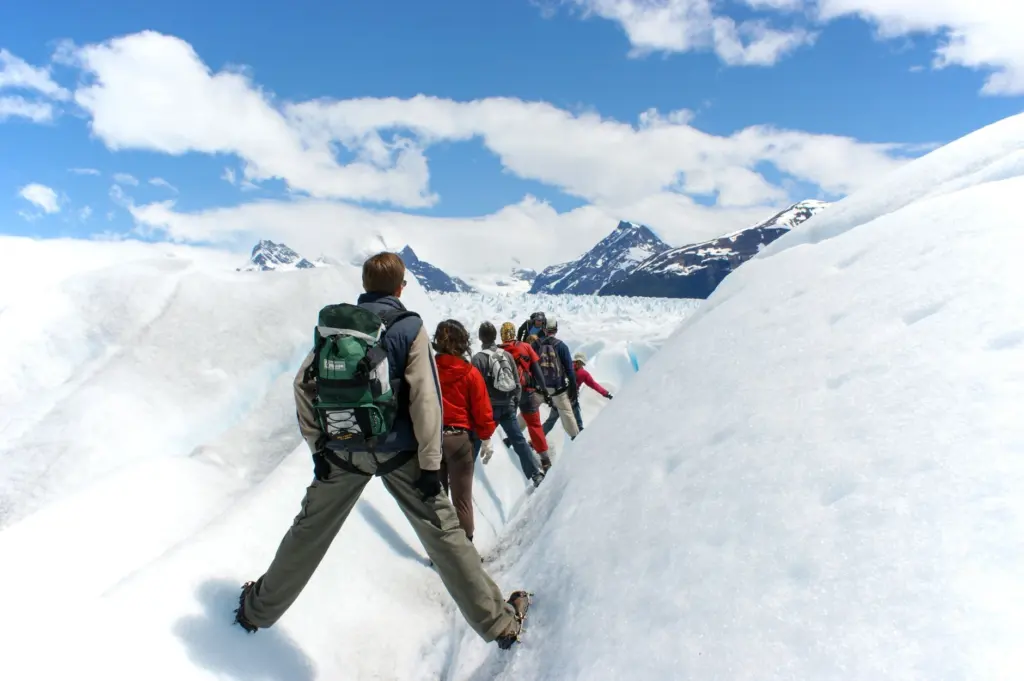
An Iceland glacier hike in practice means a guided one: glacier walking is only allowed with an expert guide, so the real decisions are which glacier, which season and how demanding a tour you can handle.
The glacier you choose, the month you travel and the grade you book shape the whole trip, and the sections below turn each into a decision. If you are still choosing where to go next, our list of best adventure travel destinations puts Iceland alongside other trips.
What the guide requirement means for your plans
Can you hike a glacier in Iceland without a guide? No. Adventures.is states that glacier walking is only allowed with an expert guide, so booking a tour is the way onto the ice, not an optional extra. Operators such as Mountain Guides describe their walks as led by experienced and certified glacier guides.
That changes how you plan. You are choosing a tour, not mapping your own route, and the useful questions are about the tour itself:
- Pick the guide company first. Look for tours led by certified glacier guides, then match the glacier and time of year to what the company runs.
- Read the grade honestly. Listings label tours Easy or Moderate, and one full-day Skaftafell tour with no set route is marked for experienced hikers only. If you have never worn crampons, start with an Easy-rated walk.
- Follow the guide’s line, not a photo’s. A visitor account of a Sólheimajökull tour notes that crevasses appear all the time on the surface and can be dangerous, so staying on the guide’s route is the sensible default.
Matching glaciers to skill level
Iceland has many glaciers, but only a few come up repeatedly in guided tour listings. The right one depends on how much time, fitness and ice experience you bring.
Sólheimajökull: the usual first glacier
Adventures.is describes Sólheimajökull as an easily accessible outlet for hiking and ice climbing. Mountain Guides runs a 3.5-hour Glacier Discovery and a 5.5-hour Glacier Exploration there. Guide to Iceland lists another Sólheimajökull hike at 4 hours with a Moderate rating. For a first visit, the shorter walk is the sensible choice; take the longer one if you already know you enjoy cold, uneven ground.
The same operator says its combined Sólheimajökull hike and ice climbing is best suited to guests who are reasonably fit and comfortable on uneven, icy terrain. If you tire quickly on rough ground, walk first and add climbing on a later trip.
Skaftafell: a ladder of grades
Skaftafell tours show the grade system well. Guide to Iceland lists a Skaftafell glacier hike of 3.5 hours rated Easy and a longer one of 5 hours rated Moderate. This makes Skaftafell a good pick if you want to start easy and decide on the day whether to go longer.
Vatnajökull: scale first, then the right format
Vatnajökull is Europe’s largest ice cap with at least 30 outlet glaciers, according to Adventures.is. Its size is why it suits motorised and guided formats as well as walking. One operator lists a Vatnajökull snowmobile tour of 3 to 3.5 hours, running April to September, at 29,500 ISK. That suits visitors who want to cover ground on the ice without a long walk.
Langjökull: for a ride rather than a long walk
Langjökull is Iceland’s second-largest ice cap and is described as ideal for snowmobiling. Choose it if you want a motorised glacier day rather than a long walk in crampons.
Experienced hikers
If you already travel confidently on rough terrain, the full-day Skaftafell tour marked for experienced hikers only is the clearest step beyond the standard grades. Even then, it remains a guided tour.
Choosing a season
When is the best season? It depends on what you want to see, because glacier hiking and ice climbing run all year round, according to Adventures.is. There is no single best month; each season trades one thing for another.
- Winter for blue ice caves. The Skaftafell Blue Ice Cave and glacier hike runs October to April. The same source warns that winter weather can be harsh and limit what visitors can do, so keep a spare day in the itinerary.
- Summer for flexibility, with a caveat. In summer you will not be able to visit as many natural ice caves, so choose a glacier walk or crevasse-focused tour rather than a cave tour.
- April to September for snowmobiling on Vatnajökull. The listed Vatnajökull snowmobile tour runs in those months.
- Year-round for crevasse walks. The Crevasse Labyrinth tour in Skaftafell is listed for all year, making it the safest fit if your dates are fixed.
Costs and what they buy
How much does a glacier hike cost? Listings give starting prices, and what raises the price is the extra element. On Adventures.is, the Easy Skaftafell walks and the Moderate Glacier Explorer sit at the lower end, the blue ice cave version costs more, and guided ice climbing departing Reykjavík is the most expensive listed, from 214 USD. The Vatnajökull snowmobile tour is priced in Icelandic króna on its operator’s site, so check the exchange rate before comparing it with the dollar-priced walks.
Treat a “from” price as the entry point for that tour. Where gear is supplied on the tour, you are paying for guiding and equipment together, and the price should not be read as a guide fee alone. Compare tours by duration and grade as well as price: a longer Moderate day and a short Easy day are different products, not rivals at different prices.
Gear: what to wear and what is supplied
What gear do I need? Wear what you can layer. Adventures.is recommends layers, thermal pants, a vest, a waterproof jacket, hiking boots and sunglasses. The same operator says ice crampons and helmets are essential for safety and are provided on its tours. Another listing says a Sólheimajökull hike group is equipped with a harness, crampons and an ice pick.
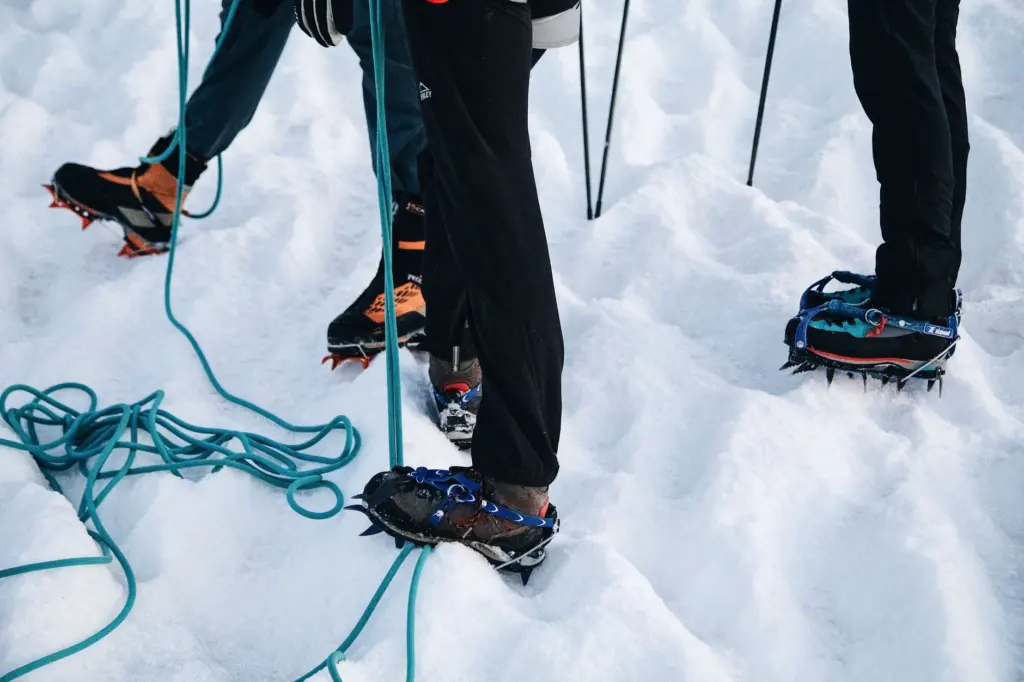
The practical result is that you should spend your packing effort on clothing, not on buying technical equipment. Bring sturdy hiking boots that you have already worn, since crampons are fitted over them, and keep sunglasses handy.
Hazards and how guided travel handles them
Crevasses are the hazard that shapes glacier travel. Because they keep appearing on the surface, a visitor account on Sue Where Why What calls them dangerous, which is why a route cannot be treated as fixed from one outing to the next. A guide who works on the ice regularly is the practical answer to that uncertainty.
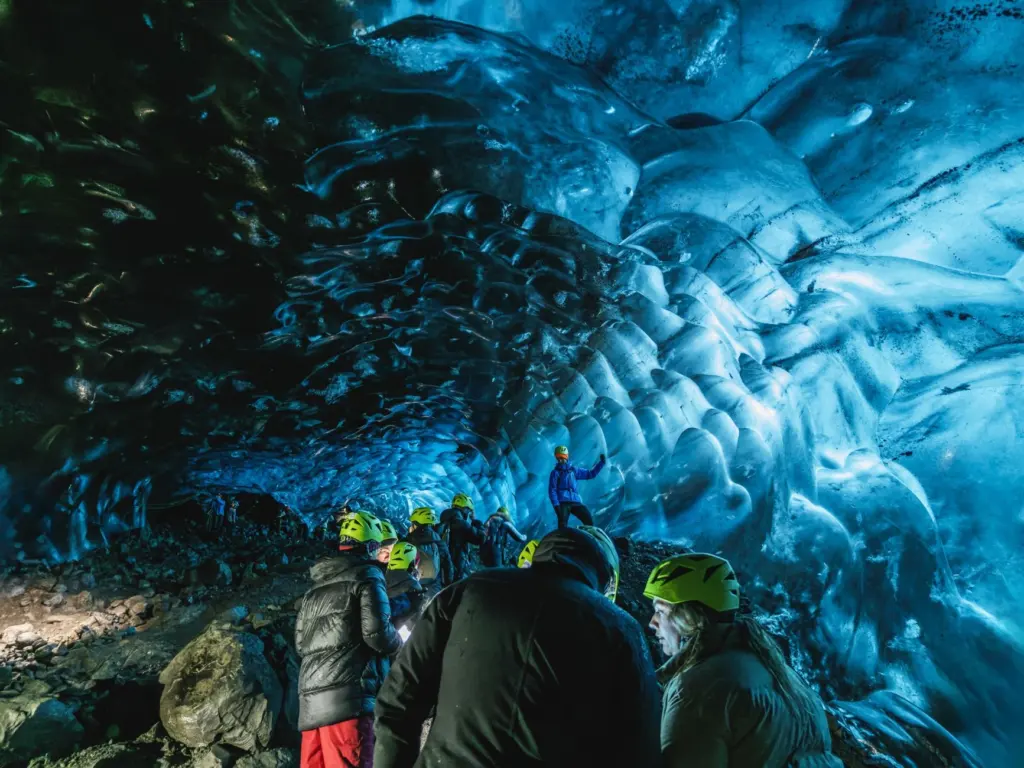
For you, this means three habits: stay within the group, keep to the guide’s chosen line, and treat cancellations for bad weather as part of the product rather than a failure. Keeping a flexible day in your schedule is worth more than a stricter itinerary.
Other trips to compare
If you are weighing glacier trips on different continents, The Best Hike In Glacier National Park: The Single Trail Worth Your Time In 2026 covers a self-guided alternative. For a very different kind of trek, Where Is Machu Picchu? The Complete Guide To Finding And Reaching Peru’s Iconic Lost City explains how to reach the Inca site.
Frequently asked questions
How long do you spend inside an ice cave on a Katla tour?
One listing says visitors spend 45 to 60 minutes in the ice cave area, so the cave is a short part of a longer day.
Is walking the only way onto a glacier?
No. A Langjökull tour combines snowmobiling with a walk through the world’s longest ice tunnel, and Vatnajökull has a snowmobile tour of its own.
How much of Iceland is covered by ice?
Iceland is 11% ice, according to Adventures.is, which is why so many different glaciers are open to guided visits.
Are glacier guides trained for emergencies?
A visitor account on Sue Where Why What reports that guides take part in rescue training every week.