| Condition | What you notice | Planning use |
|---|---|---|
| Travel above 8,000 feet | The elevation from which altitude illness is a risk worth planning for | Check the sleeping elevation of every night on your route before you book or commit. |
| AMS (acute mountain sickness) | Headache, tiredness, lack of appetite, nausea, vomiting; the mildest form | Treat it as a signal to hold your elevation rather than climb higher. |
| HAPE (high-altitude pulmonary edema) | Shortness of breath, weakness, cough | Move, or be moved, to a lower elevation immediately. |
| HACE (high-altitude cerebral edema) | Extreme fatigue, drowsiness, confusion, loss of coordination; rare but can cause death | Descent is mandatory if at all possible. |
Figures above come from the CDC travel guidance on high altitudes and the Wilderness Medical Society guidelines.
What is altitude sickness? It is illness caused by reduced oxygen availability at elevation, usually starting with headache, nausea and fatigue. Risk begins above 8,000 feet, and gradual ascent is the core defence.
Most trekkers only need to recognise the mild form and respect a few pacing limits. The rest of this guide turns those limits into decisions, and it fits into the wider question of how to plan an adventure trip.
Symptoms and what they mean for your day
Altitude illness runs from a nuisance to an emergency, and the practical question is which end of that range you are looking at. The symptoms below are the ones the CDC and the Wilderness Medical Society use to separate them.
Mild illness: AMS
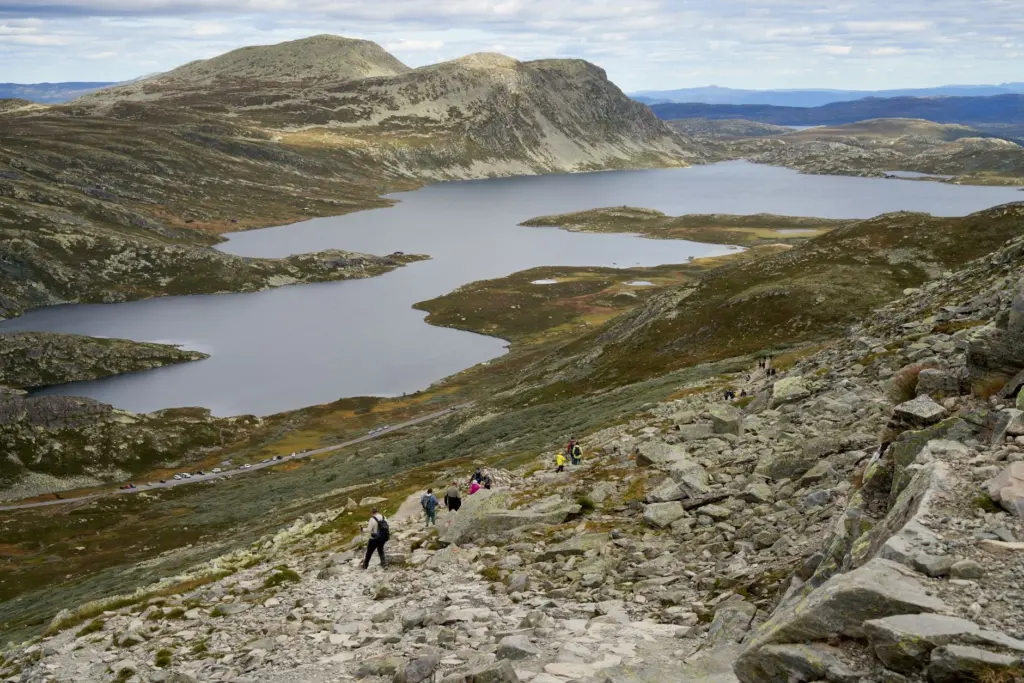
The CDC calls acute mountain sickness (AMS) the mildest form of altitude illness. Its symptoms are headache, tiredness, lack of appetite, nausea and vomiting. On a trek these are easy to dismiss as a hard day, a poor night or a bad meal, which is exactly why they matter. A headache that arrives after you have gained height deserves a pause, not a push to the next campsite.
A sensible response is to stay at your current elevation and avoid gaining more while the symptoms are present. If they fade, you can carry on at a more careful pace. If they build, the descent rules further down apply.
Lung and brain emergencies: HAPE and HACE
The two severe forms are different in what they look like and the same in what they demand.
- HAPE: shortness of breath, weakness and cough. The CDC says a person with this condition must immediately move, or be moved, to a lower elevation.
- HACE: extreme fatigue, drowsiness, confusion and loss of coordination. The CDC describes it as rare but able to cause death.
Confusion and clumsiness mean the affected person may not judge their own condition reliably. In a group, a companion should make the descent call rather than waiting for the sick person to agree.
Where the risk starts
The CDC advises planning for altitude illness if you travel above 8,000 feet. The University of Colorado Anschutz Medical Campus, in a high-altitude medicine physician’s guidance, says altitude sickness is rare in locations lower than 8,200 feet (2,500 m). Both figures point to a similar elevation range, so planning matters most once you travel above it.
That has a direct effect on route choice. A trek that stays low needs little altitude planning. A route that climbs through this range needs the pacing rules in the next section built into the itinerary, not added once you feel unwell.
Pacing your ascent
Gradual ascent is the main prevention measure, and the published limits are ceilings, not targets. Staying under them leaves room for a slow day.
- Above 9,000 feet: the CDC says to raise your sleeping elevation by no more than 1,600 feet per day.
- Above 8,200 feet: the Colorado physician guidance gives a limit of no more than 1,500 feet per day.
- Rest days: the CDC advises spending an extra day for every 3,300 feet you ascend.
- The cost of rushing: people who skip a gradual ascent are up to four times more likely to develop altitude sickness symptoms, according to the same university source.
The two daily limits come from different sources and start at different elevations. If you want one number to plan around, use the lower one, since the gap costs you little. Count the elevation you sleep at, not the highest point you touch on a day hike.
This is where fixed itineraries need care. When overnight stops are set in advance, as on hut-based routes like the one in W Trek Refugios: The Complete 2026 Guide To Choosing, Booking, And Staying On Patagonia’s Classic Route, compare each night’s sleeping elevation with these limits before you book. Build the medical items you may need into your kit list too, using the Overnight Backpacking Checklist: What To Pack For A Safe, Lightweight Trip (2026).
Medication and its limits
The CDC notes that medicines are available to prevent AMS and that the choice should be made with a doctor based on your medical history. Acetazolamide is the drug named in the Wilderness Medical Society guidelines, which say it can reduce the risk of developing AMS when ascent is rapid.
Treat it as an addition to slow pacing, not a replacement for it. Not everyone who takes it is protected, and it does nothing to make an unsafe itinerary safe. Raise it with a doctor well before departure, particularly if you have had altitude illness before or your route forces fast height gain.
When to descend
Descent is the decisive treatment for the severe forms. The Wilderness Medical Society guidelines state that for HAPE and HACE descent is mandatory, if at all possible. The CDC wording for HAPE is the same in practice: the person must immediately move, or be moved, to a lower elevation.
- Descend now: shortness of breath, weakness and cough suggesting HAPE, or confusion, drowsiness and loss of coordination suggesting HACE. Do not wait to see whether the night improves things.
- Hold and reassess: mild AMS symptoms such as headache, tiredness or nausea. Do not gain height while they persist, and go down if they worsen or new symptoms appear.
- Do not split the group carelessly: someone showing confusion or poor coordination should not descend alone.
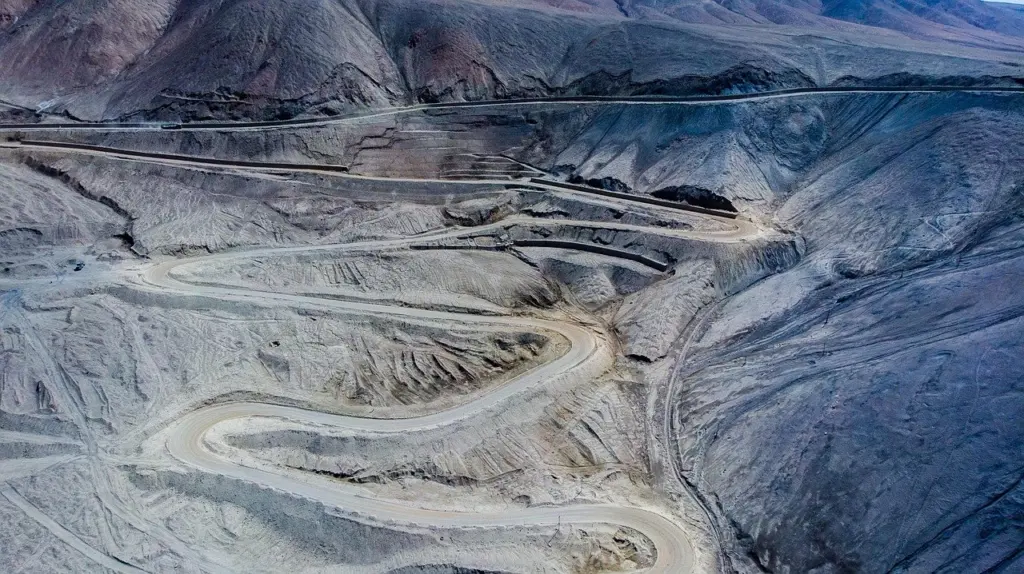
Know your descent route before you climb. If the quickest way to lower ground is a long walk, that should shape how far from it you let a group go once someone feels unwell.
Why thinner air causes it
The cause is oxygen availability. According to the Wilderness Medical Society guidelines, at 3,000 m the oxygen pressure in the air is only about 70% of the sea-level value, and at 5,000 m it is about 50%. The body has to adjust to that shortfall, and acclimatization is the process of doing so over days. That is why the rest-day and daily-gain limits work: they give your body time, which no amount of fitness can replace.
Frequently asked questions
How soon after ascent does AMS start?
The Wilderness Medical Society guidelines report onset within 12 hours of ascent in two-thirds of susceptible subjects, so the first evening at a new height is the time to watch closely.
What is the Lake Louise score?
It is a scoring system that grades five symptoms from 0 to 3. A headache together with a score of 3 or more represents AMS, according to the Wilderness Medical Society guidelines.
How many travelers get altitude sickness?
The University of Colorado Anschutz physician guidance says up to 75% of travelers above 9,800 feet (3,000 m) can be affected.