| Type of trip | Example and length | Operator activity level | Planning use |
|---|---|---|---|
| Trekking | Patagonia W trek, 12 days | 4 | Build up to consecutive long hiking days before booking. The highest rating among these examples. |
| Trekking | Tour du Mont Blanc Express, 8 days (the standard version is listed at 12 days) | 4 | A shorter itinerary keeps the same rating, so do not read fewer days as an easier trip. |
| Trekking | Grand Canyon and Sedona hiking tour, 4 days | 3 | A compact, mid-rated way to test whether multi-day hiking suits you. |
| Whitewater rafting | Middle Fork of the Salmon River, 8 days | 2 | A multi-day river trip with a lower effort rating. Check the rapid grade separately. |
| Multi-activity | Galapagos adventure cruise with hiking, snorkelling and kayaking, 9 days | 2 | A good fit if you want variety without one demanding discipline. |
Durations and activity levels above come from Mt Sobek’s list of must-do adventure trips. They are that operator’s own ratings, so compare them within one catalogue rather than across companies.
The main types of adventure travel are trekking, whitewater rafting, kayaking, cycling and bikepacking, and short thrill activities. The right one depends on your fitness, your skills and how much guiding you want.
Use this guide to narrow the field. Then turn to best adventure travel destinations to choose a place, or to adventure trip planning to sort out logistics.
How the main types differ
Adventure trips vary along three lines: the physical effort of each day, the technical skill the activity demands, and the support the operator provides. A trip can be demanding on one line and forgiving on another. A guided river run asks little technique from you but plenty of nerve. A self-led walking route asks little nerve but a lot of fitness and navigation.
- Effort: this is what operators try to capture with an activity level. Trekking and long cycling tours sit at the demanding end because the effort repeats day after day.
- Skill: rafting, kayaking, canyoneering and mountaineering reward technique, but guided formats let beginners take part by following instructions. Independent travel in the same activities needs real training first.
- Support: guided trips shift risk management and logistics to professionals. Self-guided formats shift them to you.
Keep these three lines in mind as you read the sections below. Each type is described by what it asks of you and who it suits, with the operator ratings, durations and listed prices that were available.
Land-based adventure types
Land-based trips cover the widest range of effort, from a four-day introduction to hiking to month-long cycling expeditions. They are also the types where fitness, rather than technique, usually decides whether the trip is enjoyable.
Trekking
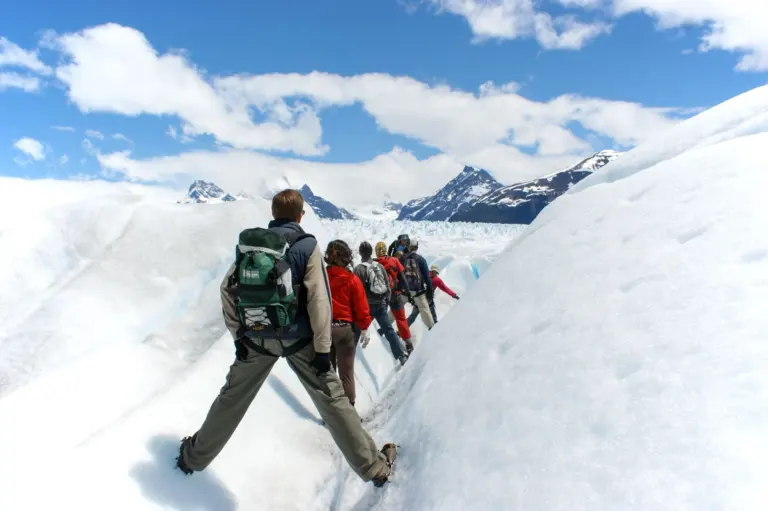
Trekking is multi-day walking through remote or mountainous terrain, usually carrying only what you need for the day or the full trip depending on the format. If you are unsure where it stops and ordinary hiking starts, the difference between trekking and hiking is worth reading before you choose a route.
In Mt Sobek’s examples, the 12-day Patagonia W trek and the 8-day Tour du Mont Blanc Express are both rated activity level 4, while the 4-day Grand Canyon and Sedona hiking tour is rated level 3. Two decisions follow. First, a shorter trek is not a gentler one, because the Express keeps the level 4 rating of the longer trek. Second, if you have never strung several hiking days together, the level 3 tour is the more sensible first booking. It tests your knees, feet and appetite for repeated days of walking before you commit to a longer route.
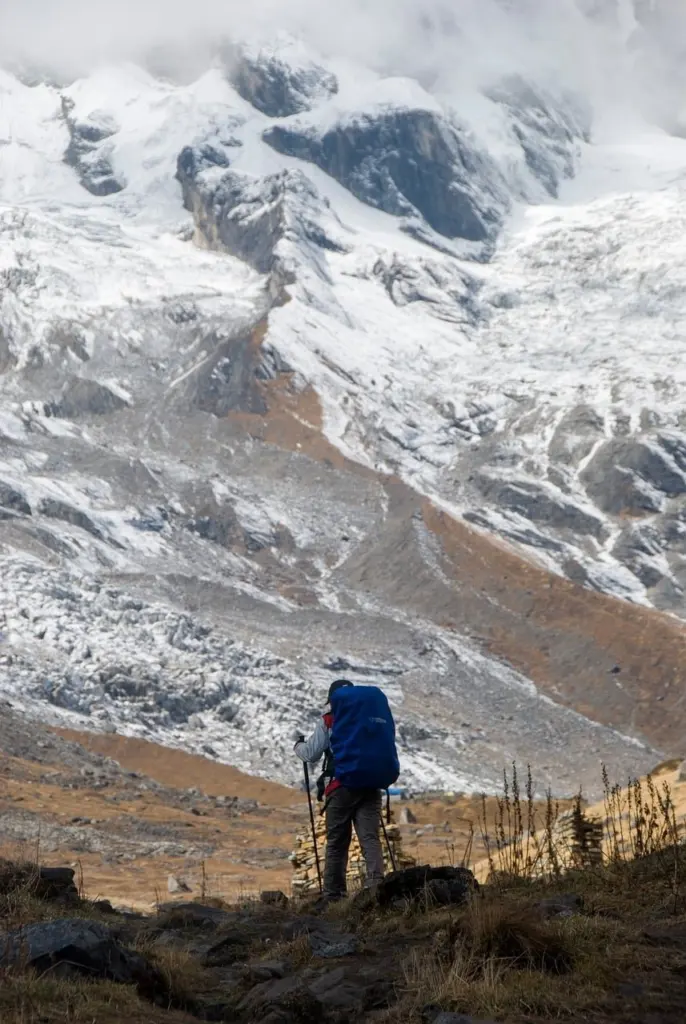
Trekking suits people who like steady, self-powered progress and are happy to repeat it for days. It is a poor match for anyone who wants a short burst of excitement, since the reward comes from accumulation rather than a single moment. If trekking draws you toward snow and summits, how to start mountaineering picks up where a trek leaves off.
Via ferrata, canyoneering and route-based climbing
These activities sit between walking and climbing. You follow a defined route, using fixed protection or ropes, and a guide usually leads. They suit people who are comfortable with heights and enjoy using their hands as well as their legs, but who do not want to learn full rock-climbing technique first.
For via ferrata, start with Via Ferrata Explained: What It Means, How It Works, and How To Try One Safely, which sets out how the format works before you pick a location. Two location guides then give a feel for how much the setting changes the experience: Telluride Via Ferrata: Your 2026 Guide To Colorado’s High‑Altitude Fixed‑Rope Adventure and Via Ferrata In West Virginia: The 2026 Guide To Routes, Gear, And Safety. If you would rather move through a canyon than up a cliff, what is canyoneering explains the entry points.
Choose these when you want a clear, bounded challenge in a day or less of effort. Choose trekking instead if what you want is sustained time in the landscape.
Bikepacking and cycling tours
Bikepacking means riding with your camping and clothing gear in bags on the bike. It is the most self-reliant form of cycling travel. The operator example available here is a set of cycling tours rather than bikepacking itself, but its structure is still useful. Escape Adventures sorts its bike tours into three tiers: Easy/Intro, Moderate and Seasoned. That is a simple way to be honest with yourself about riding fitness. Pick the tier you can ride comfortably, not the one you hope to reach.
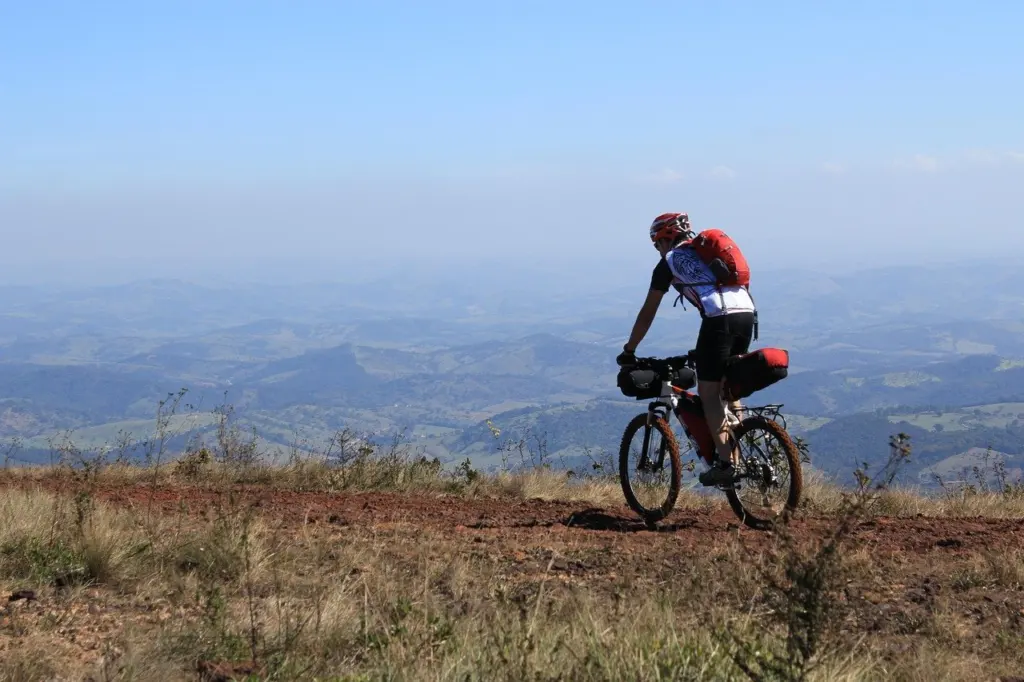
The same operator describes a five-day mountain biking tour in the Ozarks and a 32-day cycling tour from Barcelona to Rome. The gap between those two shows how far duration can stretch within one activity. The five-day format suits a first multi-day ride. The 32-day format is a commitment that only makes sense once you have done several shorter ones and know how your body copes with long stretches of riding.
If your idea of a road trip involves a vehicle rather than a bicycle, what is overlanding covers that format.
Water-based adventure types
Water trips swap leg fatigue for exposure to cold, current and the need to follow instructions in a crew. In most guided formats the guide handles route reading and safety decisions, so beginners can take part. Your main job is to be reliable on the paddle.
Whitewater rafting
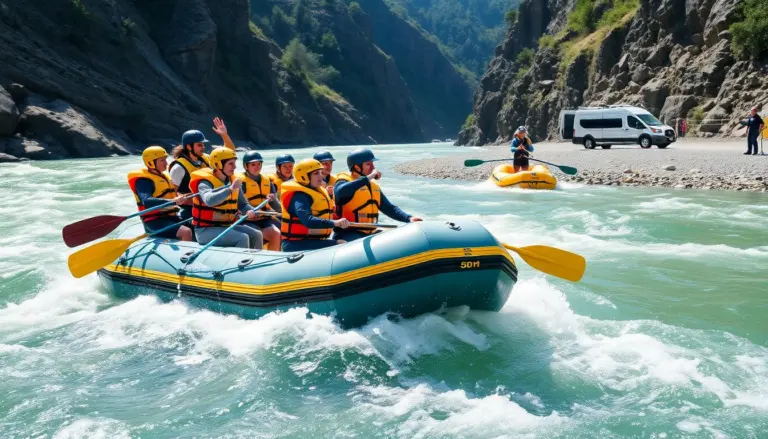
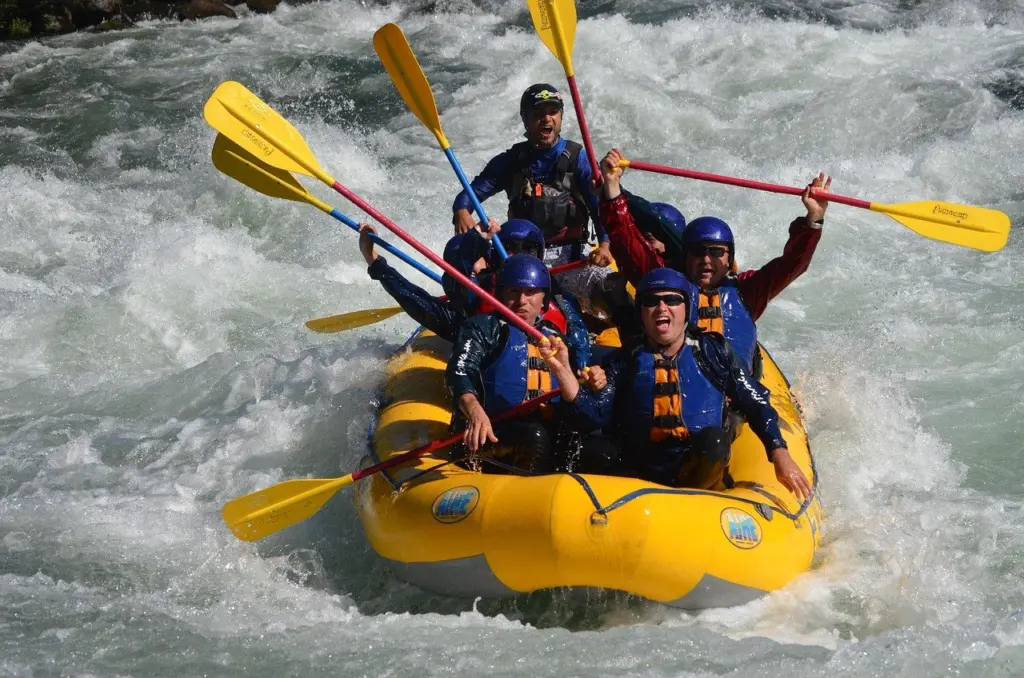
Rafting is the easiest water activity to start, because a trained guide steers and the crew paddles on command. Intrepid includes whitewater rafting on grade II and III rapids in its multi-active trips. Those grades describe the rapids themselves, and they are a different measure from effort. On Mt Sobek’s list, the 8-day Middle Fork of the Salmon River trip is rated activity level 2. Always check the rapid grade as well as the operator’s activity level, because a low effort rating on a multi-day river trip says little about how technical the water is.
Several guides on this site help you pick a river and prepare:
- Choosing rapids: White Water Rafting Levels: How To Pick The Right Rapids For Your Skill And Thrill In 2026 is the place to match rapid class to your comfort.
- Dressing for it: What To Wear White Water Rafting: Essential Clothing And Gear For A Safe, Comfortable Trip In 2026 covers what to put on before you board.
- Regional trips: Ocoee Whitewater Rafting: How To Plan An Unforgettable Trip On Tennessee’s Legendary River and White Water Rafting In Colorado: Best Rivers, Safety Tips, And Planning Your 2026 Adventure help you choose a destination.
- Stepping up: Extreme Whitewater Rafting: The Ultimate Guide To Big Drops, High Adrenaline, And Safe Progression (2026) is for those who have outgrown moderate rapids and want a sensible path to bigger water.
Rafting suits groups, families with older children and anyone who wants adrenaline without technical training. Wait on the biggest rapids until you have run easier ones, and do not let a friend’s enthusiasm set your grade.
Kayaking
Kayaking asks more of you than rafting, because you move the boat yourself. On open water or along a remote coast, the demands rise further. Responsible Vacations advises that remote sea kayaking is best done in a small group led by expert guides. That advice is worth following if you are new to paddling, since remote water leaves little room for correcting a mistake.
An easier way in is to meet kayaking as one part of a mixed trip. Mt Sobek’s 9-day Galapagos adventure cruise combines hiking, snorkelling and kayaking at activity level 2, which keeps the paddling as an add-on rather than the whole demand. Pick that kind of format if you want to find out whether you enjoy being on the water before committing to a dedicated paddling holiday.
Air and drop-based thrills
Some adventure travel is about a single intense moment rather than a journey. Bungee jumping and paragliding are the usual examples. They are normally booked as a short session, so they work best as an add-on to a longer trip or as a way to try something once without changing your whole itinerary.
If you are curious but nervous, What Is Bungee Jumping? The Beginner’s Guide To Thrill, Safety, And What To Expect (2026) explains the format before you commit, and Bungee Jumping In Colorado: Best Spots, Safety Tips, And How To Book In 2026 turns that into a booking decision. For flight, paragliding for beginners describes what a first tandem flight involves.
These activities suit people who want the story and the adrenaline but have little training time. They are a poor fit for anyone who dislikes heights or depends on a long build-up to feel settled. In that case a multi-day trek or a paddling trip will give you more of what you actually enjoy.
Multi-activity trips, durations and costs
Multi-activity trips bundle several disciplines into one itinerary, which makes them the least risky way to sample different types. Intrepid’s multi-active adventures state that you need a moderate fitness level, and most combine hiking and biking. Rafting on grade II and III rapids is one of the activities on offer.
Two listed trips compared
| Trip | Length | Listed starting price | Planning use |
|---|---|---|---|
| Vietnam: Hike, Bike and Kayak | 11 days | From USD 1,695 | The lower-priced entry to a three-activity trip. |
| Japan: Hike, Bike and Kayak | 12 days | From USD 5,995 | Same three activities as the Vietnam trip, at a much higher listed price. |
Both figures are listing prices from Intrepid’s multi-active page, shown as starting prices rather than final quotes.
The gap between these two trips is the main cost lesson. Two itineraries with the same three activities and similar lengths can differ widely in price, so activity type alone does not predict cost. Compare what each listing includes before you decide which one is worth paying for.
How long adventure trips run
The listed examples span a wide range. From Mt Sobek, the shortest is the 4-day Grand Canyon and Sedona hiking tour, and the Middle Fork rafting trip and the Galapagos cruise run 8 and 9 days. Intrepid lists its Vietnam and Japan trips at 11 and 12 days. Escape Adventures has a five-day mountain biking tour at one end and a 32-day cycling expedition at the other.
Use these as a guide to match time away from work to the type. 5 days is enough to try mountain biking. 8 days suits river trips, and 9 days suits multi-activity trips. Anything beyond that is a project you build up to.
Matching fitness and skill to a type
The fitness you need depends on the type. For multi-active trips, Intrepid says a moderate fitness level is required. At the other end, level 4 treks and Seasoned bike tours expect more. Because operators rate trips on their own scales, the practical rule is to read how each operator defines its levels and to pick the trip whose description you could already complete today. Improving your fitness first is cheaper and more enjoyable than struggling through the second half of a booked trip.
- First-time adventurers: start with a level 2 or 3 trip, an Easy/Intro cycling tier, or a short guided session such as rafting on grade II or III water. These formats let you find out what you enjoy at low risk.
- Fit but new to the activity: choose guided trips in disciplines where technique matters, such as kayaking or via ferrata. Your fitness carries you, and the guide covers what you have not yet learned.
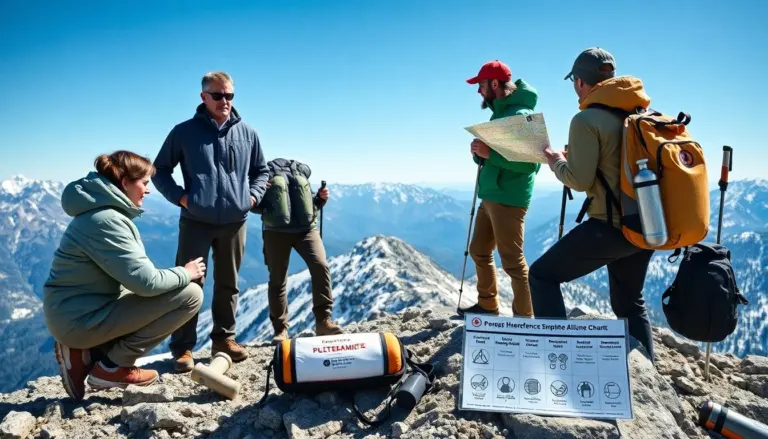
- Experienced and fit: consider level 4 treks, Seasoned bike tours and longer expeditions, and treat them as a project with a training block beforehand.
- Mixed-ability groups: multi-activity itineraries work best because each person shines at something different. Agree before booking which day is the hardest, so nobody is surprised by it.
When a rating is close to your limit, take the lower option. A trip that feels slightly easy is more fun than one that you are only just finishing.
Guided or independent travel
The choice comes down to risk, skill and how much logistics you want to carry. The Adventure Travel Trade Association states in its guide standard material that adventure guides manage safety and risks and ensure the overall quality of the participant experience. That is the case for guiding in a sentence: you are buying judgement about conditions, pace and emergencies, as well as a route.
- Choose a guided trip when the setting is remote, the activity is technical, or the consequences of an error are serious. Responsible Vacations recommends small groups with expert guides for remote sea kayaking and high mountain hiking.
- Choose independent travel when the route is well defined, the activity is within your proven ability, and you value flexibility over support. Some adventure vacations are sold as self-guided, which suits confident walkers and cyclists on established routes.
- Mix the two by booking a guided trip for the technical part, such as the river or the summit, and travelling on your own around it.
If you are weighing options, the question to ask is not which format is better, but which risks you are able to manage yourself. Trips where you cannot say that you can handle the worst plausible day without help are better guided.
Frequently asked questions
How big are group adventure trips?
Intrepid states a maximum group size of 16 travelers on its multi-active trips. Small groups make it easier for a guide to keep an eye on everyone.
How long does the Inca Trail hike take?
It takes three to four days to hike through montane cloud forest on the Inca Trail, according to Responsible Vacations.
What is the ATTA guide standard?
It is the International Adventure Travel Guide Standard from the Adventure Travel Trade Association. The 1st Edition was published in February 2016 after a working group of adventure travel professionals from 16 countries convened in 2015, as described in the ATTA material.