White water rafting levels run from Class I (mildest) to Class VI (extremely dangerous). Choose Class I–II for a first trip, and move up only when your paddling skill, fitness and guide support match the next class.
Rafting is one of the river sports covered in our guide to types of adventure travel. This page explains what each class asks of you, so you can pick a trip that is thrilling without being beyond you.
How the class scale grades a rapid
The class scale grades a rapid by how hard it is to read, how powerful the water is and what skills a crew needs to get through. Performance Tours describes the International Scale of River Difficulty as a classification system developed by American Whitewater, running from Class I (mildest) to Class VI (extremely dangerous).
The grade is not a permanent label on a river. The same Bear Creek section is described as Class I–II rapids with the occasional Class III during higher flows, so water level can change what a trip demands. Outfitters also say age restrictions may be put in place depending on water levels, which is another sign that the day’s flow matters as much as the printed class. Ask the outfitter what class the river is running on your date, not only what the brochure says.
Class definitions at a glance
| Class | What the water is like | Planning use | Example run |
|---|---|---|---|
| Class I | Easy: moving water with small waves | Suits first-timers who want a gentle float | Gallatin River least challenging trip (Class 1-2) |
| Class II | Novice: straightforward rapids with clear channels | Suits beginners and families building confidence | Bear Creek float (Class I–II, occasional Class III at higher flows) |
| Class III | Intermediate: bigger waves requiring specific maneuvers | Suits people ready to paddle as a team and follow commands | Browns Canyon, Arkansas River (several Class II–III rapids) |
| Class IV | Advanced: intense and powerful but predictable rapids requiring skills | Suits experienced paddlers in good physical condition | Madison River, Beartrap Canyon (10-mile stretch with Class 4 rapids) |
| Class V | Expert: long, obstructed or violent rapids with unavoidable hazards | For expert paddlers on technical runs | Royal Gorge (Class IV+, continuous Class IV–V rapids depending on conditions) |
| Class VI | Extremely dangerous | Treat as off the menu for a holiday trip | None suggested |
Class descriptions for Classes 1 to 5 come from Montana Whitewater’s beginner’s guide, while the Class VI label and several example runs come from Performance Tours’ river rating guide.
Class I–II: where beginners start
Class I–II is the best choice for beginners and families. Performance Tours says these rapids suit them because the currents are mild and the waves small, with minimal obstacles. Class I is easy moving water; Class II adds straightforward rapids with clear channels, so you can see the route and a mistake rarely costs much.
Gentle does not mean you can skip the briefing. Montana Whitewater notes that trip leaders give a safety talk at the put-in, and it applies on easy water too. Many rivers offer a ladder of options. The Gallatin River, for example, is offered as a least challenging Class 1-2 trip, a less challenging Class 2-3 trip and a more challenging Class 2-4 trip, so you can start low and step up on a later day.
Class III: where teamwork starts
Class III is the first class that asks you to do something specific. Montana Whitewater defines it as intermediate, with bigger waves requiring specific maneuvers, and Performance Tours describes bumpy rides and exciting whitewater with paddling that requires teamwork and maneuvering. In practice, you must paddle on command and in time with the crew, not just hold on.
It suits people who have enjoyed Class I–II and want more energy from the river. Browns Canyon on the Arkansas River is presented as a Class III trip made up of several Class II–III rapids, which shows how a Class III day mixes easier and harder moments. The Yellowstone River is a wide, deep, high-volume river with splashy rapids ranging from Class 1-3, so it sits at the gentler end of this band.
Class IV: advanced rapids and guide reliance
Class IV rapids are intense and powerful but predictable, and they require skills that you must already have. Performance Tours recommends Class IV–V trips for experienced paddlers in good physical condition who are looking for a technical challenge. That wording matters: the class rewards a crew that can follow precise instructions under pressure.
A guided Class IV day is often longer and more physical than a short float. Montana Whitewater lists a 10-mile stretch of the Madison River through Beartrap Canyon, with peaceful waters and exciting Class 4 rapids, as a small-group full-day trip. Treat that as a commitment: choose Class IV only after you have paddled Class III and know how your body copes with a full day of work.
Class V–VI: expert water
Class V is expert water: Montana Whitewater describes long, obstructed or violent rapids with unavoidable hazards. The word unavoidable is the key difference from lower classes. At Class V you cannot simply paddle around the danger, so skill has to substitute for margin. Royal Gorge is described by Performance Tours as a Class IV+ trip made of continuous Class IV to Class V rapids depending on conditions.
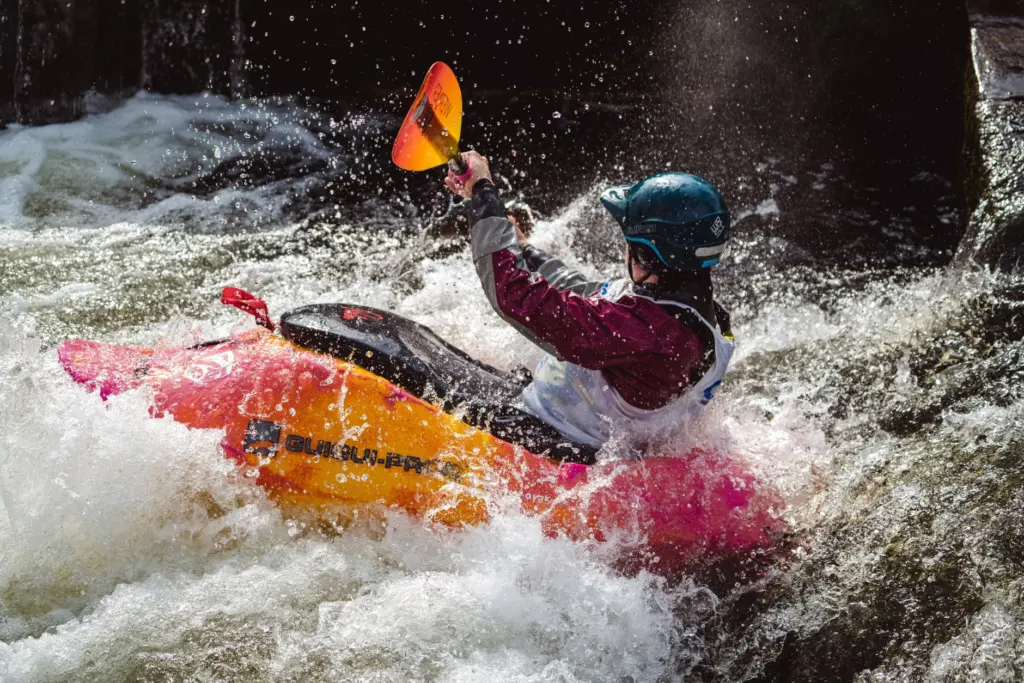
Class VI sits at the end of the scale and is labelled extremely dangerous. Unless you are an expert paddler with a team to match, leave both classes to others and put your holiday time into a lower class you can enjoy fully.
Fitness, safety talk and gear
Each class needs more from your body and from your guide. Montana Whitewater warns that whitewater rafting is fun but you should be prepared for a workout, so build fitness before a Class III or IV day instead of relying on the guide to do the work. On a guided raft trip, the guide’s job is to brief you, steer the line and manage rescue; yours is to paddle and follow commands.
The same outfitter requires all rafters to wear its helmets and personal flotation devices (PFDs, or life jackets). Knowing the basics of what to do if you fall out of the boat is part of the safety talk: keep calm and point your legs downstream. If you want to know what to put on underneath, our guide on What To Wear White Water Rafting: Essential Clothing And Gear For A Safe, Comfortable Trip In 2026 covers it.
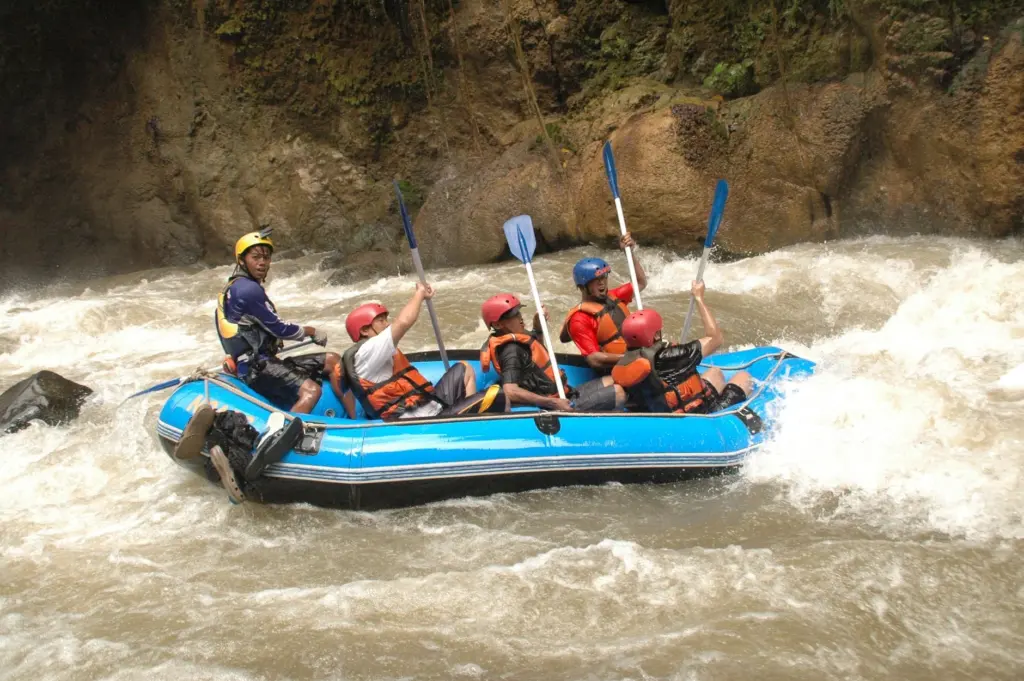
Choosing your class in four steps
- Rate your experience honestly. If you have never rafted, start with Class I–II. If you have enjoyed those, try a Class III trip before thinking about anything higher.
- Plan for the weakest member of the group. For mixed ages and abilities, Montana Whitewater advises booking a Class 1-3 trip for an enjoyable experience.
- Ask about water level on your date. Flow can lift a gentle section toward the next class and trigger age restrictions, so confirm both with the outfitter before you pay.
- Look at a real river. Our guide to Ocoee Whitewater Rafting: How To Plan An Unforgettable Trip On Tennessee’s Legendary River shows how these choices play out on a single river.
Frequently asked questions
Can a beginner raft Class IV?
Not as a first trip. Class IV rapids are described as requiring skills, and Performance Tours recommends them for experienced paddlers in good physical condition. Build up through Class I–II and Class III, then book a guided Class IV day.
What is the difference between Class V and VI?
Class V is the expert grade, with long, obstructed or violent rapids and unavoidable hazards. Class VI marks the top of the scale, the category rated as the most hazardous. Neither is a sensible target for a casual holiday trip.
Do age limits change with the class?
Yes, and with the water level. Performance Tours recommends Class IV–V trips for ages 16+ (or 14+ at lower flows), while its gentle Bear Creek float admits guests as young as 4 years old and 30 lbs. Montana Whitewater adds that age restrictions may be put in place depending on water levels, so check on the day.