white water rafting ocoee draws thrill seekers and paddlers from across the country. The river offers steep drops, strong current, and scenic canyon walls. The guide teams run frequent releases that create reliable rapids. This article lays out what they need to know to plan a safe, fun trip on the Ocoee, from choosing the right section and outfitter to packing smart and handling post‑raft logistics.
Key Takeaways
- White water rafting Ocoee offers thrilling rapids with steep drops and strong currents, making it a top destination for adrenaline seekers.
- The Ocoee River is divided into Middle and Upper sections, catering to different skill levels with Class III–V rapids and technical challenges.
- Scheduled dam releases determine the best times to experience peak rapids, so checking release calendars and booking early is essential.
- Choosing a licensed outfitter ensures safety, proper permits, guided trips, and smooth logistics for an enjoyable white water rafting Ocoee experience.
- Proper preparation includes packing quick-dry clothing, secure footwear, sunscreen, and physical conditioning to enhance paddling performance and safety.
- Asking outfitters about guide qualifications, safety gear, cancellation policies, and shuttle services helps ensure a reliable and safe rafting trip.
Why The Ocoee Is A Must-Do For Whitewater Fans
The Ocoee ranks high for people who want intense river runs. White water rafting Ocoee features sustained whitewater, clear water, and dramatic gorges. The river hosted Olympic slalom events, and that history attracts paddlers seeking technical challenges and big water excitement alike. Outfitters staff trained guides who focus on safety, swift-water rescue skills, and clear command protocols to keep groups moving confidently through each rapid. Local crews keep access organized and reliable with established put‑in/take‑out points and efficient shuttle operations. After a run, visitors can recover in nearby towns that offer food, breweries, and lodging—making it easy to build multi‑day trips that combine strenuous paddling with comfortable downtime. Families with teens, experienced paddlers, and first-time rafters all find runs that match their appetite for excitement on the Ocoee when they pick the right section and outfitter.
River Sections, Rapids, And Difficulty
The Ocoee splits into distinct sections that offer varied challenges. White water rafting Ocoee visitors choose runs by difficulty, length, and scenery, so understanding each section helps match expectations. The Middle section is the most commonly run commercial stretch and provides a sustained sequence of technical moves and big, surfable waves—ideal for paddlers who want continuous action with frequent eddies for rest and regrouping. The Upper section is steeper and more committing, with longer drops, complex hydraulics, and fewer easy exit points; this appeals to experienced paddlers and advanced guided trips. Guides tailor lines and on‑water calls to group ability and current conditions, using maneuvers like ferrying, eddy turns, and boof strokes to navigate features. Riverbanks along commercial sections offer established take‑outs, safety zones, and staging areas for equipment and shuttles, which helps keep logistics smooth for rafters and support crews.
Class III–V Rapids: What To Expect On The Water
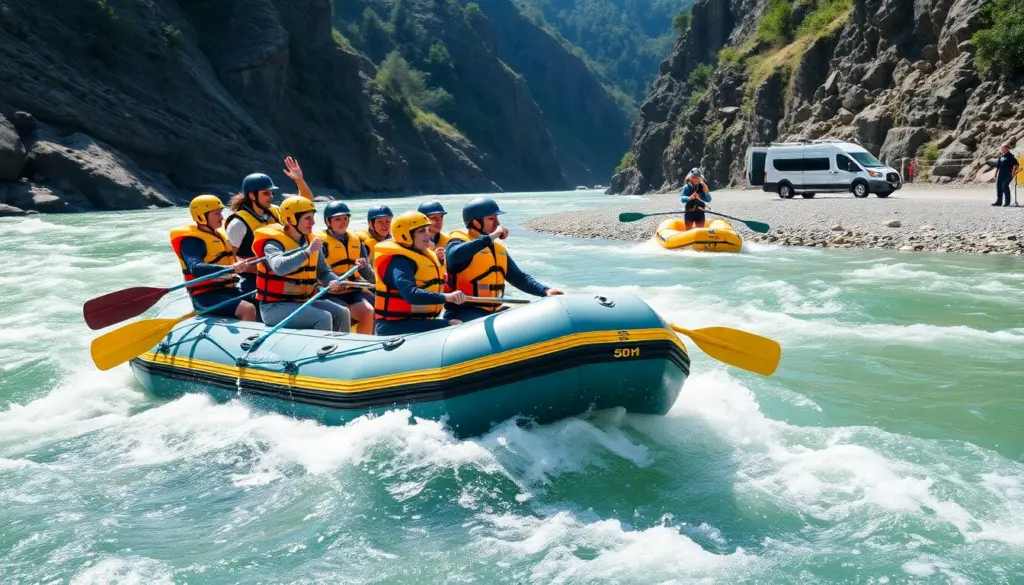
Class III–V rapids test paddlers with waves, holes, drops, and tight channel changes. On white water rafting Ocoee runs, Class III rapids require coordinated timing, solid paddling technique, and good communication. Class IV features bring stronger hydraulics, big wave trains, and faster decision windows; rafters should be prepared for the boat to pitch and for quick recovery strokes. Class V sections present very technical lines, powerful holes, and limited recovery options; these are typically run with experienced guides and strict safety protocols. Before each rapid, guides run onshore briefings to assign seats, review commands, and outline bailout options. Paddlers are trained to brace, dig in, and work as a team; guides carry throw bags, knives, and first aid kits and maintain constant visual contact with the group. Knowing how to respond if you flip, become separated from the boat, or encounter a swimmer increases safety and confidence on the water.
Seasonal Releases And The Best Windows To Visit
Seasonal releases control when rapids reach their peak flow and are the reason the Ocoee provides reliable whitewater for commercial runs. White water rafting Ocoee trips are scheduled around dam releases, and most outfitters publish release calendars and recommend times based on desired intensity. Late spring and early summer commonly offer the fullest flows and most powerful rapids, while shoulder seasons can provide lower‑volume runs that are better for learning technique or running with younger participants. Special event releases may occur at other times, and fall releases sometimes appear for festivals or demand. Visitors should check release schedules well in advance and align their travel to release dates, keeping in mind that water temperature drops quickly with releases—wetsuits or dry tops may be required during cooler months. Being flexible with travel dates and booking early for peak windows reduces the chance of missing premium runs.
Planning And Booking Your Trip: Permits, Outfitters, And Safety
They must choose a licensed outfitter who holds river permits and proper insurance. White water rafting Ocoee outfitters provide boats, PFDs (personal flotation devices), helmets, guides, and shuttle service; reputable companies also offer rental wetsuits, splash jackets, and on‑river photography. Outfitters register trips with river managers, secure launch times that comply with permit rules, and manage group sizes to meet safety and environmental regulations. When planning, confirm age and weight limits, fitness expectations, and whether trips are fully guided or require some passenger paddling. Verify guide training in swift‑water rescue, CPR, and first aid, and ask about emergency response plans, communication methods, and proximity to medical facilities. Booking early secures preferred dates, and many outfitters require signed waivers and a deposit or full payment in advance to hold space. Read cancellation and weather policies closely so you know your options if releases change or weather forces adjustments.
Key Questions To Ask An Outfitter Before You Book
They should ask about guide-to-guest ratios and guide qualifications. White water rafting Ocoee guests ask whether the outfitter runs strictly guided trips, whether private or mixed groups are possible, and how long each run lasts from put‑in to take‑out. Guests ask about release dates and how trip timing relates to those releases, refund and rescheduling policies, and how weather or mechanical issues are handled. Ask what safety gear the outfitter supplies and what guests must supply (for example, footwear or prescription items), and whether wetsuit rentals or layering gear are available. Confirm shuttle timing, parking capacity, check‑in procedures, and whether photos or videos are offered and at what cost. Good outfitters will explain their permits, safety protocols, trainer certifications, and experience on the Ocoee. Asking for references or reading recent reviews can reveal how consistently an outfitter delivers safe, fun trips.
What To Pack, How To Prepare, And Post‑Rafting Logistics
They pack with water, quick-dry clothing, and a secure sun hat. For white water rafting Ocoee trips, bring garments that dry fast and retain warmth when damp—avoid cotton. Closed‑toe shoes that stay on when wet are essential; sandals with straps or neoprene booties are common choices. Sunscreen, a small dry bag for keys and phones, and a lightweight towel help with comfort before and after the run. Depending on season and release temperature, consider renting or bringing a wetsuit, splash jacket, or synthetic layers. Physically, prepare with a few days of core and leg exercises to reduce fatigue and improve paddle performance. Hydrate well and eat a balanced meal before the trip, avoiding heavy foods that can sap energy or cause discomfort in fast water.
After the run, change into dry clothes, stretch major muscle groups used for paddling, and rehydrate with fluids and electrolytes. Tip guides if their service enhanced your experience, and check with the outfitter about how tips are handled. If you plan to retrieve a vehicle or need long drives after rafting, schedule lodging close to the river or allow extra time for equipment drying and decontamination if required. Store valuables in provided lockers when available, and confirm how outfitters handle photos or video delivery so you can collect trip media without delaying shuttles. Finally, pack out any trash and respect river access rules—stewardship keeps the Ocoee healthy for future paddlers and preserves the experience that makes white water rafting Ocoee so special.