What do you wear white water rafting sets expectations for safety and comfort before a trip. This guide lists clear clothing and gear choices. It helps readers pick items for warm days, cold water, and required safety gear. It keeps advice precise and practical so trip leaders and paddlers make smart choices quickly.
Key Takeaways
- When choosing what to wear white water rafting, always prioritize safety gear like a properly fitted PFD, helmet, and secure closed-toe water shoes.
- Opt for breathable, quick-dry synthetic clothing and a long-sleeve sun shirt to stay cool and protected during warm-weather rafting.
- In cold water or shoulder seasons, wear a wetsuit or drysuit with insulating layers to effectively prevent hypothermia.
- Select footwear with good traction and heel straps to ensure they stay secure in the water and avoid hazards caused by loose shoes.
- Always include sun protection such as a hat with a strap, waterproof sunscreen, and polarized sunglasses to protect your skin and eyes.
- Confirm your rafting gear with your guide and adjust based on river difficulty, weather, and water temperature for maximum comfort and safety.
Quick Pre-Trip Checklist: Must-Have Clothing And Gear
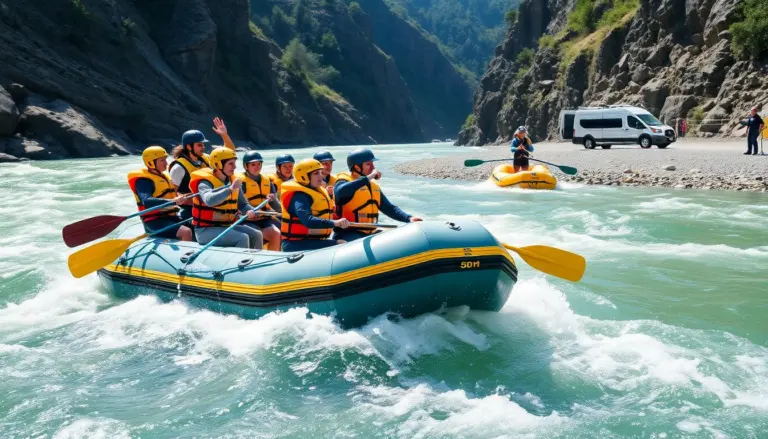
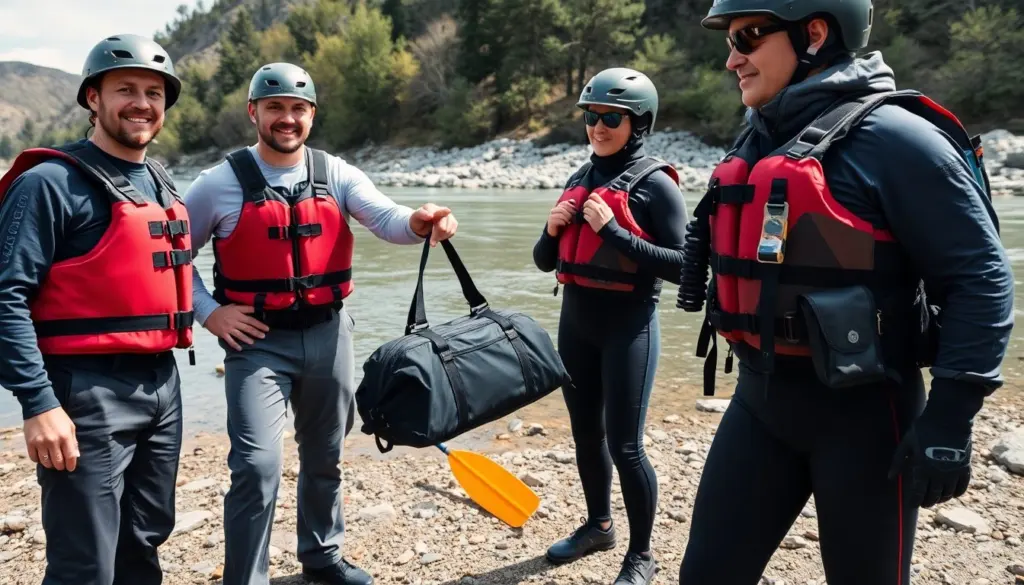
What do you wear white water rafting begins with a short checklist. They should pack a properly fitted personal flotation device (PFD), a helmet, and closed-toe water footwear. They should bring quick-dry clothing, a sun shirt, and a hat with a strap. They should include a lightweight insulating layer for cool mornings and a waterproof jacket if the forecast shows rain. They should tape or secure valuables and keep a small first-aid kit and sunscreen. They should confirm guide requirements and river difficulty and then adjust gear accordingly.
What To Wear In Warm Weather: Breathable, Quick-Dry Options
When the water runs warm, the main question still becomes what do you wear white water rafting to stay cool and safe. They should choose synthetic shirts and shorts that dry fast. They should avoid cotton because it holds water and chills after immersion. They should wear a long-sleeve sun shirt for UV protection. They should wear a brimmed hat with a strap for sun control. They should carry a light layer that compresses easily for sudden temperature drops. They should remove jewelry and tight accessories that could snag or cause injury.
Footwear For Warm Conditions: Sandals, Water Shoes, And Secure Options
They should wear footwear that stays on during a swim. They should pick water shoes or sport sandals with heel straps. They should avoid flip-flops because they can fall off and create hazards. They should choose soles with good traction for wet rocks and slick docks. They should test footwear in shallow water before the trip. They should bring a spare pair in a dry bag in case one pair fails or becomes uncomfortable.
What To Wear In Cold Water Or Shoulder Seasons: Insulation And Layering
In cold water, the key question remains what do you wear white water rafting so hypothermia risk stays low. They should wear a wetsuit or drysuit when water temperatures are low. They should use a thermal base layer under a drysuit when guides recommend it. They should choose fleece or wool mid-layers that keep warmth when damp. They should wear a lightweight, water-resistant outer layer to block wind. They should trim clothing to avoid loose fabric that can snag on hardware. They should follow guide advice on suit thickness for specific river temps.
Essential Safety Gear And Accessories: Helmets, PFDs, Sun Protection, And More
They should always wear a Coast Guard–approved PFD that fits snugly over clothing. They should wear a helmet rated for whitewater to protect from hits and strain. They should carry waterproof sunscreen and apply it before launch and during breaks. They should wear polarized sunglasses with a retention strap to reduce glare and protect eyes. They should bring a whistle attached to the PFD for emergency signaling. They should pack a small repair kit, a multi-tool, and a waterproof flashlight for longer trips.