White water rafting in Colorado draws paddlers for clear water and steep canyons. The state offers varied rivers, accessible guides, and defined safety rules. Readers learn where to go, when to book, and what gear to bring. This guide helps them plan a safe, exciting 2026 trip with practical choices for skill level and season.
Key Takeaways
- White water rafting in Colorado offers diverse rivers for all skill levels with scenic canyons and reliable snowmelt-fed flows.
- The Arkansas River and Clear Creek provide beginner-friendly rafting with guided safety instruction and fun rapids.
- Spring and early summer feature the highest water levels for big-water trips, while late summer and fall are better for calmer, family-oriented rafting.
- Most visitors choose guided rafting trips for safety, local knowledge, and convenience, while self-guided options require advanced skills and permits.
- Essential safety gear includes a U.S. Coast Guard-approved life jacket, helmet, and weather-appropriate clothing, plus readiness in swim and self-rescue skills.
- Booking midweek or late September trips helps avoid peak crowds, and paddlers should check water reports and permit rules before planning their white water rafting in Colorado adventure.
Why Colorado Is One Of The World’s Top Rafting Destinations
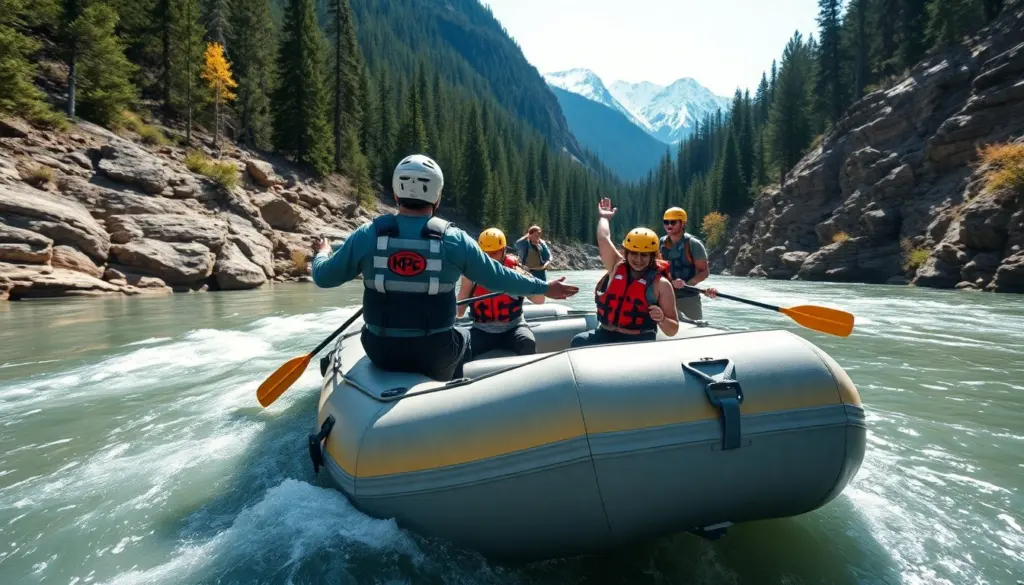
White water rafting in Colorado offers dramatic scenery and reliable flows. Snowmelt feeds rivers in spring and early summer. Rivers cut deep canyons and pass through forests and desert. Outfitters base operations near major towns and provide trained guides. The state offers trips that fit families, groups, and experienced paddlers. Colorado also enforces safety standards and requires permits on some rivers. Travelers find a wide range of trip lengths, from half-day floats to multi-day expeditions. This variety keeps white water rafting in Colorado popular with domestic and international visitors.
Beyond the obvious attractions of steep gradients and clean water, Colorado’s rafting appeal comes from accessible logistics: many stretches are within a few hours’ drive of population centers, allowing day trips as well as extended wilderness runs. The state’s river corridors offer layered experiences — wildlife viewing, geology, hot springs access on some multi-day routes, and evening camp traditions — that make a rafting trip feel like a full outdoor immersion rather than just a single activity. Local outfitting companies frequently employ guides with wilderness first-aid and swiftwater rescue training, which raises safety standards while enabling more challenging runs to be offered to capable paddlers.
The Best Rivers For Every Skill Level (Beginner To Expert)
Colorado contains rivers that suit every paddler. Below are clear choices for each level and what paddlers should expect.
— Beginner-Friendly Rivers And What To Expect
The Arkansas River (Numbers 1–3 sections) gives steady rapids and wide channels. The Clear Creek near Denver offers short runs that suit first-timers. Guides use stable rafts and teach paddle commands before launch. Trips focus on fun rapids, scenic stretches, and safety drills. Water levels rise in late spring: outfitters adjust routes to keep conditions appropriate. Families and groups gain confidence on these runs before moving to steeper water. Many beginner trips include photos and lunch to make the day easy and social.
Other accessible stretches commonly used for introductions to white water rafting in Colorado include gentle sections of the South Platte and some portions of the Colorado River tailored for family outings. Beginner trips emphasize consistent instruction—how to hold a paddle, how to brace, and what to do if you fall out—so that new paddlers leave with both skills and confidence. If you are traveling with children or mixed-ability groups, ask outfitters about age and weight minimums, shuttle logistics, and on-river support.
When To Go: Seasonal Differences, Water Levels, And Crowds
Spring offers the highest flows from snowmelt, and outfitters run big-water trips then. Early summer gives strong flows with warmer weather. Late summer brings lower flows and calmer stretches ideal for families. Fall delivers cooler air and quieter rivers, but some outfitters reduce operations. Peak crowds occur in June and July near popular stretches like the Arkansas. To avoid crowds, travelers book midweek trips or late September dates. Outfitters publish flow forecasts and daily water reports. Paddlers check those reports before finalizing plans.
Season affects not only the size of the rapids but also required clothing and safety considerations. Early-season runs may require wetsuits or drysuits because snowmelt keeps water temperatures low, and guides will emphasize cold-water protocols. Later in the season, lower flows can change rapid character, sometimes making technical maneuvers more important than sheer power. When planning a white water rafting in Colorado trip, consult seasonal reports from outfitters and local river authorities and be prepared to be flexible with dates if flows are unusually low or high.
How To Choose A Rafting Trip: Guided Runs, Self-Guided Options, And Permits
Most visitors pick guided trips for safety and local knowledge. Guides instruct paddling, scout rapids, and handle rescues. Guided trips suit novice to expert paddlers and include equipment, shuttles, and meals on longer trips. Self-guided options exist on some rivers with private launches and local rental shops. Paddlers choose self-guided trips only if they have river experience and rescue skills. Certain rivers require permits or reservations, especially for multi-day trips. Outfitters often handle permits for clients. Paddlers verify permit rules well before the season to secure preferred dates.
When comparing guided trips, consider group size, guide-to-guest ratio, trip length, and whether the outfitter provides photos, meals, or camping gear. For self-guided runs, confirm landing zones, shuttle arrangements, and current regulations; private river access and put-in/take-out permissions can vary by stretch and managing agency. On multi-day trips, permit systems and quota restrictions are more common — understand whether the permit is issued to the outfitter or to the party and what gear caches, campsite rules, and food storage requirements apply.
Essential Safety Gear, Clothing, And Fitness Prep
Paddlers must wear a U.S. Coast Guard-approved life jacket and a helmet on white water rafting in Colorado. Dry suits or wetsuits protect against cold water in spring. Shoes should secure to the foot and drain quickly. Guides add throw bags, rescue ropes, and first-aid kits to trip gear. Participants should practice basic swim and self-rescue skills before joining a trip. A moderate fitness level helps with repeated paddling and re-entry after a swim. Sun protection and layered clothing help with changing weather. Finally, paddlers listen to guide briefings and follow instructions at all times.
Beyond the basics, consider carrying a small, waterproof personal kit: lip balm, insect repellent for low-elevation runs, a whistle attached to your PFD, and any personal medications in waterproof packaging. Train ahead of time with exercises that build core strength, shoulder endurance, and short-burst power to make paddling more efficient and reduce fatigue. If you plan on multi-day rafting, practice pack management and lightweight camping skills, and confirm what the outfitter provides versus what you should bring. Proper preparation reduces risk and increases enjoyment on any white water rafting in Colorado trip.