| Place or topic | Supported detail | Planning use |
|---|---|---|
| Sacred Valley overall | Elevation 2,050-3,000 m (6,730-9,800 ft) | Lower than Cusco, so it is the gentler place to spend your first nights. |
| Ollantaytambo Fortress | 2,743 m | A comfortable-altitude base, and the rail point for Machu Picchu. |
| Moray | 3,500 m, 50 km northwest of Cusco | Higher than anywhere on the valley floor, so schedule it after you have adjusted. |
| Chinchero | 3,780 m above sea level | The highest town listed here; treat it as a later stop, not a first-night base. |
| Pisac market | Open daily 9 a.m. to 4:30 p.m.; highland communities sell every Sunday and Thursday | Aim for a Sunday or Thursday if the market is a priority. |
Elevations, distances and Pisac market days come from a Sacred Valley travel guide and a Cusco-region operator’s valley overview.
Sacred Valley Peru suits a lower-altitude base between Cusco and Machu Picchu: sleep in the valley first, then take on higher stops such as Moray. Give each major site its own unhurried visit.
If you are comparing regions before committing, our roundup of the best adventure travel destinations shows where the valley fits. The sections below turn the altitude figures into a route order, then cover timing, season, transport and tickets.
Altitude and route order
Cusco sits at 3,400 m (11,200 ft), while the valley runs from 2,050-3,000 m (6,730-9,800 ft). One regional operator describes the valley as lower than Cusco and more comfortable for acclimatization. That difference drives the best itinerary: descend into the valley, settle in, and only then climb to the higher stops.
- Start on the valley floor. Ollantaytambo Fortress, at 2,743 m, is a sensible first base. Sleeping there lets you adjust before the higher sites.
- Keep Moray and Chinchero for later. Moray at 3,500 m and Chinchero at 3,780 m both sit above Cusco’s elevation, so they suit days when you already feel settled.
- Finish at the rail point. Ollantaytambo is where the train to Machu Picchu runs from, so ending your valley loop there avoids doubling back.
- Do bigger outings after the valley. If a harder Cusco-region hike such as Rainbow Mountain Peru: How To See Vinicunca Without Missing The Best Views In 2026 is on your list, spend your early days in the lower valley first.
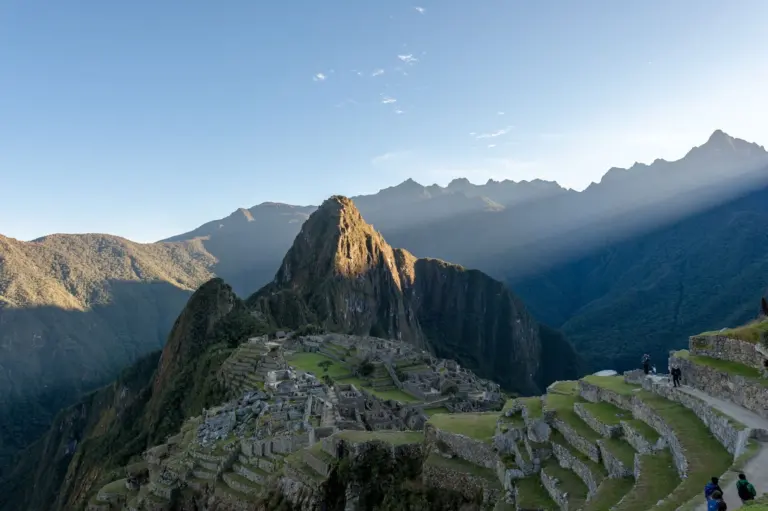
This order also puts history and hiking in a natural sequence, with easy terrace walks first and the highest sites last. For the citadel at the end of the rail line, see Where Is Machu Picchu? The Complete Guide To Finding And Reaching Peru’s Iconic Lost City.
How many days to allow
No single number of days suits everyone, because the valley rewards separate, unhurried visits rather than one long dash. The stop times below show why.
At Pisac, at least 2-3 hours at a relaxed pace is the suggested minimum for the ruins. Walking up through the terracing takes about 90 minutes according to one travel guide, and the walk down takes 40 minutes to 1 hour. Ollantaytambo’s fortress needs 1.5 to 2 hours on its own.
- Short on time: pair Pisac with Ollantaytambo, which gives you the market, the terraces and the fortress along the route toward the train.
- Time to spare: add Moray, Chinchero and a slow day with no fixed target. A looser pace helps most if you are still adjusting to altitude.
- Heading to Machu Picchu: build in an extra evening at Ollantaytambo so the train is not squeezed against a full day of sightseeing.
Best season for the valley
The dry season is the best time to go, though guides disagree slightly on its edges. One guide puts it at April to October with rain from November to March, while another gives May to October and rain from November to April. May to October is the window both agree on.
June, July and August are the peak travel months. Choosing May, September or October keeps you inside the shared dry window while avoiding the busiest stretch. In the dry season, average daytime temperatures run 20-22°C (68-71.6°F), which suits long terrace walks. In the rainy months, treat any hiking day as weather-dependent.
Getting there from Cusco
You reach the valley by road from Cusco. The route to Pisac climbs through a mountain pass before dropping into the valley, according to a Sacred Valley travel guide. Pisac and Chinchero are the main gateways, and both are about one hour from Cusco.
Ollantaytambo is the valley’s link to Machu Picchu. There is no direct road all the way to the citadel, so the train does the job, covering about 30 miles to the base of the site. That makes Ollantaytambo the best final night in the valley if Machu Picchu follows. Pisac and Chinchero suit the opposite direction, as the first stops on the way in from Cusco.
Tickets and the boleto turístico
The boleto turístico is the Cusco Tourist Ticket, a single ticket that covers entrance to several sites around the region. Pisac’s entrance is included in it, and Ollantaytambo’s is included in the Partial or General version.
Check which version covers every site on your list before you buy. If Pisac is the only ticketed stop you plan, the choice is simple. If you want Ollantaytambo as well, make sure the ticket you choose includes it. Check the current price and validity of each version before purchase.
Pisac, Ollantaytambo, Moray and Maras
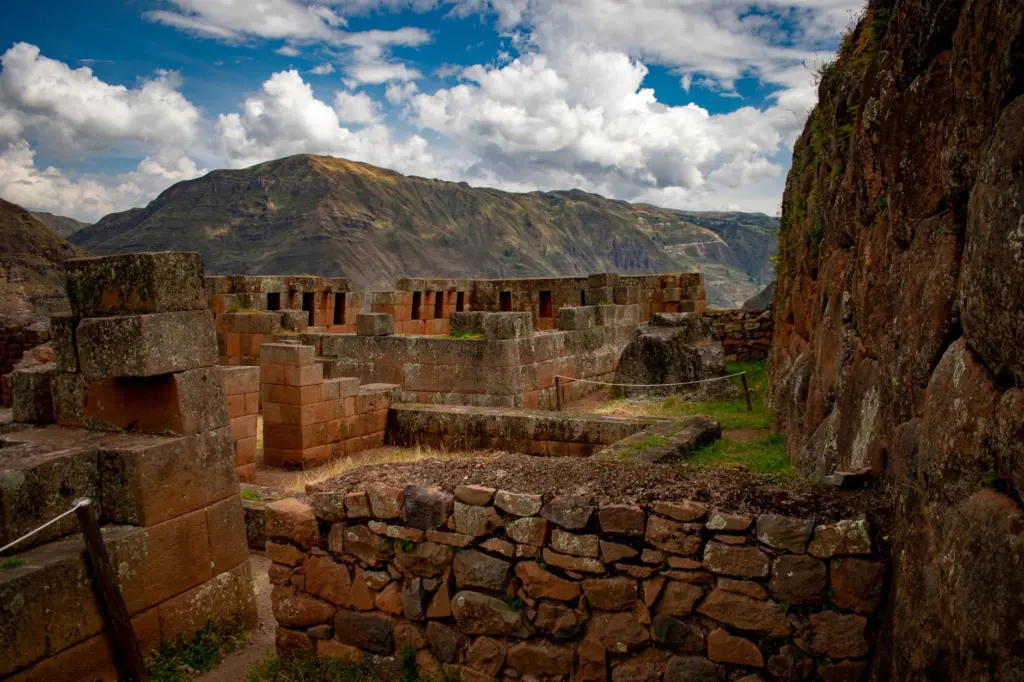
Pisac: terraces, ruins and market
Pisac combines a hillside of Inca terracing with a market town below. You can reach the ruins by a two-hour hike or by taxi, according to a regional operator. A good compromise for hikers is to take a taxi up and walk down through the terraces, which saves your legs for the steep section while keeping the best views on foot. Visit the market on a Sunday or Thursday if you want the fullest selection from the highland communities.
Ollantaytambo: fortress and gateway town
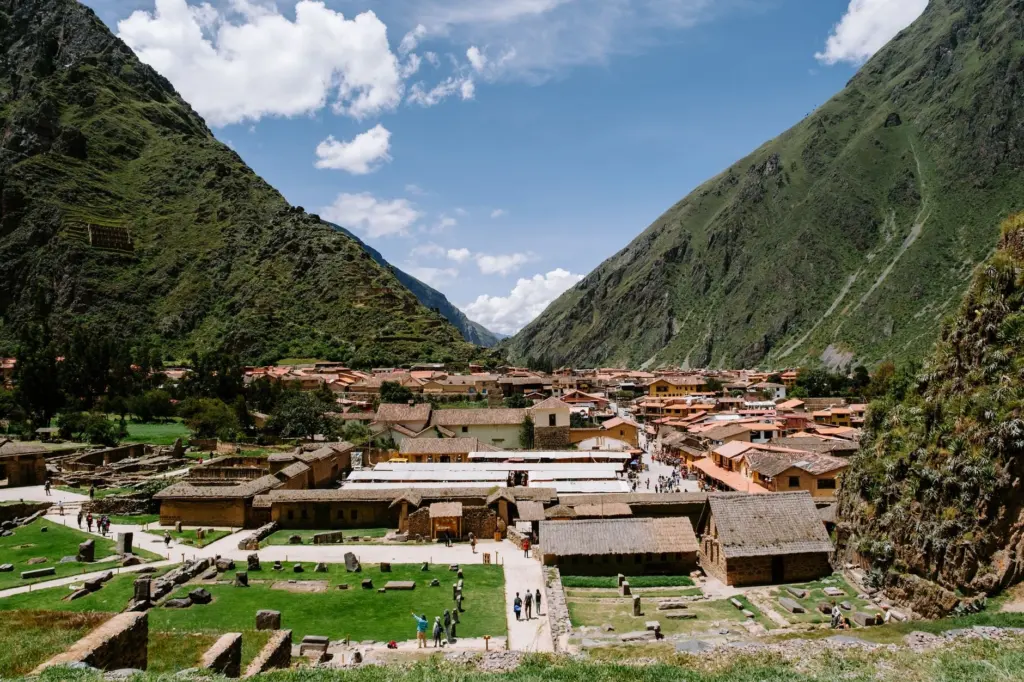
Ollantaytambo pairs a massive Inca fortress with a town that works as the valley’s rail gateway. The fortress sits at 2,743 m, and the station is close enough that the town is the natural place to sleep before an early departure. Spend your fortress time first and keep the evening free.
Moray and Maras: terraces and salt pans
Moray lies 50 km northwest of Cusco at 3,500 m, which makes it one of the higher stops in the valley. Its concentric circular terraces form a bowl-shaped depression, and the site rewards a visit once you have had a few nights lower down.
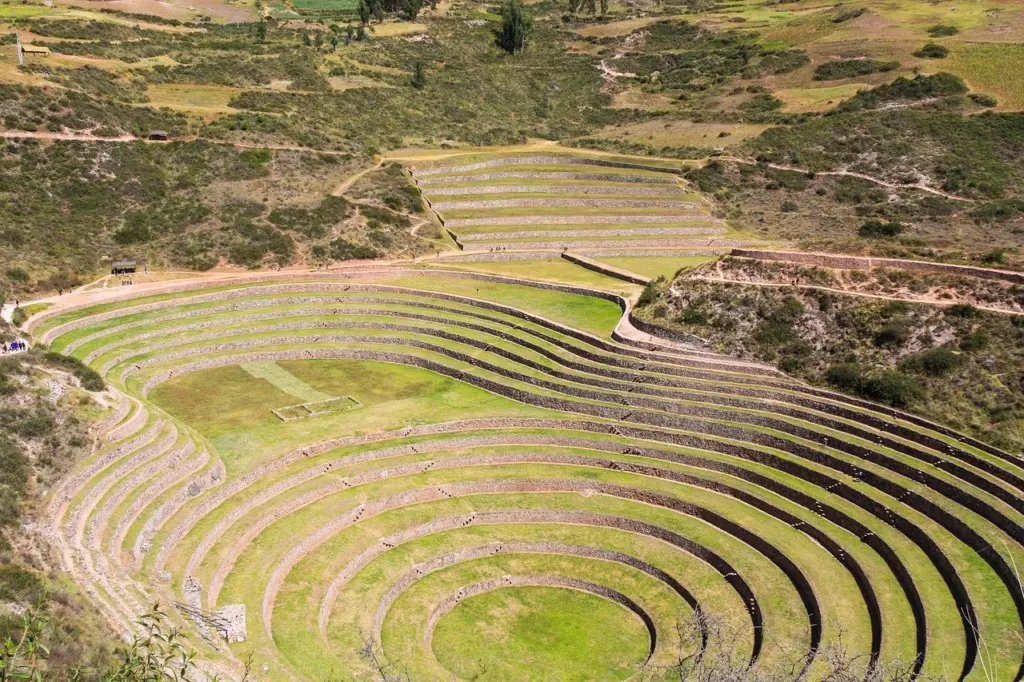
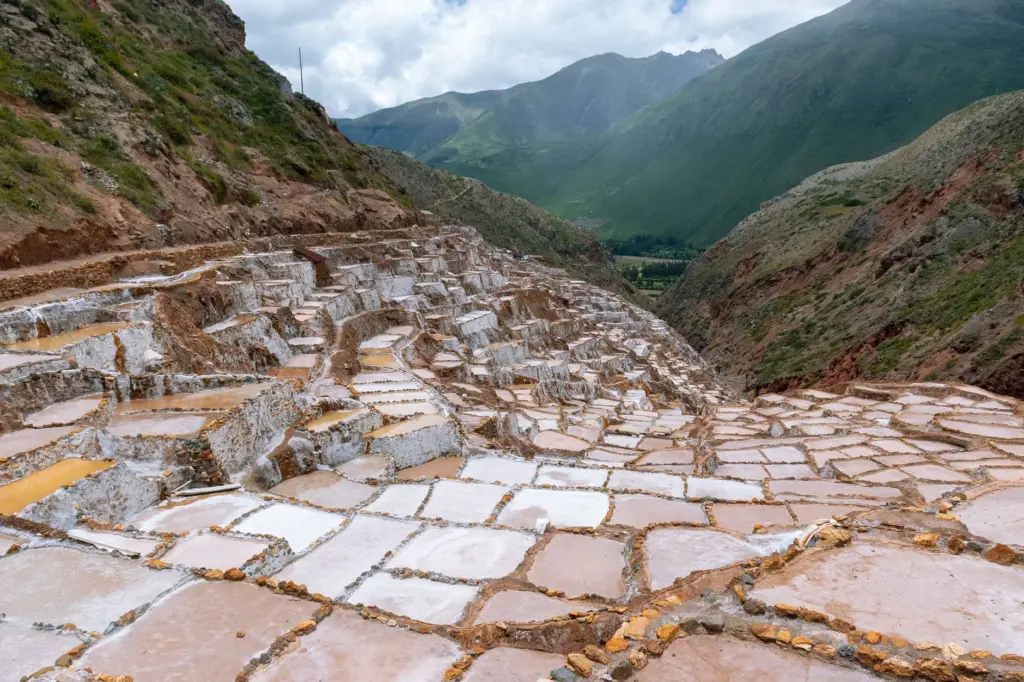
The salt pans at Maras make a visual counterpoint to Moray’s rings: rows of shallow rectangular basins stepping down a slope instead of circles sunk into the ground. Together the two sites show very different uses of the valley’s hillsides.
Frequently asked questions
How late can I stay at the Pisac ruins?
The complex closes around 5:00 PM, so start the walk or taxi ride up early enough to cover the ruins and still make it back down before closing.
Should I book Machu Picchu tickets before I plan the valley?
Yes. Machu Picchu train and entrance tickets are limited, so it is best to plan early and build your valley days around the tickets you secure.
How cold do dry-season nights get?
Average nighttime temperatures in the dry season run 2-4°C (35.6-39.2°F), which is a big drop from daytime highs. Pack warm layers for evenings even when the days feel mild.
How early should I arrive for the train at Ollantaytambo?
Arrive at the station at least 30 minutes before departure.