Arriving with a short stay and a long list? The best things to do in Cusco for a quick visit are the Plaza de Armas, Sacsayhuamán and San Pedro Market, ordered gently because the altitude sets your pace.
Cusco belongs on any shortlist of the best adventure travel destinations, but a short visit only works if the itinerary respects the city’s height. The sections below take the most common planning assumptions in turn and replace each with a more workable choice.
Altitude and the slow first day
The assumption that you can start sightseeing at full speed is the one most likely to cost you a day. Cusco sits at 3,400 metres above sea level, and the same guide notes that it often takes a day or two to adjust to the shallow breathing. A separate Cusco guide goes further: it is typically recommended to give yourself a few days to acclimatize before demanding activity. For a short stay, that means the plan should be gentle first and ambitious later, never the other way round.
- Choose your route in with care. A direct Lima-Cusco flight can make you more prone to altitude sickness after arrival, so if you fly in directly, treat the first day as a rest day rather than a sightseeing day.
- Consider coca leaves. One Cusco itinerary suggests you can chew coca leaves on day one to help with acclimation. Treat this as an optional local practice, not a guarantee.
- Speak to a doctor before you go. Guidance for high-altitude Cusco is to consult your doctor prior to travel for recommendations, which matters most if you have heart, lung or other health conditions.
The table sets three common assumptions against a plan that fits the altitude.
| Common assumption | What works better | Planning use |
|---|---|---|
| Start climbing and exploring straight away | Adjusting often takes a day or two; a few days is typical before demanding activity | Keep the first day to flat, central sights and save hikes for later |
| A direct flight is the fastest, best way in | A direct Lima-Cusco flight can make altitude sickness more likely after arrival | If you fly direct, make the first day lighter still |
| Day trips fit inside the city days | Plan at least 2-3 days in Cusco itself and add day trips as additional days | Budget the city and the surrounding valleys separately |
The altitude timings come from a Cusco sightseeing guide, and the flight and stay-length advice from a high-altitude Cusco travel guide.
If you can stretch the trip, another guide puts a visit that includes acclimatization and the surrounding area at 4-6 days. With a shorter window, trim the day trips rather than rushing the city.
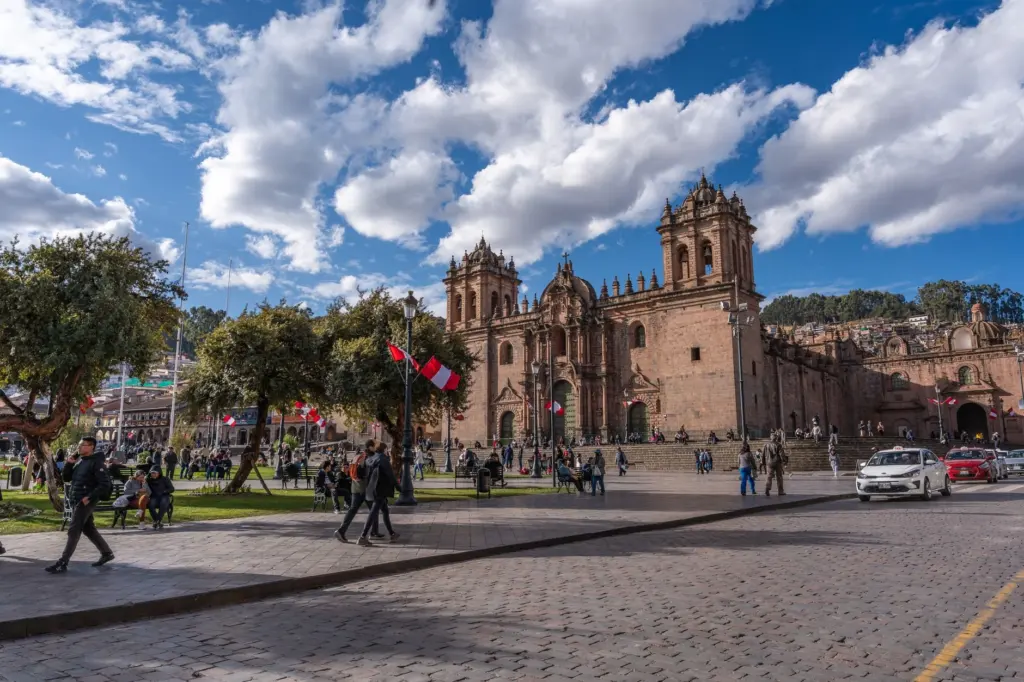
The historic core around the Plaza de Armas
The Plaza de Armas is the right place to spend your first easy hours, because it sits at the centre of Cusco and puts the main sights within reach. The same guide lists the Plaza de Armas, the Cathedral, San Pedro Market, San Blas, viewpoints and museums as the top in-city attractions, which gives you a ready-made shortlist.
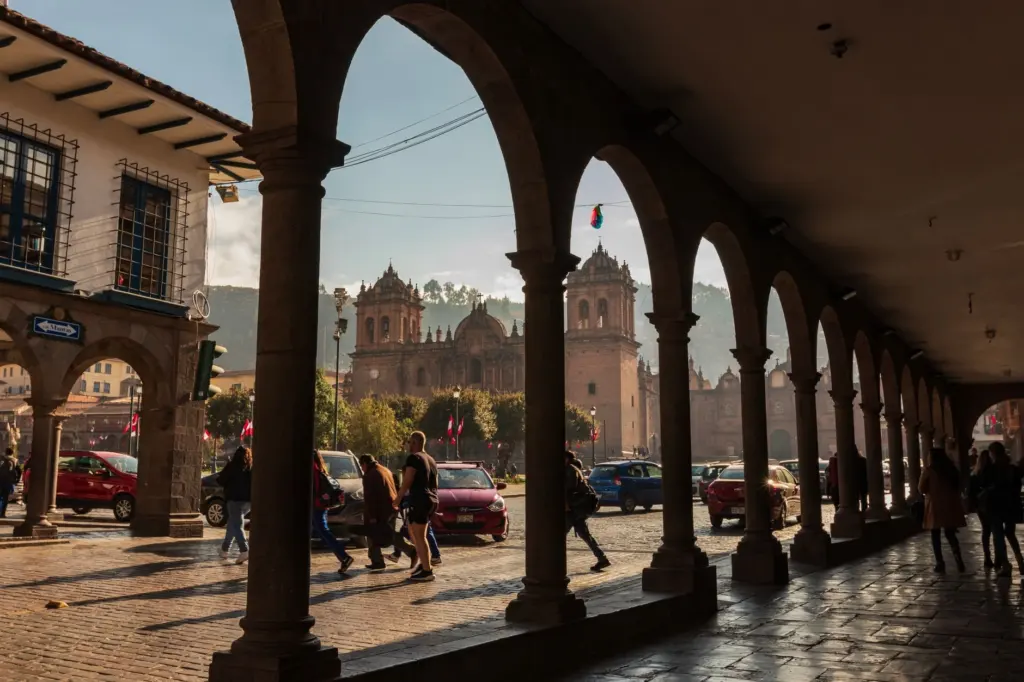
Do not assume everything needs a separate payment. A standard ticket to enter the cathedral or the Religious Circuit covers either choice, so one purchase is enough. Sights are also grouped into circuits on the Cusco Tourist Ticket. Before paying for individual entries, check whether a circuit matches the sights on your list.
San Blas and the city’s viewpoints suit the same slow pace. They reward wandering rather than a fixed schedule, which makes them good fillers around a rest stop.
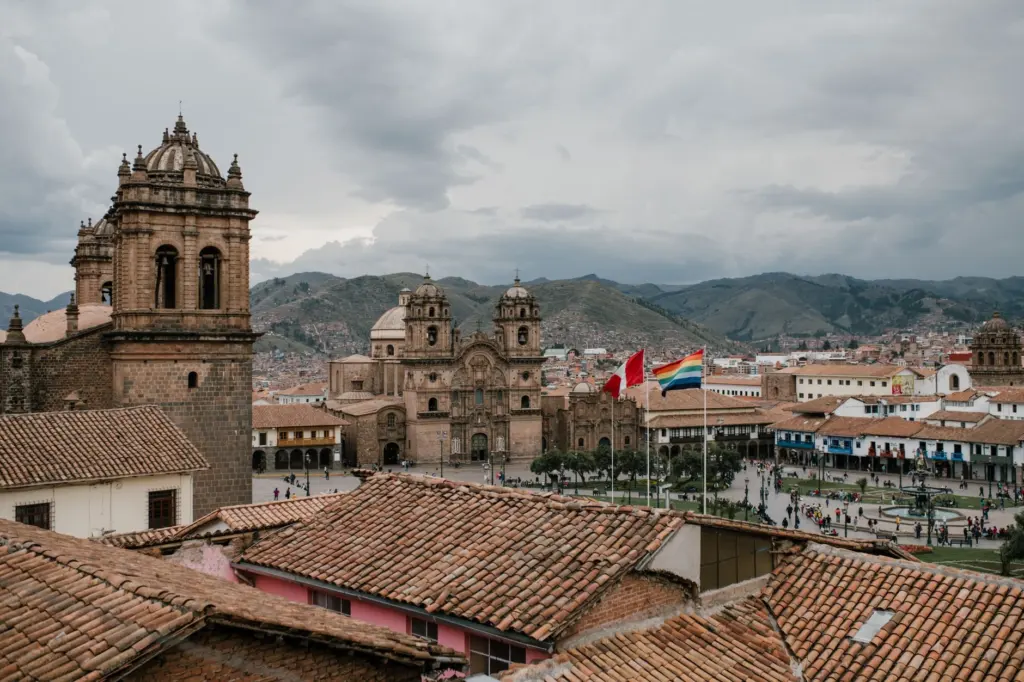
Sacsayhuamán: save the fortress for later
Sacsayhuamán is a former Incan citadel with stone walls so giant that they are the main reason to visit. It once served as a fortress for the city of Cusco, so expect an open ruin to explore on foot rather than a single building to tick off.
That is why it belongs on the second day or later, not on arrival. A site you walk around at length is a poor first test for lungs that have not adjusted yet. If you feel the altitude, swap it with a museum or a market and come back when your breathing has settled.
San Pedro Market for low-effort time
San Pedro Market suits the slow first day because entrance is free and it is open from 9:00 to 18:00. That makes it the most flexible stop in the city: you can drop in for a short time, leave when you tire and return the next day if you want to.
Treat it as a place to look at local produce and eat rather than a checklist item. Because it costs nothing to enter, it also balances out the paid entries at the cathedral and museums.
Day trips worth the extra days
Of the day trips, the Sacred Valley is the one most guides treat as essential. One recommends at least a day trip from Cusco to the Sacred Valley. Another advises adding such trips as additional days rather than fitting them into the city days. The practical reading is simple: the Sacred Valley earns its own day, and it is the better choice if you can only add one.
- Sacred Valley. Best for a first excursion, since it is the trip most often recommended and does not depend on a long climb.
- Rainbow Mountain. The journey from Cusco takes three hours, and the hike can be strenuous, gaining roughly 1,000 feet (300 metres). It suits travellers who have already adjusted to the altitude, not those on their first day or two.
If you have only a short stay, choose one trip, not two. A long drive combined with a steep climb is exactly the kind of day that altitude makes harder.
Best months to go
The dry season is the safest bet. One guide says the dry season, May to September, is the best time to visit. Another describes a wet season from November to April and a dry season from May to October. The two overlap from May to September, so those months give the most reliable window. The edges of the season are less certain, so check the forecast closer to your dates if you travel in April or October.
A short-stay plan built around altitude
The plan below follows the logic above: low effort first, ruins and day trips after adjustment.
- First day: arrive and stay central. Rest, then spend the afternoon around the Plaza de Armas and at San Pedro Market while it is open. Consider the coca leaves and the doctor’s advice before you travel.
- Second day: the cathedral and Sacsayhuamán. Visit the Cathedral or the Religious Circuit, add a museum or San Blas, and head for Sacsayhuamán only if you feel well.
- Extra days: the valleys. Add the Sacred Valley as its own day, and keep Rainbow Mountain for last.
If you are weighing Cusco against a very different style of trip, the Iceland Ring Road Itinerary: The Essential 7‑Day Road Trip Plan For 2026 shows how a driving route is paced. And if high altitude is what interests you most, Where Is Kilimanjaro Located? Your Essential Guide To Africa’s Highest Peak (2026) covers another high-altitude destination.
Frequently asked questions
| Question | Answer |
|---|---|
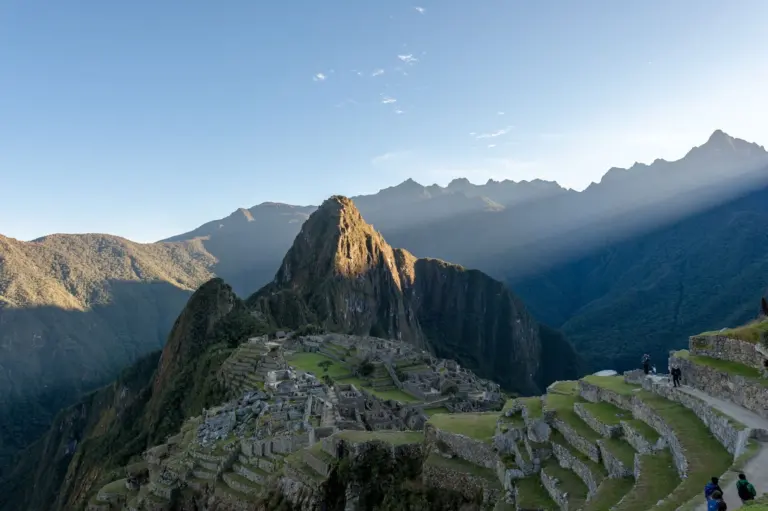
| Can I add Machu Picchu to a short Cusco stay? | Only as a long extra day. One guide describes a 3.5 hour bimodal (bus and train) route from Cusco to Aguas Calientes, so treat it as an extra day, not something to squeeze between city sights. |
| Should I book an organized tour for the Sacred Valley? | The same guide says an organized tour is the best option for Sacred Valley trips, which is a sensible default if you want to avoid arranging transport between sites yourself. |
| How much does the Inca Museum cost? | One guide lists admission at PEN 20 (USD 5.30). |
| Is the rainy season a bad time to visit? | It means more rain, not a closed city. The same guide says the rainy season, November to March, brings frequent showers, so pack for wet weather and keep your plans flexible if you travel then. |